By Lily Donahue | 12 May 2026

Summary
Moscow faced an unprecedented mobile internet blackout in March, with new restrictions requiring Russian companies to block VPN users starting 15 April.
The Kremlin's push to block Telegram likely seeks to funnel users towards the state-controlled “Max”.
Internet restrictions will disproportionately burden civilian businesses and concentrate foreign-based news and information access among younger, urban elites in Moscow and St. Petersburg.
Context
Moscow, Russia’s largest and most liberal-minded city, experienced a three-week mobile internet blackout in March, and, starting in April, will have to contend with a further block on Internet access. Though internet outages are not infrequent in Russia, they so far have not touched the capital: for a city in which over 50% of internet traffic comes from mobile sources, this was unprecedented.
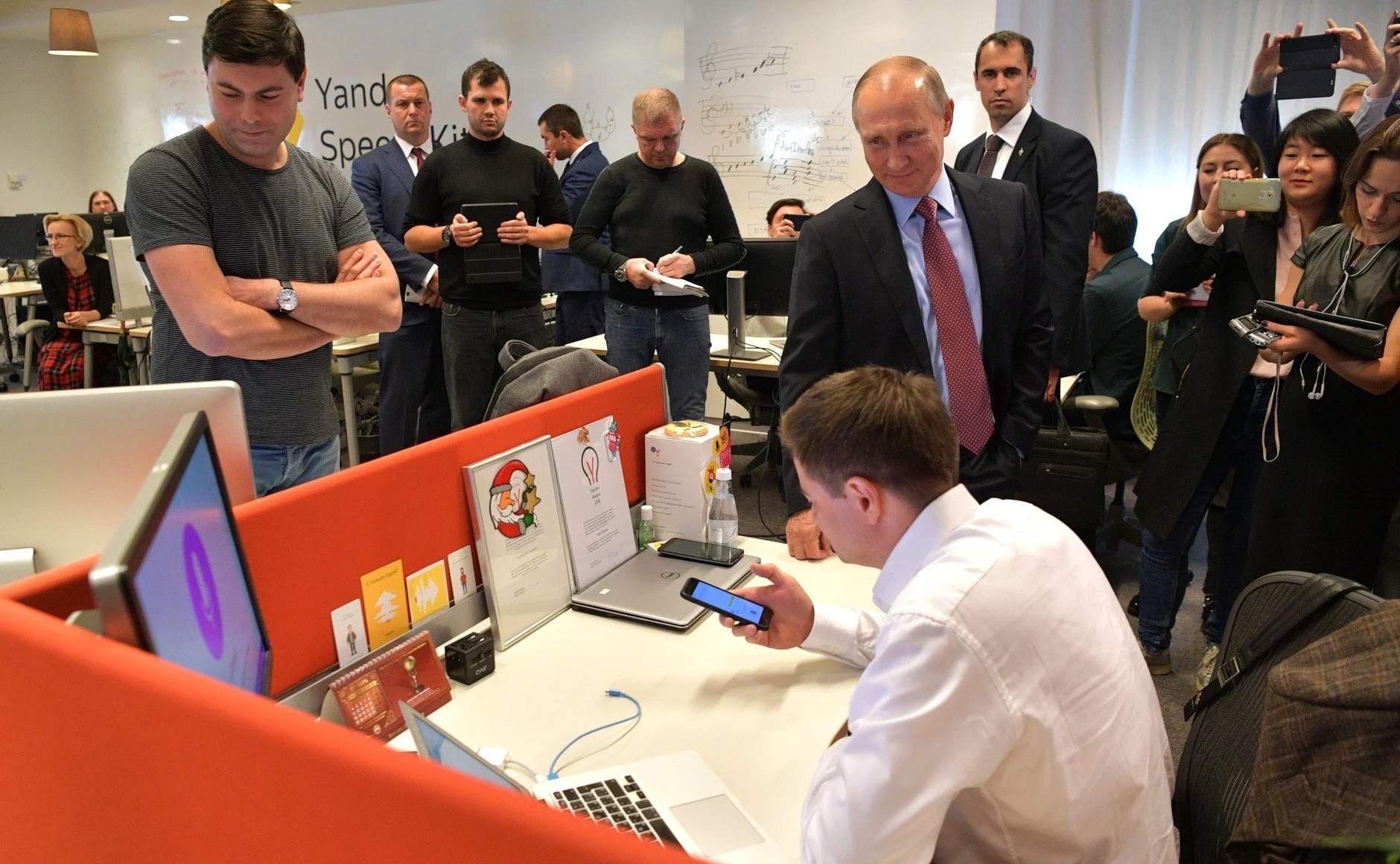
Alongside the mobile internet shutdowns come VPN difficulties. Starting 15 April, Russian companies will be expected to restrict access to users who are using Virtual Private Networks (VPNs). The turnaround was quick with the Ministry of Digital Development, Communications and Mass Media announcing this on 30 March to a meeting attended by around 20 of Russia’s largest companies, including Yandex (Russian Google) and VKontakte (Russian Facebook). Although companies are expected to independently sniff out VPNs, the state is reportedly providing a list of specific VPN IP addresses that are deemed “non-compliant” with Russian law. If a company continues to allow VPN access, it will lose both IT accreditation and will be removed from the whitelist, the Kremlin’s list of approved websites able to function during a blackout. Some apps, including several banking platforms, have proven exceedingly adept by adopting methods such as screen touch monitoring, meaning that they can identify users based on tap pressure, without the need for traditional login.
The new restrictions also target users both inside and outside Russia. There will be a monthly limit of 15 gigabytes of usage of international traffic; exceeding this will cost around 150 rubles (1.95 USD) per gigabyte. Notably, estimates place the average Russian usage of international gigabytes at 10, making the 15 limit an odd, likely trial choice. Further, adding money to your Apple account from your phone will also be impossible, which will make paying for VPNs more difficult. Some companies, like Telegram, tried to preempt this by offering long-term subscriptions.
For its part, Telegram has been fighting an uphill battle to stay alive in Russia for months. The most popular messaging app in Russia, Telegram, has been on the Kremlin’s blacklist for months, with an expected block date in mid-April. While Maksut Shadayev, the Ministry of Digital Development, Communications and Mass Media, clarified that Telegram was not going to be blocked on the front lines - where it is used as an active means of communication for soldiers - Putin has, however, publicly floated the idea that non-governmental communication platforms pose dangers to the military.
Implications
These measures are an effort to target Telegram; the Kremlin hopes that blocking the popular app will push the public towards the state-controlled application, “Max”. Telegram has served both as a hindrance and as help to Moscow. Formerly an app which saw small pockets of political dissidence - under the Kremlin’s purview - it quickly became a space which saw increased pro-Kremlin, pro-war news. Even critical channels tended to exist within a space that was - even if it questioned tactics - broadly supportive of the war in Ukraine. It appears likely, however, that such managed dissent has outplayed its allowance. The speed with which news travels on Telegram has meant strategic military failures were unintentionally announced on the app before they were acknowledged by the Kremlin. Russia’s managed pluralism - where Moscow allows supervised dissent - is no longer deemed so appropriate in war.
At the time of writing, three VPNs seem stable (Blanc, Duress and Red Shield). It should be noted that the website tracking the workability of these VPNs has also been banned.
Kremlin.ru/Wikimedia
Forecast
Short-term (Now - 3 months)
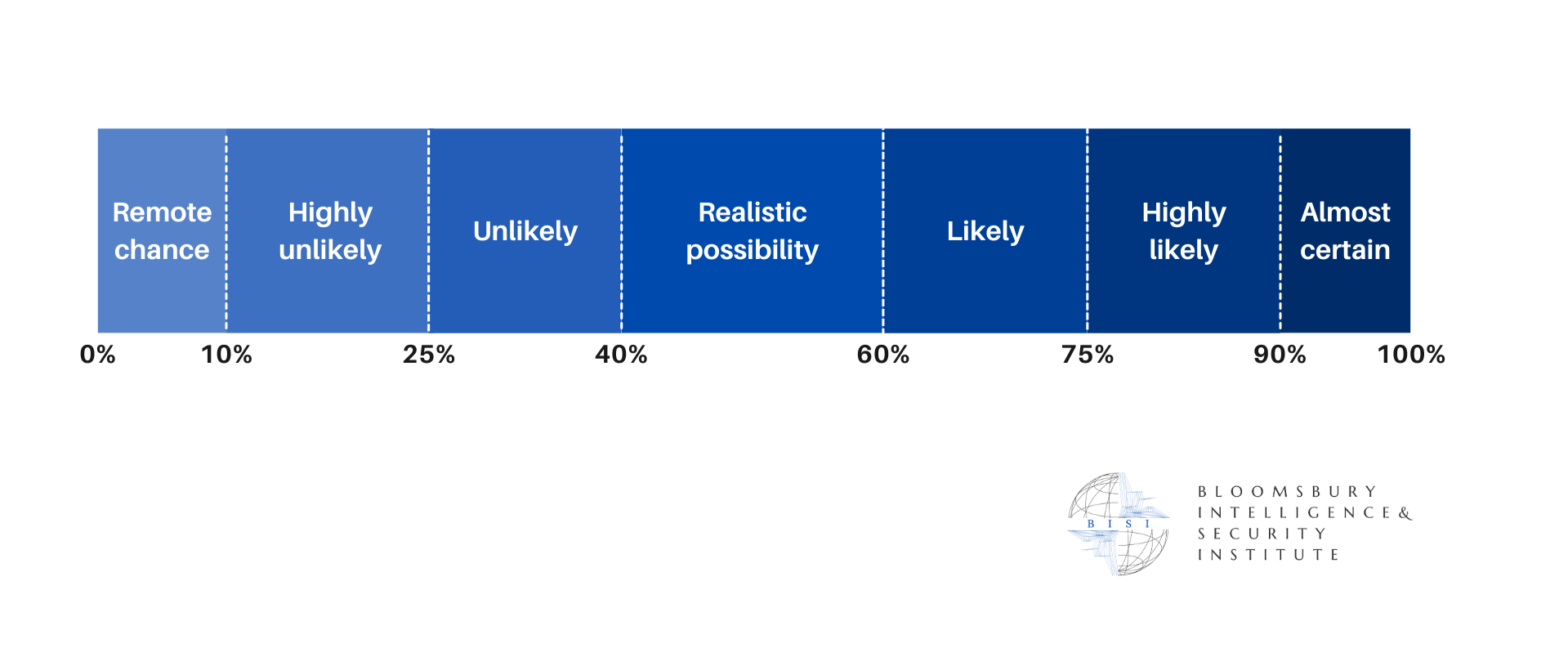
Though “corporate VPNS” for business use are allowed, there is no mechanism for the government to distinguish between sanctioned, corporate VPN use and individual, disallowed VPN use. This is highly likely to lead to blocking of corporate VPNS, which in turn will lead to business downturns.
It is likely that Russia’s civilian business sector, already languishing as the government fixates on the war economy, will be further burdened, with online cinemas already spooked and smaller and medium-sized businesses reporting losses from internet shortages (estimated, in early March alone, at3-5b rubles (38-64b USD)).
Some youth-oriented protest groups have already sprouted (the most well-known is Scarlet Swan). These are highly unlikely to have any political sway or much longevity (Scarlet Swan is already suspected to have ties to, or have been infiltrated by, the security services). Russia’s population remains incredibly depoliticised, and though internet crackdowns are unpopular across the board, there is no expectation that this would lead to significant protest.
Medium-term (3 - 12 months)
It is likely that, on average, people willing to jump through the hoops of VPN access and multiple routers will be younger, and possible city dwellers. Access to outside information will therefore increasingly become something reserved for Russia’s elite (those who live in Moscow and St. Petersburg).