By Max Brockdorff | 14 July 2026

Summary
Cuban President Miguel Díaz-Canel announced major economic reforms on 12 June 2026. The reforms were passed by the Cuban Parliament on 19 June and are intended to relieve the current economic and humanitarian crisis.
The reforms came amidst pressure by United States (US) President Donald Trump, who declared Cuba a threat to US national security on 29 January 2026. That pressure includes the implementation of tariffs, sanctions, a continued oil blockade and repeated threats to implement regime change.
Cuban economic reforms are clearly designed to appease the US, as they include easing restrictions on foreign direct investment. It is uncertain whether these measures will ease US pressure.
Context
The Cuban economic reforms are the largest since the revolution of 1959, and emulate the China / Vietnam model of economic liberalisation paired with continued political control by the ruling communist Party. Measures include turning state-owned enterprises into joint-stock companies, allowing for private investment. This investment will be particularly encouraged in the energy sector. Restrictions on the size of businesses are set to be lifted, alongside the introduction of private banks. The reforms would also allow for increased foreign direct investment from Cubans abroad.
The reforms occur amidst a major economic and humanitarian crisis for Cuba. Energy shortages are a major issue due to the US energy embargo, with the state energy company able to provide only a few hours of energy per day. The decline of the tourism sector due to COVID, and hyperinflation of up to 700% in the post-pandemic period have significantly damaged the Cuban economy.
Such economic pressure has been exacerbated by significant diplomatic pressure from the US. The US has sustained an economic embargo on Cuba since the 1962 Cuban Missile Crisis, and tensions have risen significantly since President Trump retook office. President Trump declared Cuba a threat to US national security in January 2026, and intensified the US sanctions regime targeting Cuba and its partners with Executive Order 14404 on 1 May 2026. The US has also targeted members of the Cuban leadership; it indicted Raul Castro over his alleged role in the downing of two humanitarian planes in 1996. President Trump has made repeated references to regime change in Cuba through direct military action. Given U.S. military actionS against Venezuela and Iran, such threats represent a major challenge to the Cuban regime. The Trump Administration’s response to the reform announcement has been muted.
Implications
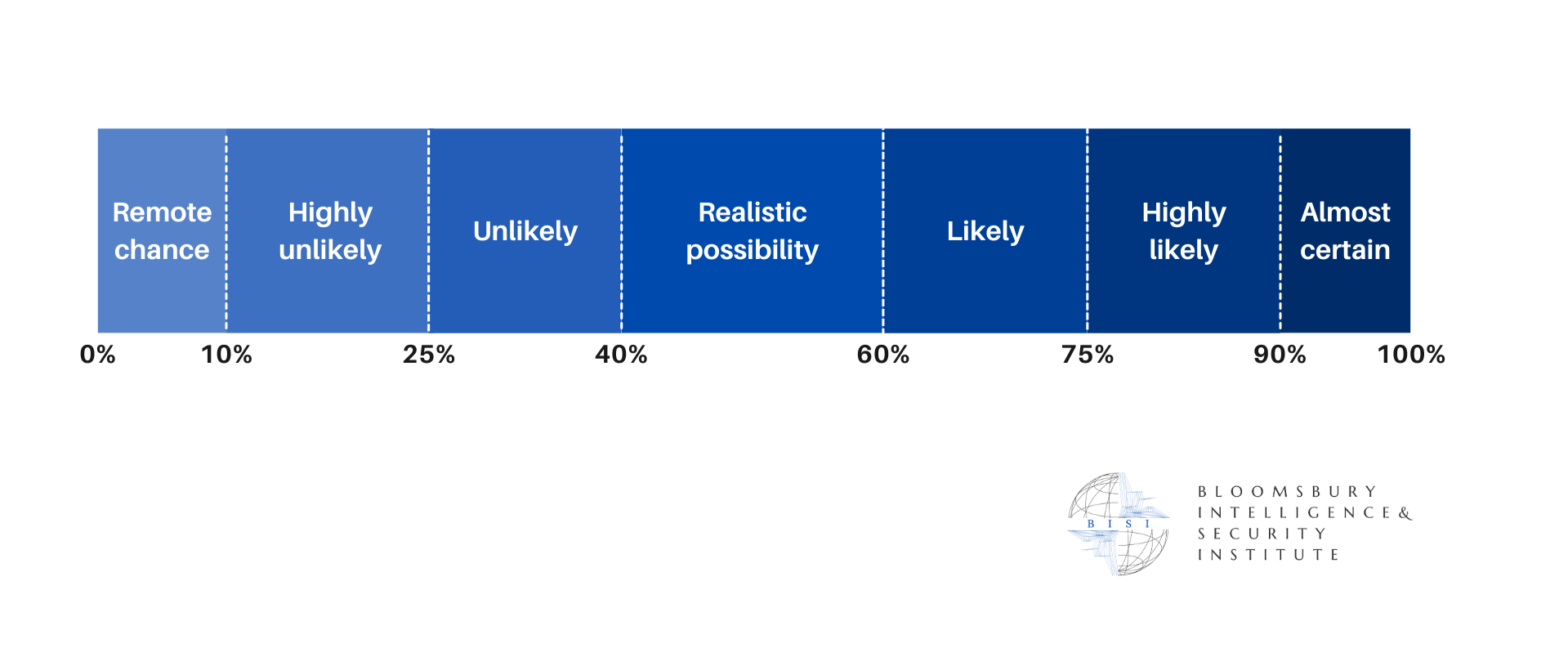
Whether these measures will deter more pressure from the US is uncertain. Prospects for the implementation of economic liberalisation are mixed, with some sceptical analysts highlighting previous failed Cuban reform packages. Yet the expansive nature of the reforms, changed leadership, and current diplomatic and economic pressures make them likely to be enacted. Their timing suggests they are an appeasement response to current US diplomatic and economic pressures. Whether they will be as expansive as proposed is uncertain, but measures intended to appease the US the most, like allowing foreign direct investment, are highly likely to materialise tangibly.
Use of US military forces to enact regime change in Cuba is unlikely. The costs of the Iran War, both to the US government (an estimated USD 132b) and to the U.S. people, who are facing higher energy and food prices, are likely to deter further military action by the Trump administration.
Unlike Venezuela, Cuba lacks a strong opposition movement or favourable actors in government that could produce a pro-US regime, further deterring intervention. Furthermore, the economic motivations of the Venezuelan intervention could be addressed by the proposed reform package, which would partially open the Cuban economy to US investors. Regime change is therefore highly unlikely.
Whether the reforms will ease tensions between the US and Cuba is also uncertain. The muted response from the Trump Administration, and historic enmity between the two states, make a significant thawing in relations highly unlikely. Cuba’s strategic partnerships with Russia and China further contribute to continued tensions. Economic liberalisation, however, may lead to the establishment of a pragmatic relationship between the two, especially if the US is a significant beneficiary of access to Cuban industries and markets. Political tensions are almost certain to remain, but economic links may be able to ensure these do not amount to direct conflict.
Forecast
Short-term (Now - 3 months)
Direct military action by the US to force regime change is unlikely, due to Cuba’s internal conditions and the costs of the recent Iran War.
The US’s stance towards Cuba is unlikely to significantly alter.
Medium-term (3 - 12 months)
Economic liberalisation reforms intended to appease the US are highly likely to be enacted, including allowing increased foreign direct investment. The extent of these reforms is uncertain, and any that could weaken the position of the Cuban Communist Party are unlikely to be fully realised.
The US is unlikely to significantly alter its sanctions regime against Cuba.
Long-term (>1 year)
Tensions between the US and Cuba are likely to ease should the economic reforms be enacted as stated; however, their historical antagonism and Cuba’s alliances make significant improvements unlikely.