Anti-Immigration Protests Incite Targeted Violence in South Africa
By Sarah Ambrose | 29 July 2026
Summary
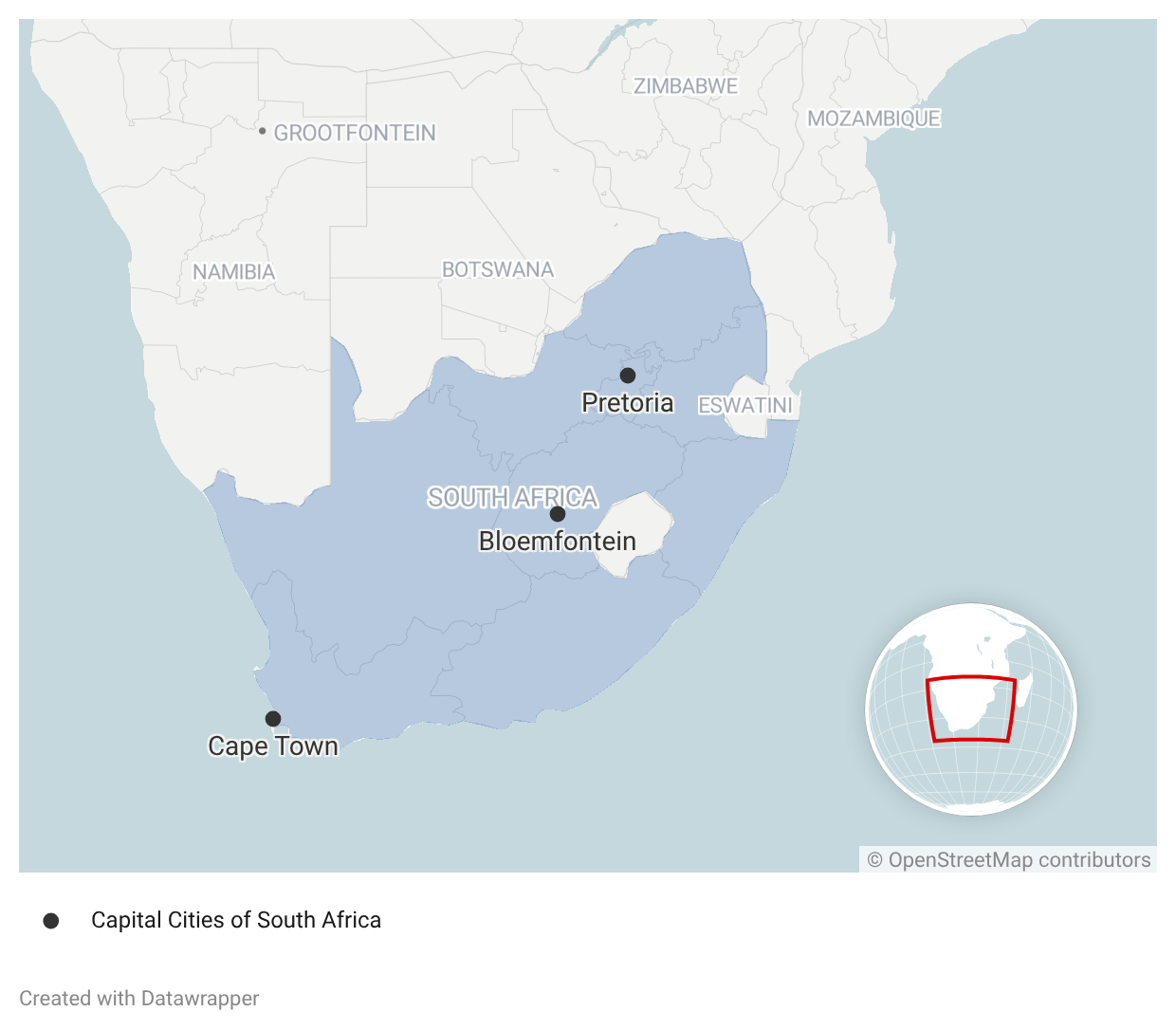
Following weeks of animosity over migration issues, mass protests occurred across South Africa on 30 June demanding the removal of all illegal immigrants.
South Africa faces significant unemployment, with many members of the population blaming migrants from neighbouring countries for their economic hardships.
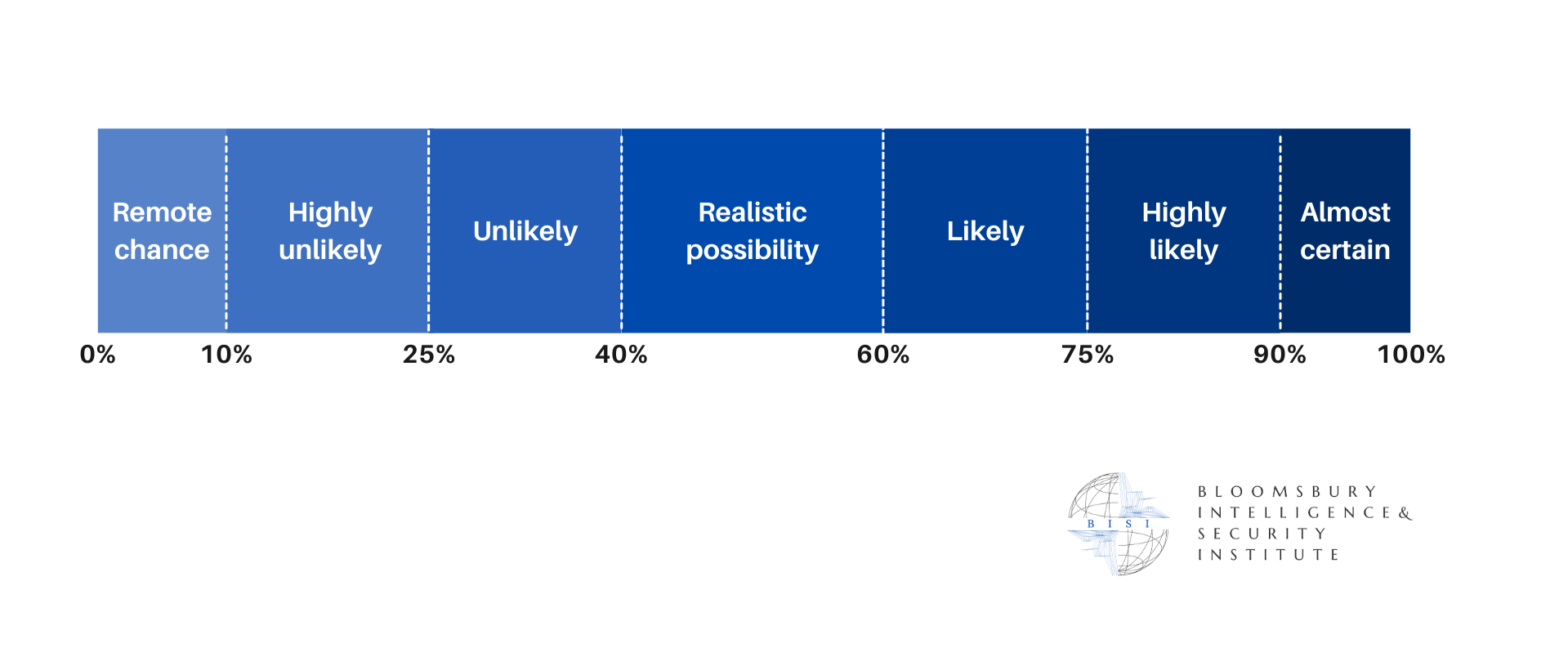
These protests are almost certain to continue in the coming weeks as tensions and frustrations with the government’s immigration policies rise.
Context
On 30 June 2026, anti-migrant protests broke out across South Africa following weeks of rising tension over immigration and refugees. Protest groups set 30 June as an unofficial deadline for undocumented migrants to leave South Africa, threatening violence against those who stay. 120 marches occurred across the country, with 12 turning violent and requiring police intervention. According to government reports, over 900 people were arrested throughout the day; some undocumented migrants were arrested for violating immigration law, while others were protestors arrested for violence, looting, and robbery. The rise in anti-migrant sentiments across South Africa has incited violent attacks against both illegal and legal immigrants, with several foreign nationals murdered in the past few months.
Implications
The current trend of anti-immigration sentiments spiked amid the downturn of South Africa’s economy, with the unemployment rate standing at 32% in the first quarter of 2026. Protesters have expressed frustration over immigrants’ employment, which tends to be favoured by employers due to lower wages and weaker labour protection practices. As economic struggle persists domestically, many South Africans blame migrants and believe an immigration crackdown will repair the economy. According to Amnesty International, migrants are being scapegoated, and South Africa’s unemployment, inequality, and struggling social services stem from the legacy of apartheid that was never fully addressed in the country. With a sole focus on immigration crackdowns, South Africa will likely see continued economic hardship as the underlying causes remain neglected by the government.
The widespread nature of the 30 June protests demonstrates South Africa’s high intolerance for immigration and suggests likely unrest moving forward. According to 2025 surveys, the general public demonstrated record-high hostility towards migrants: 42% said that they would welcome no immigrants into South Africa, 70% viewed immigrants’ economic impact as negative, and 85% said that the government should either cut the number of refugees admitted or stop them altogether. Ahead of the 30 June protests, South African President Cyril Ramaphosa met with protest organisers to request peaceful demonstrations and pledged to hear out concerns over immigration issues. Despite this statement, many protesters maintained disapproval with the government’s handling of the issue. The leader of March and March, one of the main anti-immigration groups, March and March, Jacinta Ngobese-Zuma, said the group would protest every Thursday for the next 6 months to force the government to remove all undocumented migrants from the country. Additionally, vigilantes have been inspired by the protests to target and harass foreigners, frequently stopping them on the street to demand to see their documents or attempting to bar them from accessing social services such as hospitals. With continued hostility towards foreign nationals, South Africa is likely to face worsened diplomatic relations with other African countries, particularly those of repatriated citizens. The African Charter on Human and Peoples’ Rights bans mass expulsions of non-citizens, with some countries now accusing South Africa of violating this charter. Ghana requested that the African Union (AU) open a debate on the violence facing foreign citizens in South Africa. Similarly, Nigeria denounced the treatment of its citizens within South Africa, and Nigerian Foreign Minister Bianca Odumegwu-Ojukwu said that retaliatory actions against South Africa are being considered.
Immigrants fleeing South Africa out of fear of violence have now triggered a new migration crisis across the continent. An estimated 25,000 migrants left South Africa to return to their home countries ahead of the scheduled protests. Anti-immigrant violence often focuses on individuals from Zimbabwe, Mozambique, Malawi, Ghana, Kenya, and Nigeria, with many of these countries now organising repatriation for their citizens fearing violence in South Africa. Malawi, Mozambique, and Zimbabwe are offering buses out of the country; however, they struggle to keep up with the demand. Thousands of migrants are gathering outside of embassies and consulates to request transportation, with many individuals sleeping outside to remain in the queue waiting for buses. Nigeria has begun running repatriation flights to return hundreds of its citizens. However, many refugees and asylum seekers in South Africa are left without a place to return to as their home countries are unsafe. Numerous refugees who have been chased out of their settled communities in South Africa are now camping outside of the Department of Home Affairs in the hopes of government assistance in finding shelter and protection.
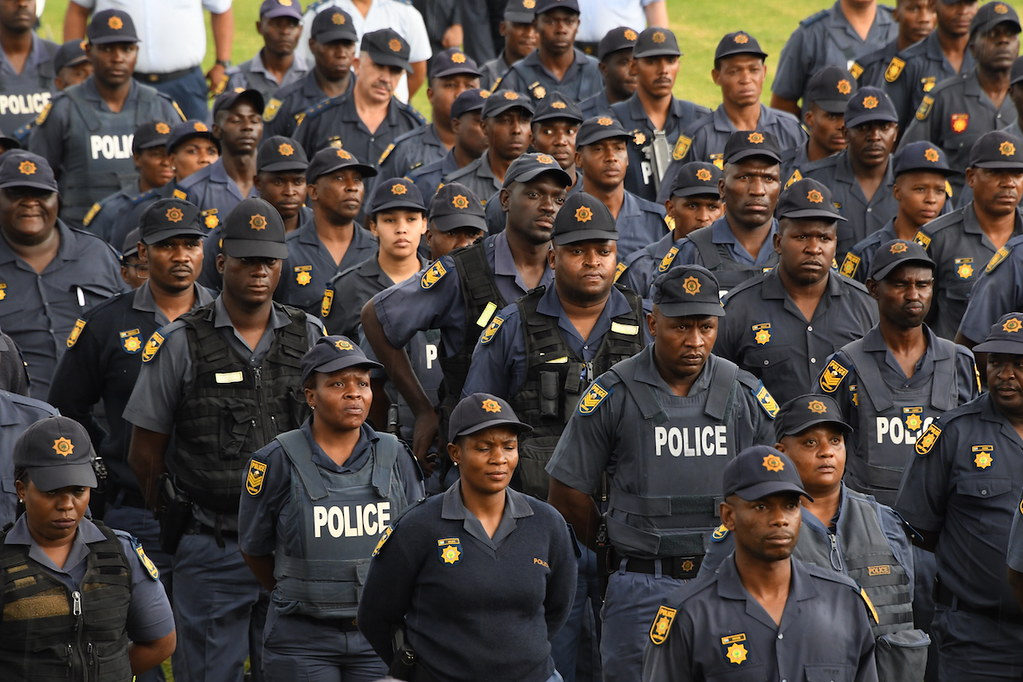
GovernmentZA/Flickr
Forecast
Short-term (Now - 3 months)
It is almost certain that anti-migrant protests will continue across the coming weeks, with persisting threats of violence against foreigners.
Medium-term (3 - 12 months)
It is unlikely that the South African economy will see significant improvement within the next few months if all focus is centred on immigration and not addressing underlying economic issues.
Long-term (>1 year)
There is a realistic possibility of an increased migration and refugee crisis across southern Africa due to the heightened number of individuals fleeing violence in South Africa