By Yuan Yan | 13 July 2026
Summary
After being added to the Pentagon’s Section 1260H list in June 2026 over alleged links to China’s military-civil fusion programmes, Alibaba filed a lawsuit challenging the designation and its resulting commercial and reputational harm.
While the 1260H designation does not automatically impose sanctions, it increases regulatory, financial, and reputational risks for Alibaba and accelerates US-China economic decoupling.
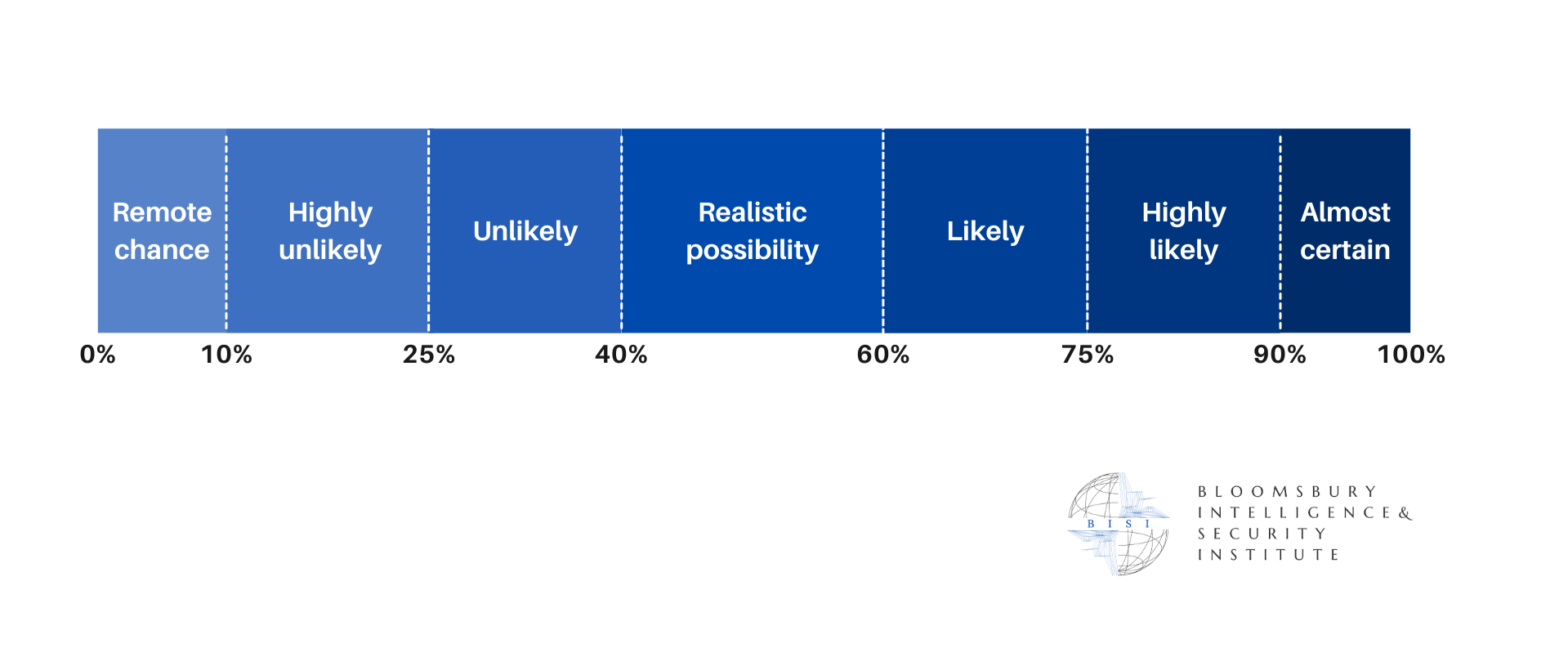
There is a realistic possibility for Alibaba to secure a preliminary injunction, but further Chinese countermeasures, additional corporate lawsuits, and continued deterioration in the US-China business engagement are likely over the coming year and beyond.
Context
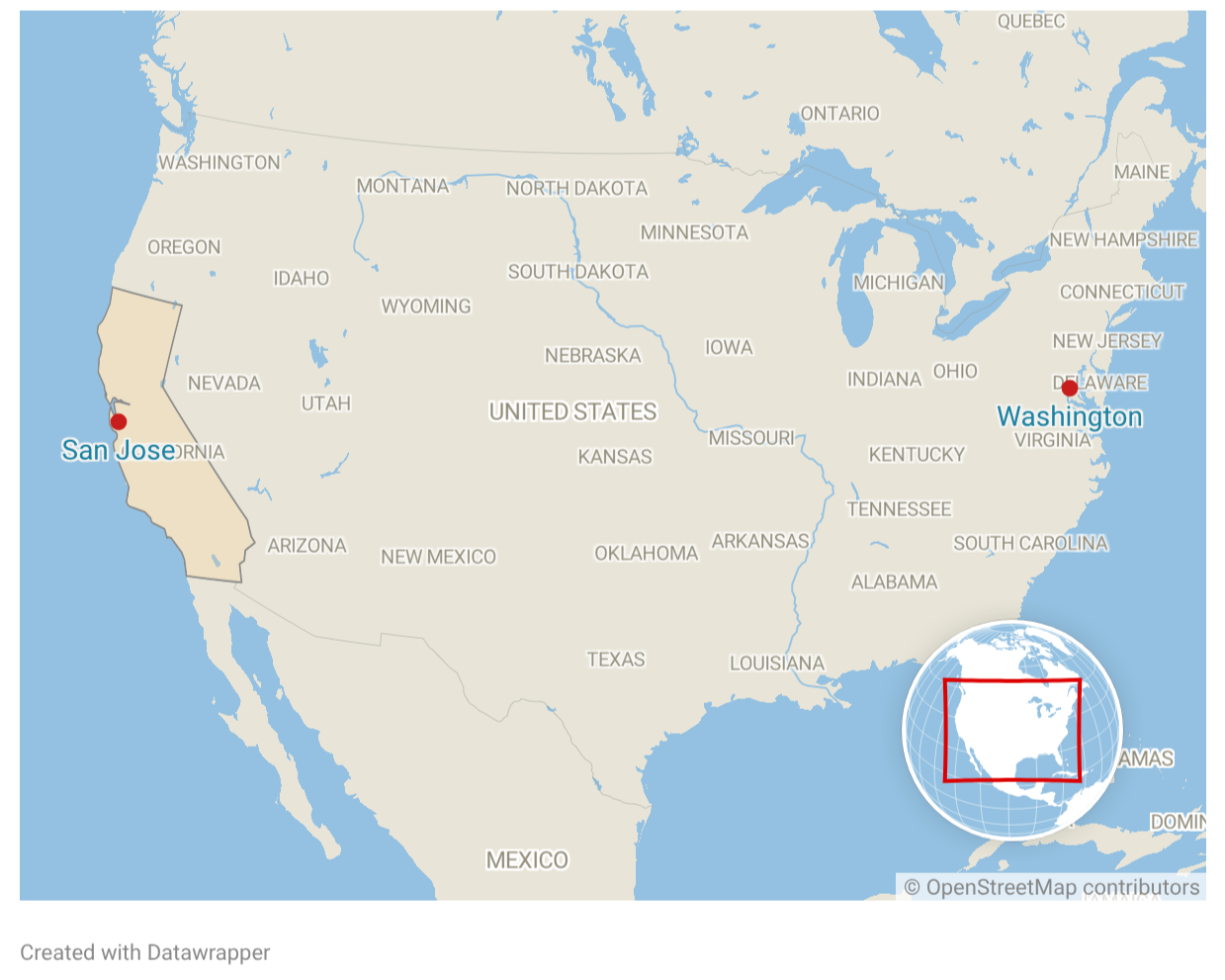
On 8 June 2026, the Pentagon released the latest updated Section 1260H ‘Chinese Military Companies’ list, which includes the e-commerce and technology giant Alibaba Group due to its alleged affiliations with Chinese state entities and military-civil fusion programmes. Two weeks later, Alibaba filed a lawsuit against the Pentagon in a federal district court in San Jose, California, naming Defence Secretary Pete Hegseth as a defendant. The tech company rejected any affiliation with China’s State-owned Assets Supervision and Administration Commission (SASAC) and the Ministry of Industry and Information Technology (MIIT), citing reputational harm and costs to its business partners and lobbying firms triggered by the 1260H listing. It also argued that the Pentagon had violated its First Amendment rights by stripping Alibaba of its ability to speak and petition the government through its chosen representatives. The Pentagon has refused to comment on the ongoing litigation. On 5 July, Alibaba secured a temporary legal reprieve from the court, which ordered the Pentagon not to enforce a lobbying prohibition pending review of the company's constitutional challenge to the statute.
Implications
The 1260H list does not automatically trigger sanctions, but its impact could be far-reaching. The immediate effect is that US defence contracts and lobbying activities related to Alibaba would be prohibited. However, these are not, in fact, major areas of business for the e-commerce giant and therefore are unlikely to result in significant losses.
However, inclusion on the 1260H list could trigger a series of ripple effects. First, it increases the risk of being designated on the Non-SDN Chinese Military-Industrial Complex Companies List (NS-CMIC List) maintained by the Office of Foreign Assets Control, which prohibits US investors from trading the company's securities. Such designations led to the delisting of three Chinese telecommunications companies from the New York Stock Exchange in 2021. For Alibaba – a company that conducted its IPO in the United States – the implications of this prospect are significant.
Second, designation on the Pentagon's 1260H list carries a warning signal, even if the company has not yet been formally added to the Military End User (MEU) List or the Entity List maintained by the Bureau of Industry and Security (BIS) of the Department of Commerce. US tech firms (such as OpenAI and Google, which provides AI services to Alibaba) and financial institutions (such as Lending Club, J.P. Morgan) will likely become more reluctant to engage in transactions with the company due to heightened compliance requirements and the lengthier process of obtaining BIS export licences.
Finally, and perhaps most importantly, the designation may cause reputational damage, even if such damage is intangible. Being placed on the list is likely to raise concerns among potential customers, business partners, and investors about future engagement with the company.
Alibaba’s lawsuit will be costly, and its compliance costs are almost certain to continue rising as the litigation progresses. It is possible that the lawsuit will result in Alibaba’s removal from the 1260H list, which would not be unprecedented. Xiaomi Corporation secured a preliminary injunction and was subsequently removed from the list in 2021. Given its similar positioning as a consumer-focused technology company, Alibaba has strong incentives to challenge the Pentagon’s designation. However, there have also been unsuccessful cases. For example, the 3D LiDAR manufacturer Hesai Group and drone manufacturer DJI Technology have both challenged their designations but remain on the list. Alibaba’s designation came amid heightened US scrutiny of Chinese AI, cloud computing, and digital infrastructure, while Hesai and DJI were designated largely because of concerns over their products' potential military applications.
China has not remained silent in the face of this new development. The Ministry of Commerce has added 10 US companies to its export control list, while the Ministry of Finance has restricted 46 US firms from government procurement, excluding those involved in China-based Sino-US joint ventures. More countermeasures from China are likely to follow in the coming months, leading up to the second meeting between President Xi Jinping and President Donald Trump scheduled for September this year. This pattern of calibrated, tit-for-tat measures is likely to continue as both sides seek to preserve leverage, while buying time to strengthen supply-chain resilience, expand friendshoring arrangements, and reduce strategic dependencies on one another in critical sectors.
Sanctions, regulatory measures, and trade investigations are likely to become the new normal in the recurring cycle of US-China trade negotiations and trade disputes, as both sides seek to gain leverage before returning to the negotiating table and to buy time for friend-shoring initiatives. As this trend continues, bilateral investment between the two countries is likely to cool further, particularly in strategic sectors. The associated costs will also accelerate supply-chain restructuring in Europe and in emerging markets further downstream.
Forecast
Short-term (Now - 3 months)
There is a realistic possibility that the district court in San Jose, California, will grant Alibaba’s request for a preliminary injunction.
Additional lawsuits by Chinese companies are likely to be filed, following the examples of Alibaba and WuXi AppTec (which sued Pentagon on similar grounds on 11 June 2026)
Medium-term (3 - 12 months)
The Chinese Ministry of Commerce and Ministry of Finance are almost certain to introduce further countermeasures restricting US firms in a similar manner.
Compliance costs are almost certain to increase for Chinese companies newly added to the 1260H list, as well as for their partners operating in the United States and international markets.
Long-term (>1 year)
The 1260H list will highly likely be updated again. Some entities will be removed, while more Chinese companies will be added.
Bilateral investment and business engagement between US and Chinese companies in strategic sectors are almost certain to decline, accompanied by further supply-chain restructuring in Europe and emerging markets.