By Max Brockdorff | 23 February 2026
Summary
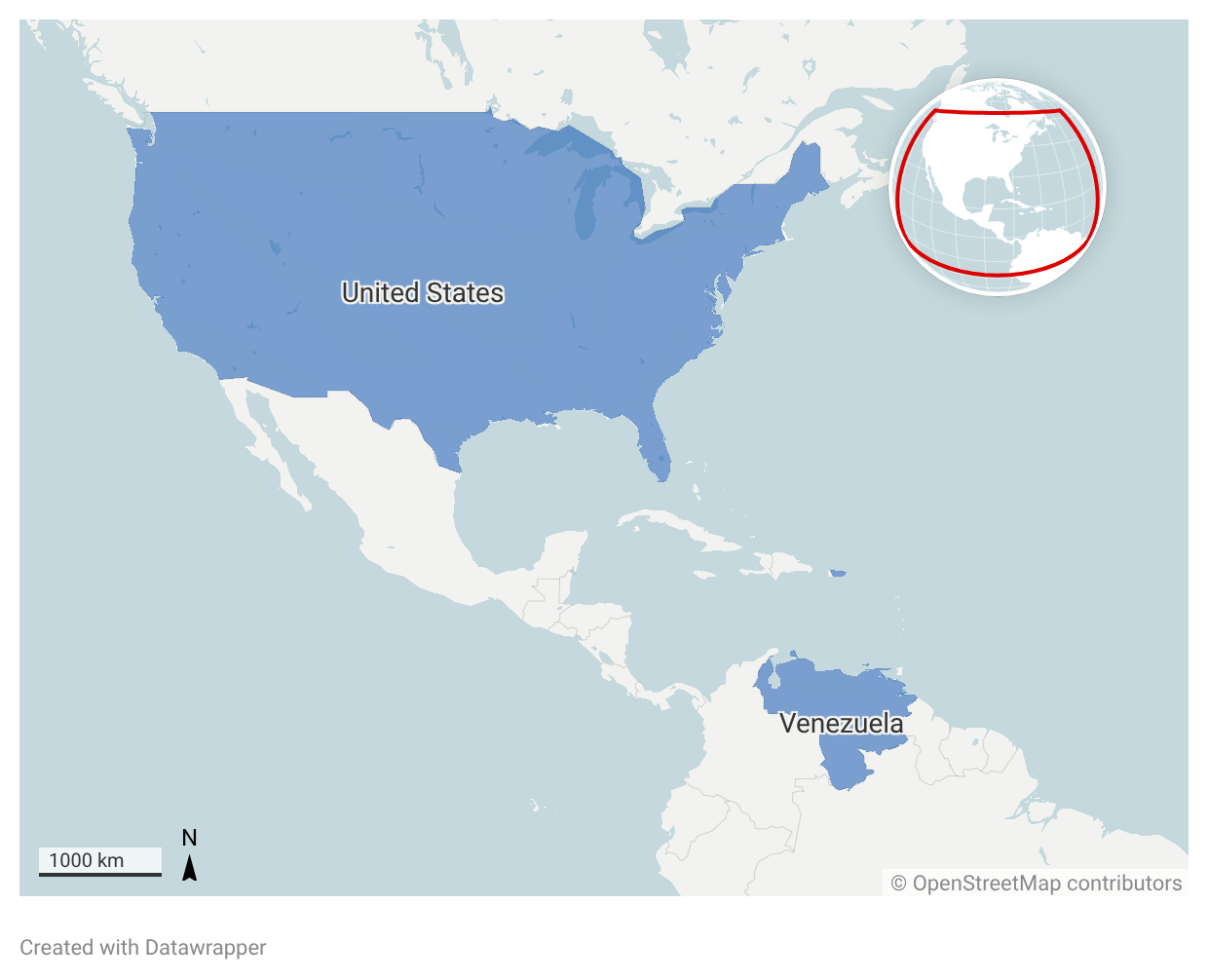
After the removal of Venezuelan President Nicolas Maduro, the interim Venezuelan government now rules under the supervision of the United States (US).
US involvement is economically oriented, focused on reforming Venezuela’s long-neglected oil industry.
Venezuelan political reform is unlikely to be significant, due to US focus on maximising oil revenues.
Context
After the 3 January 2026 raid, the Trump Administration now controls the interim government in Venezuela. While the ostensible motive for the operation was law enforcement, the Trump Administration has been clear with its interest in Venezuela’s oil reserves. The US recently completed paying for its first crude oil order, totalling USD 500m, which is deposited in a Qatari bank account and is released at the US’s discretion, ostensibly to fund state services. The US controls the proceeds of all Venezuelan oil sales and all oil transport channels, simultaneously rolling back sanctions and importing equipment to reverse production decline.
The Venezuelan oil industry has been largely controlled by the state-run Petróleos de Venezuela, S.A (PDVSA), which, after decades of mismanagement, is in poor condition. Despite having 19% of the world’s oil reserves, Venezuela exports only 1% of its oil, and its number of active rigs has fallen from 12 in 2020 to 3 by 2024, with some sections over 50 years old. Rystad Energy estimates it would take an investment of USD 180b to bring crude oil production up to 3 million barrels per day, an amount still four times less than what the US produces now. Venezuela’s interim government is formed of a civic-military alliance headed by Delcy Rodriguez, former Vice-President to Maduro and current President. Rodriguez has taken a two-pronged approach, delivering fiery rhetoric for domestic supporters paired with compliance towards US demands. She is likely to continue the approach to preserve US support to retain regime stability in the short term.
Implications
US oil company investment is likely, due to the size of Venezuelan oil fields, political incentives from the Trump Administration and geopolitical incentives over China.
Though US oil companies have expressed reluctance to invest, citing reservations over the state of the oil industry and political instability, steps are being taken to mitigate these concerns. The interim government has taken steps to reform Venezuela’s oil industry, altering the Hydrocarbons Law and allowing foreign investment. Major oil corporations such as Exxon Mobil and ConocoPhillips which lost out due to Venezuelan nationalisation, and Chevron, which continued to operate in Venezuela, are being encouraged by the Trump administration to invest. US investors owed large amounts in compensation by the Venezuelan government are set to benefit significantly, being the largest award-holders globally. The delayed payoff for investment in Venezuela’s oil industry means that US involvement, economic or political, is likely to be long-term.
Trump has staked significant political capital on the success of his Venezuelan intervention and will be highly likely to retain influence to ensure interests are met. His administration has cited lowering energy prices as a chief motive for intervention, though Trump is perceived to have further political motives from encouraging donors to securing voter support for the upcoming mid-term elections in November.
Strategically, the seizure of Venezuelan oil will be key in Trump’s confrontation with China. China has invested significantly in their Venezuelan allies, with USD 10b owed to them as of 2024, making the US intervention damaging to its interests in the region. The US stated their demands for Rodriguez to expel Chinese diplomats, alongside those from other rivals like Russia and Iran. This is another reason for the likelihood of continued US presence, ensuring any emergent Venezuelan regime and its oil revenues are aligned with the US and not its geopolitical rivals.
The implications for a future Venezuelan government are unclear as of now; imminent democratisation is unlikely. The primacy of US economic interests over political ones means they will back whichever leader can best deliver stability for investment. Rodriguez’s links to the oil and security sectors make her the ideal choice for the short term, further proven by her cooperation. While the US has made demands for elections to be held, as with previous Venezuelan elections, these will likely favour the PSUV. The US lacks domestic will for a full democratisation effort, and Rodriguez’s position relies on maintaining control of Venezuela’s political components. Trump’s ideological support base was opposed to the democratisation efforts of previous administrations, making such an effort improbable in Venezuela. Machado is certainly viewed as a long-term possibility for leadership, but lacks Rodriguez’s domestic network, and should the current interim government continue to comply it is unlikely the US will install her as President.
Eric Kounce TexasRaiser/Wikimedia
Forecast
Short-term (Now - 3 months)
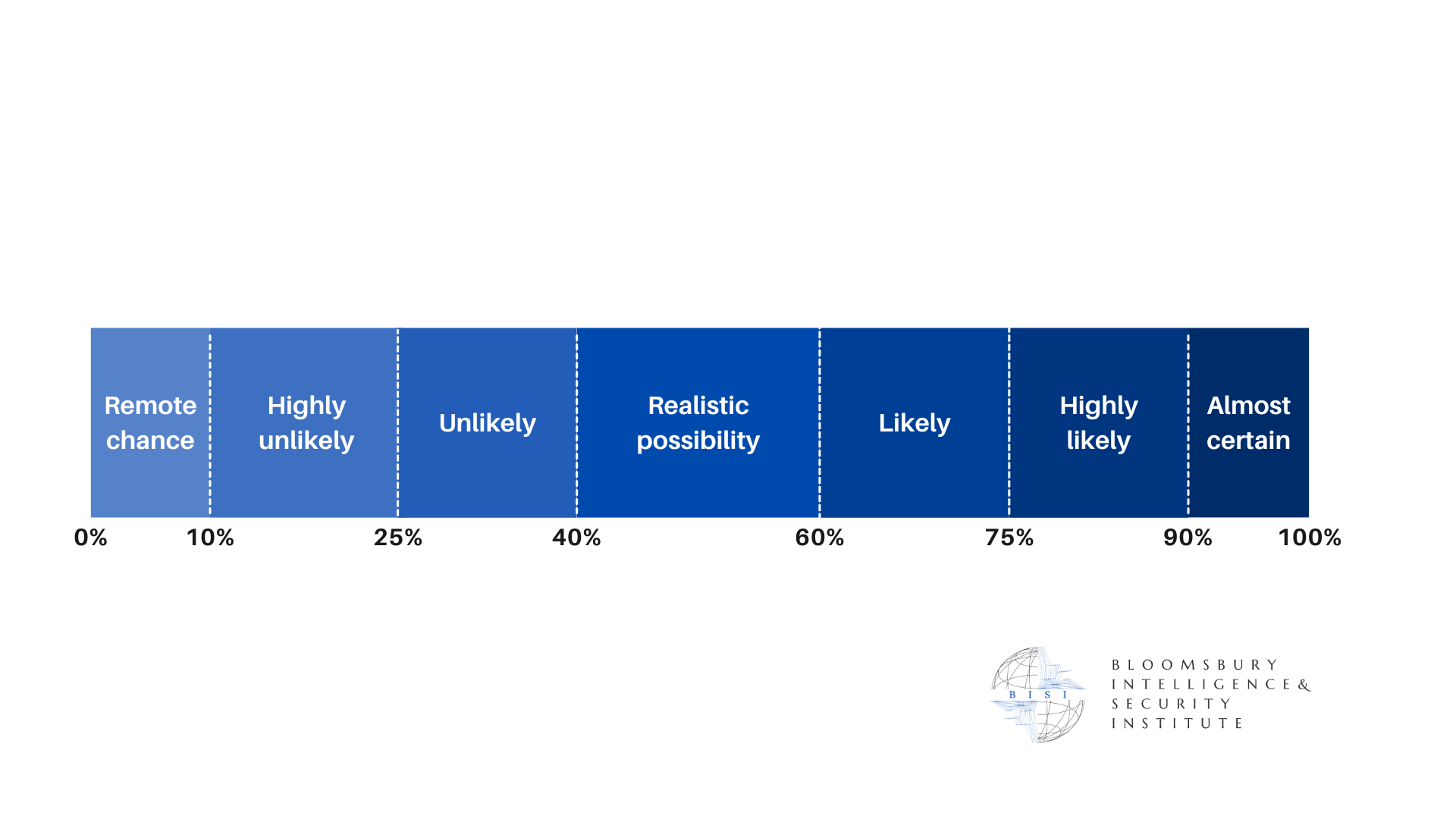
The US is almost certain to remain in control of Venezuelan oil revenues while the interim government establishes itself, allowing US oil companies to increase investment.
Medium-term (3 - 12 months)
Unfree elections are highly likely to occur within this period due to the demands of the US, though will likely return Rodriguez and the United Socialist Party of Venezuela.
Long-term (>1 year)
The US is unlikely to pursue large-scale democratisation, due to lack of domestic political will, interest from President Trump and their primarily economic motives for intervention.
US political influence is likely to continue, due to the long-term nature of economic investment in the Venezuelan oil industry.