By Eloise Grant Goodey | 5 October 2026
Summary
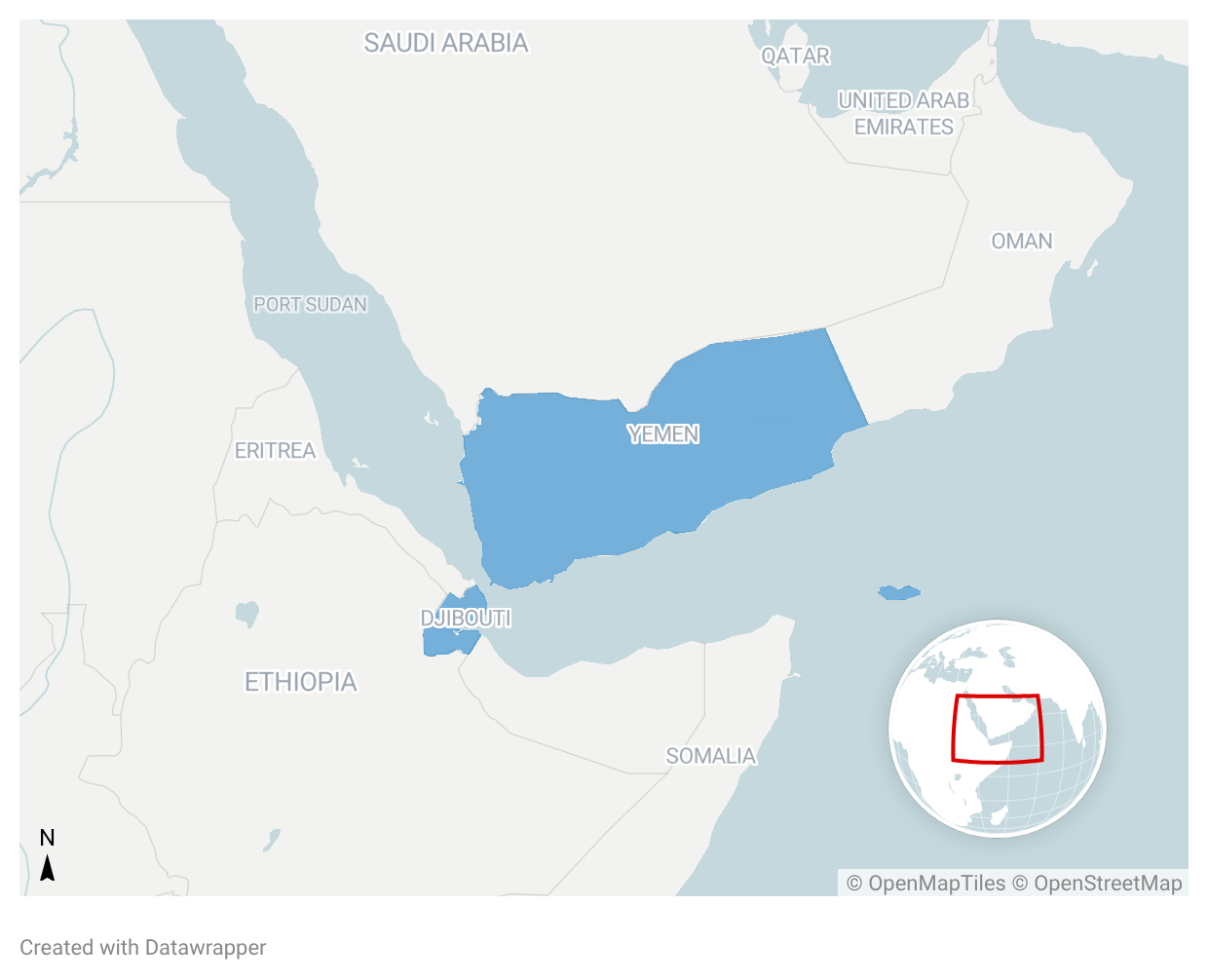
Renewed Houthi attacks on Yemen's west coast have displaced more than 100,000 people and pushed nearly 3,000 Yemenis across the Bab el-Mandeb Strait into Djibouti since mid-September.
Arrivals are straining the response capacity of Djibouti, a small country already hosting 36,000 refugees.
Djibouti's remaining refugee capacity is likely to be exceeded as arrivals approach the 10,000 planning figure, risking a humanitarian crisis.
Context
In early September 2026, Houthi rebels launched a renewed attack on Yemen's west coast, displacing more than 100,000 people. In response, growing numbers of Yemenis are fleeing the country, crossing the Bab el-Mandeb Strait to Djibouti. As of 18 September, Reuters reports nearly 3,000 Yemeni arrivals in Djibouti, most of them vulnerable groups including women, children and the elderly. Assisted by the Djiboutian government, these newest arrivals are joining previous waves of Yemeni refugees already settled in the Markazi refugee camp in the north of the country.
Implications
The increased flow has placed significant pressure on the Djiboutian government's response capacity, with arrivals coming in waves of up to 1,400 within a single 24-hour period. Long proclaimed an “oasis of peace” in a troubled region, Djibouti already hosts over 36,000 refugees and asylum seekers, mainly from Ethiopia and Somalia. But as one of Africa's least populous countries, with just over one million inhabitants, it cannot mobilise support at this scale without external assistance. Furthermore, this crisis comes at a time when shrinking global aid budgets have gradually forced humanitarian agencies, such as UNHCR, to reduce operations and presence in Djibouti. There is a real danger that Djiboutian humanitarian operations will be overwhelmed by this new wave.
From a humanitarian perspective, the arrival of vulnerable groups into spaces ill-equipped to handle them risks a severe hygiene and malnutrition crisis. Markazi camp was designed to host 5,000 refugees, and the Djiboutian government is preparing for 10,000 new arrivals. The camp was already classified IPC Phase 3 ("Serious") in 2025 for acute malnutrition, and water, sanitation, and hygiene (WASH) services in the camp are already under acute strain. Further demand is likely to increase malnutrition rates and deteriorate hygiene and sanitation systems, raising the likelihood of waterborne disease spreading through the camp. Shipping disruption adds to the strain as Houthi control of the Red Sea coastline and the Bab el-Mandeb Strait threatens the routes Djibouti relies on for food and aid deliveries, at a time when demand is rising sharply.
Politically, this new wave tests the durability of Djibouti’s “open-door” refugee policy, long credited with being a key asset in absorbing displacement from neighbouring states’ conflicts. The Djiboutian government has called on the international community for assistance for this new influx. Qatar Charity has been among the first to respond, announcing an initial USD 1m emergency allocation to support Yemeni refugees arriving in Djibouti. Whether Djibouti receives wider external support will determine if this humanitarian policy continues in the future.
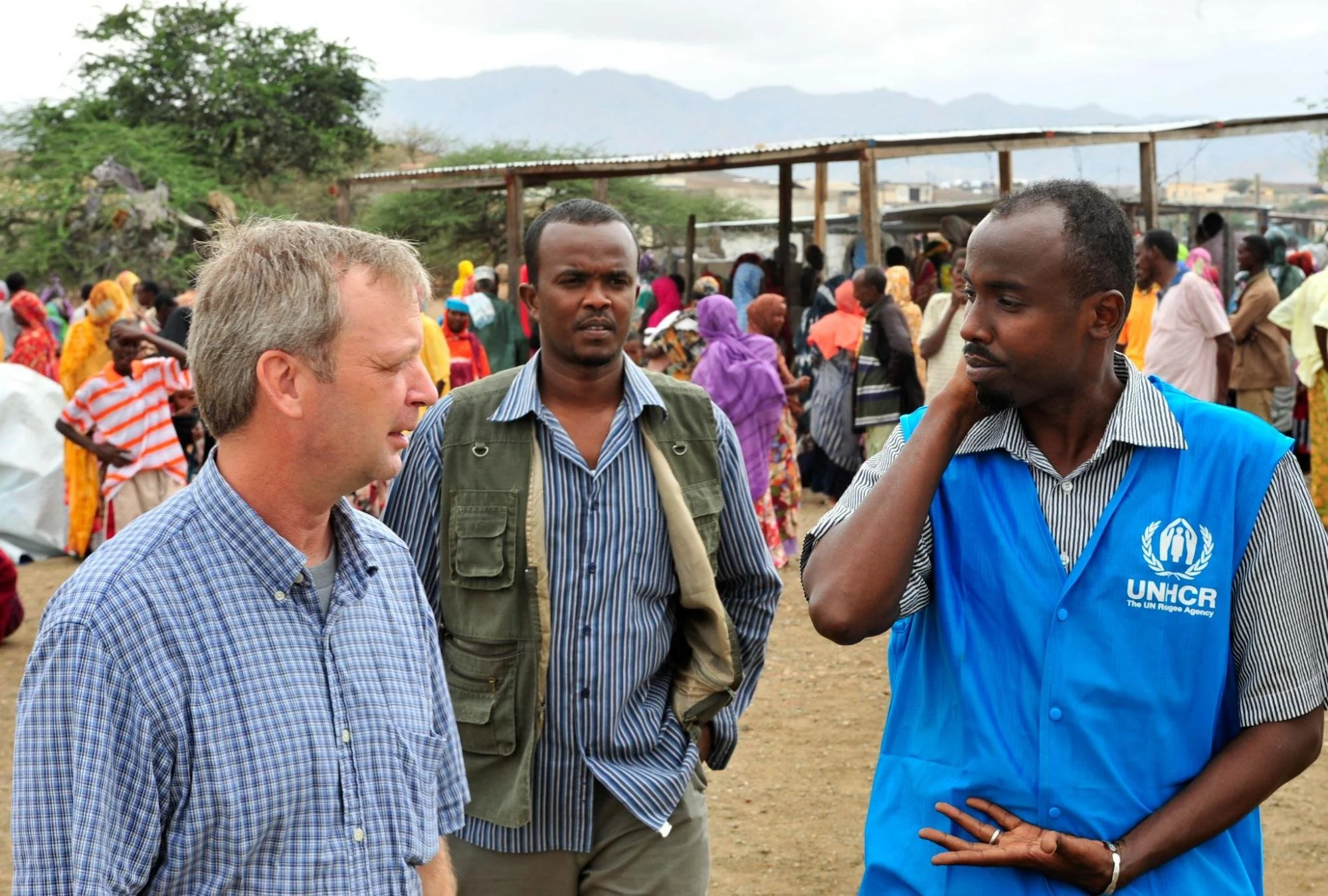
Petty Officer 2nd Class Joshua Bruns/Wikimedia
Forecast
Short-term (Now - 3 months)
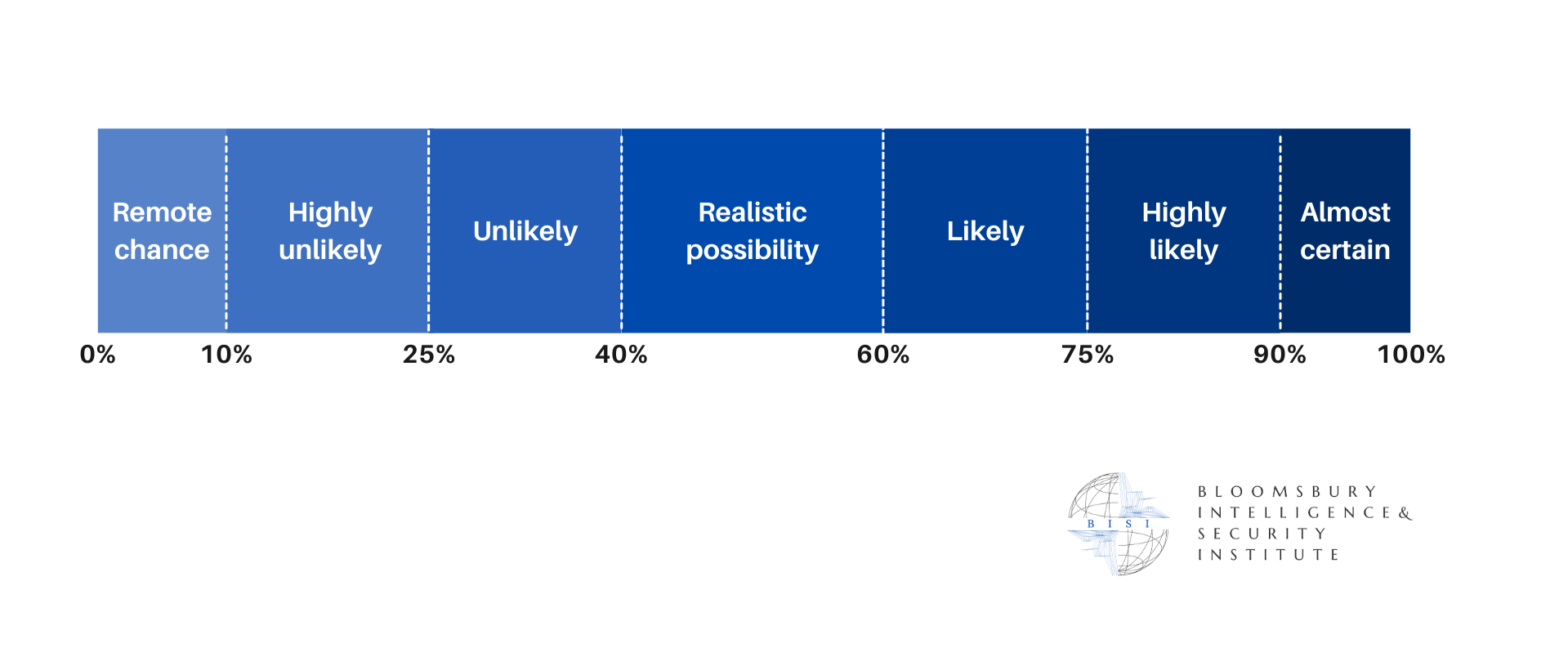
It is highly likely that arrivals will continue to increase as displaced people continue to flee the conflict area.
If external intervention is not forthcoming, it is likely that Djibouti's refugee infrastructure will be overwhelmed.
It is highly likely that malnutrition rates in Markazi camp will rise further.
Medium-term (3 - 12 months)
It is a realistic possibility that the resulting strain on WASH systems in Markazi camp will trigger an outbreak of waterborne disease among residents.
Given Houthi control of the Strait, there is a realistic possibility that humanitarian ships will be forced to divert around the Cape of Good Hope, significantly delaying aid deliveries to Djibouti.
Long-term (>1 year)
It is likely that many of the new arrivals will struggle to integrate socio-economically, with a significant share remaining dependent on Markazi camp.