By Anna Toso | 1 October 2026
Summary
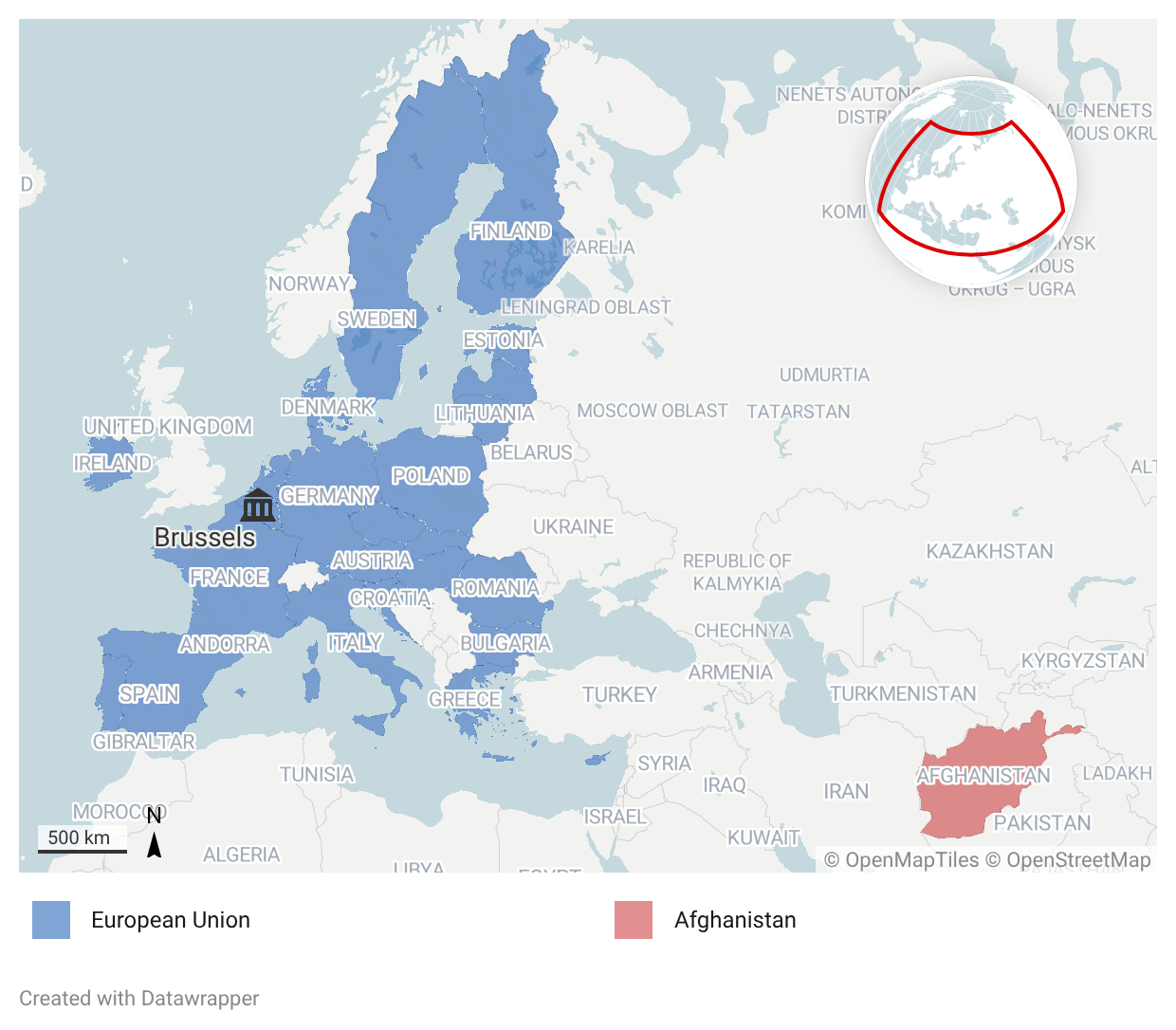
Talks between the European Union and a Taliban delegation from Afghanistan took place in Brussels on 23 June 2026 to discuss the forced returns of Afghan nationals without the right to stay in the Member States’ territory.
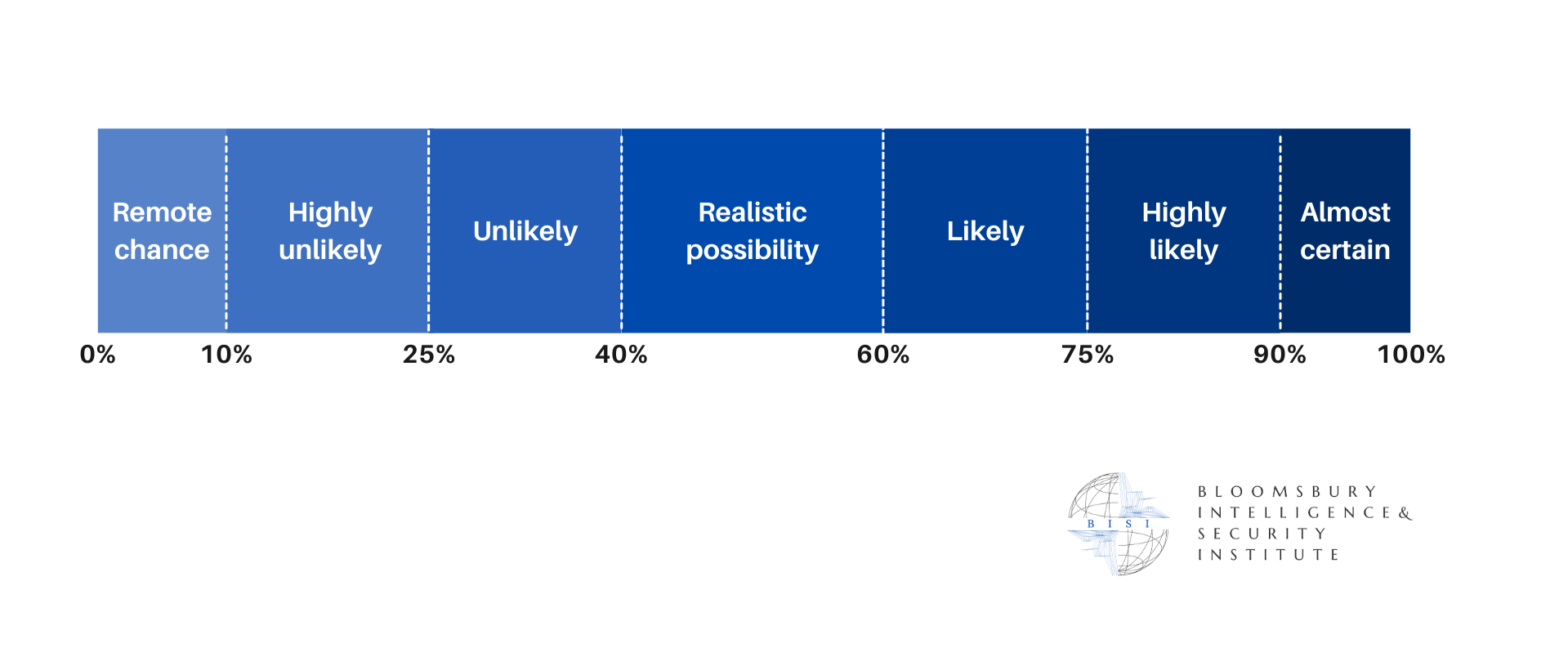
The diplomatic cooperation implied by this closed-door meeting risks politically legitimising the Taliban regime despite its perpetration of severe human rights violations in Afghanistan.
If an increasing number of people from Afghanistan are forced to return to their country of origin due to the EU-Taliban cooperation, the returnees will be highly likely to experience discrimination, human rights violations, and violence by the de facto Taliban authorities.
Context
On 23 June 2026, the European Union (EU) held closed-door talks in Brussels with a delegation of Afghan Taliban leaders, building upon the technical discussions held in Afghanistan between these two parties in January 2026. The topic discussed was the forced return of people who migrated from Afghanistan without the right to stay in the EU: asylum seekers whose requests were rejected by European states and those who hold criminal convictions. Between 2013 and 2024, the EU received 1m asylum applications from Afghanistan. In the first half of 2026, Afghans were the largest nationality group among incoming applicants.
Implications
Human Rights at Risk and Social Unrest
International law prohibits refoulement – the forced return of individuals to their country of origin – to an unsafe country. In Afghanistan, an estimated 21.9m people require humanitarian assistance in 2026, corresponding to 45% of the national population. The Taliban regime in Afghanistan curtails women and girls’ rights, banning their education after the age of 11, restricting freedom of movement, allowing domestic violence and child abuse, and largely limiting access to employment. If returned to Afghanistan, Shia Muslims, journalists, human and civil rights activists, and former government officials would also risk prosecution, torture, and denial of freedom of expression. Namely, when returnees were forcibly repatriated to Afghanistan from Pakistan and Iran in 2025, they faced inhumane treatment by the Taliban authorities. This means that if Afghans were returned, the EU would almost certainly breach international law. Domestic political groups and international human rights monitoring agencies are highly likely to denounce these controversies.
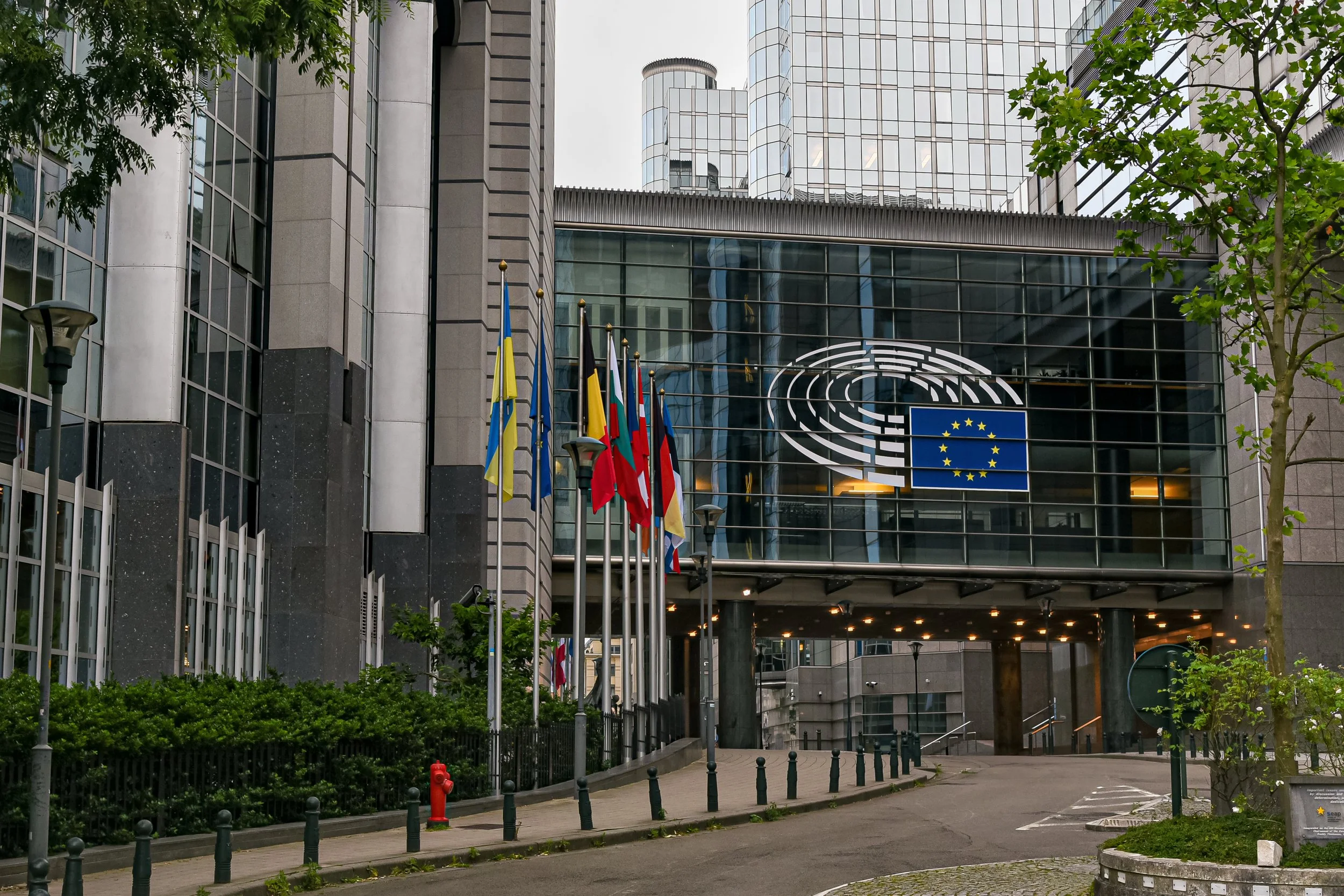
Following the EU-Taliban talks, protests broke out outside the EU Parliament in Brussels. 83 Afghan, European, and international human rights groups signed an open letter to express concerns about the meeting, implying a de facto legitimisation of the Taliban’s authority and their severe human rights violations. However, the EU’s domestic political pressures to tighten migration policies and the pragmatic necessity to engage with the de facto Taliban administration to curb immigration from Afghanistan make it highly unlikely that these demands from civil society will be heard and followed in practice.
Responses through Diplomacy, Policies, and Funding
So far, returns from the EU to Afghanistan have been limited due to the lack of diplomatic relations and the absence of formal recognition of the Taliban’s governing legitimacy. The meeting on 23 June was the first time an EU Member State (MS), Belgium, hosted talks with the Taliban since they took over power in Afghanistan in August 2021, after the US and NATO troops' withdrawal under the Biden Administration. In the last 5 years, the political isolation of the Afghan Taliban government has gradually reduced internationally. An increasing number of governments, especially regional neighbours in Asia, have accepted Taliban appointees in the Afghan embassies on their territory. Within the EU, Germany has allowed a growing number of Taliban-appointed diplomats in the country, who now head the Afghan embassy in Berlin and the Consulate General in Bonn. Only Russia officially recognises their authority in Afghanistan, and even signed a security cooperation Memorandum of Understanding with Kabul in May 2026. Normalising diplomatic relations with the Taliban risks legitimising an oppressive regime that abuses human rights.
Most recently, immigration and forced returns hit European headlines when over 60,000 people irregularly entered the Spanish territory of Ceuta from Morocco on 30-31 July 2026. In response, right-wing political leaders from several MSs underscored demands for deportations and a remigration agenda. Although the European Commission previously rejected the registration of a related policy initiative, the “Save Europe Act,” due to EU law violations, it committed to greater financial and security cooperation with third countries to counter migration, regardless of the interlocutors’ human rights and democratic standing.
For instance, the EU allocated EUR 10m (USD 11.6m) to projects in Afghanistan aimed at fostering climate resilience, economic growth, and social integration, also to “address the root causes of migration and forced displacement.” However, the severe humanitarian aid funding shortages in Afghanistan are of a much larger scale: as of August 2026, roughly USD 1.2b was still missing to fulfil the country’s annual Humanitarian Needs and Response Plan.
Jorge Franganillo/Wikimedia
Forecast
Short-term (Now - 3 months)
If an increasing number of people from Afghanistan are forced to return to their country of origin due to EU-Taliban cooperation, the returnees will be highly likely to experience discrimination, human rights violations, and violence by the de facto Taliban authorities.
Medium-term (3 - 12 months)
In 2027, several MSs will hold elections. During the electoral campaigns, immigration will likely become a highly politicised topic, often framed as a national security threat rather than a potential avenue to mitigate an ageing population, low birth rate, and job market gaps.
If far-right parties were to win parliamentary majorities in several MSs, a path that the recent AfD’s victory in Saxony-Anhalt already indicates, the implementation of stricter anti-immigration policies at the national and EU levels within the next 12 months is a realistic possibility.
Long-term (>1 year)
If the EU engages in refoulement to Afghanistan, this policy is likely to normalise forced returns to countries where human rights violations and abuse occur, which would set a relevant precedent applicable to other third-country nationals who immigrate to the EU.