By Lily Donahue | 16 November 2026

Summary
White House Press Secretary Katie Zacharia, now the shortest serving press secretary in United States (US) history, gave her first briefing on 13 October 2026 and was dismissed less than a week later.
Zacharia’s ousting, while dramatic, is itself less impactful than what it implies about the internal infighting within the current U.S. administration and the current scandals peppering the White House.
This infighting comes as approval ratings plummet and Democrats sweep the midterm elections.
Context
Katie Zacharia, U.S. President Donald Trump’s recent press secretary, began her tenure with a short briefing on 13 October 2026 and was dismissed three days later. Zacharia’s first briefing - lasting an unusually short 14 minutes when her predecessor’s averaged 45 - was widely criticised in a rare bipartisan response. Trump initially praised Zacharia, telling a reporter he thought she did “very good”; the White House described her performance as “powerful.” Others in the Republican Party, however, appeared less enamoured, with one unnamed politico deeming Zacharia a “joke hire.”
Zacharia has since been mired in scandal, with critics claiming that she misrepresented her legal credentials - Zacharia refers to herself as a lawyer, and Trump has described her as an attorney. A resident of California, Zacharia is not listed as a member of the State Bar for that state; neither is she listed as a member of the Texas or D.C. bars, two other states in which she has lived. Zaharia lists both General Counsel and Law Associate positions on her LinkedIn, both positions which generally necessitate passing the bar exam. Zacharia later admitted she had not passed the bar exam, explaining that she had not been asked by the administration about her qualifications whilst interviewing for the role. She was fired a day later.
Implications
With the U.S. midterms giving Democrats expansive control of the House and Senate, Zacharia’s poor performance and subsequent dismissal have added to a host of other errors plaguing the administration. Zacharia herself announced Ambassador Kimberly Guilfoyle’s dismissal from her post as ambassador to Greece, a job she lost due to allegations of fraud. Plans to livestream the execution of the Fort Hood shooter resulted in widespread criticism, including from dozens of retired U.S. generals. Throughout, polls and early voting predicted a win for Democrats. While poor performances from press secretaries do not typically have direct effects on presidential approval ratings, there is precedent to suggest they can compound preexisting crises. Further, high-level turnover - especially at such a rapid pace - implies inefficiency, which independent voters may find unappealing. That Zacharia and Trump both distorted her legal credentials, while unlikely to lead to any significant polling shocks, again belies internal chaos. In-house friction may amplify this issue. Trump’s picking of Zacharia was apparently done without the knowledge or approval of his Chief of Staff, Susie Wiles, speaking to a rift between the president and his top aide - an unstable position close to an election. That two advisers close to Wiles, James Blair and Chris LaCivita, travelled to Bosnia and Herzegovina to speak with the Russian-allied government of Republika Sprska, also reflects poorly. Indeed, paranoia within the administration will be more impactful than Zacharia’s dismissal - the rapid turnover time and rumours of internal bickering are reminiscent of Trump’s first administration. Trump’s approval ratings are very poor and continue to fall; his efforts to boost them - scraping restrictions on Russian diesel in an attempt to reduce fuel costs - are unlikely to be sufficient. Trump’s later replacement of Wiles with Stephen Miller sees another female staffer replaced with a man, and points to an ever increasing conservatism within the administration. Miller, controversial for his orchestration of family separation at the U.S./Mexico border, will likely push for further anti-immigration measures, which Trump is likely to accept. Hardliner Miller’s confirmation signals that the administration is seemingly uninterested is listening to voters or engaging with the country’s leftward swing.
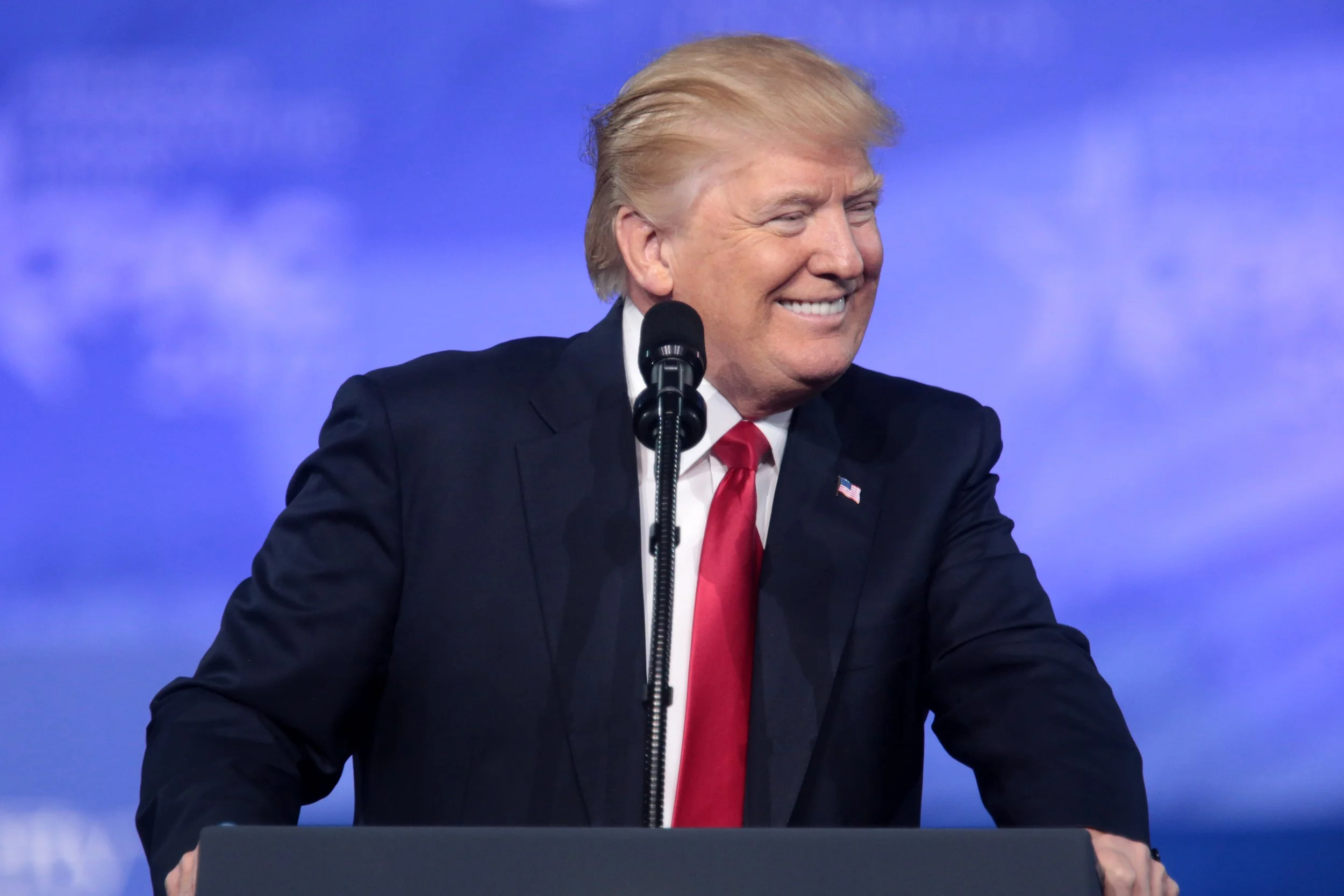
Gage Skidmore from Peoria, AZ, United States of America/wikimedia, CC BY-SA 2.0
Forecast
Medium-term (12 months)
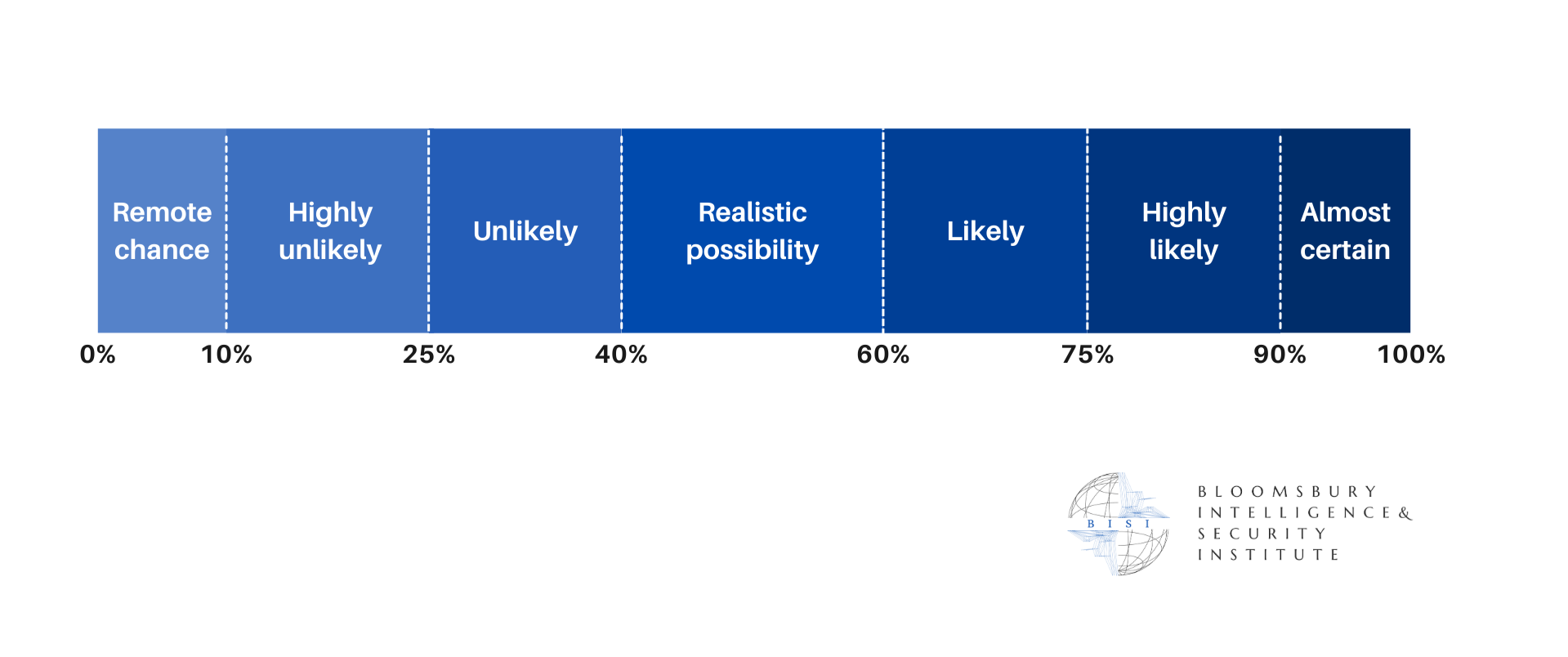
Stephen Miller will likely oversee further steps to curtail immigration and crack down on dissent. It is unlikely that incoming Democrats will view him as easy to work with.