By Anna Belcikova | 12 November 2026
Summary
Nvidia CEO Jensen Huang’s visit to Kazakhstan highlighted the country’s robust AI ambitions, with the development of the high-value sector representing a key component in Kazakhstan’s national agenda.
The development of AI and digital services will foster positive economic implications, such as increased foreign investment, technological localisation and high-skilled job creation.
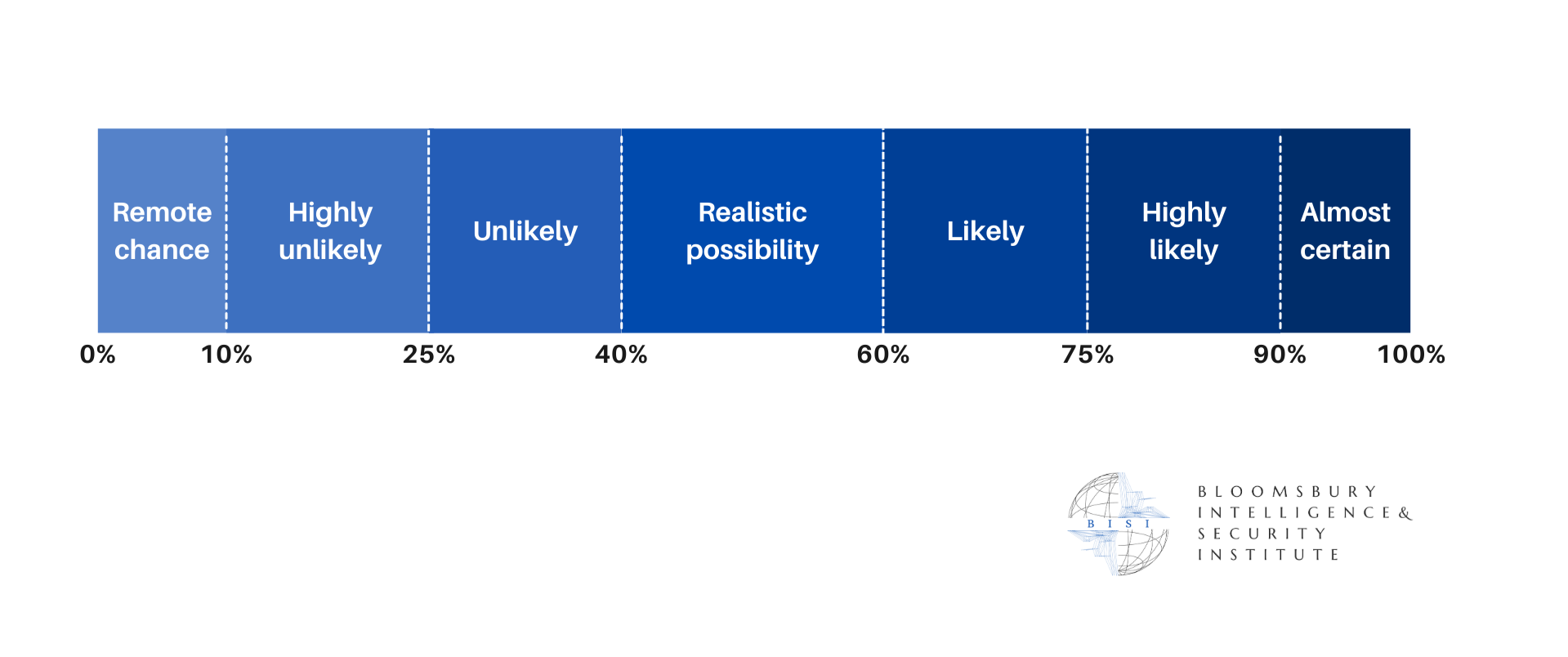
Kazakhstan is highly likely to continue developing its AI infrastructure through the Data Centre Valley Project in partnership with Firebird, contributing to further investment and expanding its high-value, export-oriented digital services. However, there may be feasibility limitations in terms of widespread implementation due to geographic constraints.
Context
Kazakhstan’s large-scale artificial intelligence (AI) development strategy is rapidly moving from its planning stage into tangible implementation, with Nvidia CEO Jensen Huang’s visit on October 23rd emphasising the country’s growing focus on the sector. The visit is in line with Kazakhstan’s declaration of 2026 as the year of digitalisation, viewing AI as a national priority. During the visit, Huang claimed the country could become Europe’s major AI computing hub because of its favourable attitude towards AI and abundant energy resources. The visit also brought renewed attention to the USD 10b investment partnership with US-based AI cloud company Firebird, with significant progress being made. The cooperative initiative revolves around the Data Centre Valley Project, aimed at constructing an AI infrastructure hub in Ekibastuz, including a “computing cluster powered by 100,000 advanced GPUs, including Nvidia chips”. Since June, Firebird has begun the first phase of construction and secured an export licence for 45,000 Grace Blackwell GPUs. This is a highly significant development, as shipping advanced US-designed AI chips to Central Asia requires US government approval. As a result, Kazakhstan’s prioritisation of AI will help diversify its economy by developing and integrating the high-value sector, whilst repurposing its resource leverage.
Implications
From an economic perspective, Kazakhstan’s prioritisation of AI will foster numerous positive implications. These span increased revenue and foreign investment, as well as technological localisation and the creation of high-skilled jobs. For example, it is estimated that the Data Centre Valley Project will generate at least USD 3b in annual export revenue, whilst simultaneously encouraging new investment from foreign technology firms. This is further supported by Firebird’s extensive network of partners, who have already secured service agreements with international clients. Increased accessibility and regulatory readiness for advanced computing capacity will also benefit Kazakhstan’s scientific research, local startups, and cloud services. Local demand for computing power is also likely to grow as new applications emerge. For example, Pony.ai, inDrive and Nvidia have signed a Memorandum of Understanding, and are planning on testing robotaxis in Kazakhstan. This will make Kazakhstan the first test market, with the joint initiative aimed at advancing autonomous ride-hailing. As a result, the country’s enthusiasm for AI development and investment has the potential to create a virtuous cycle, where successful applications generate demand for more capacity, which in turn attracts and justifies further investment.
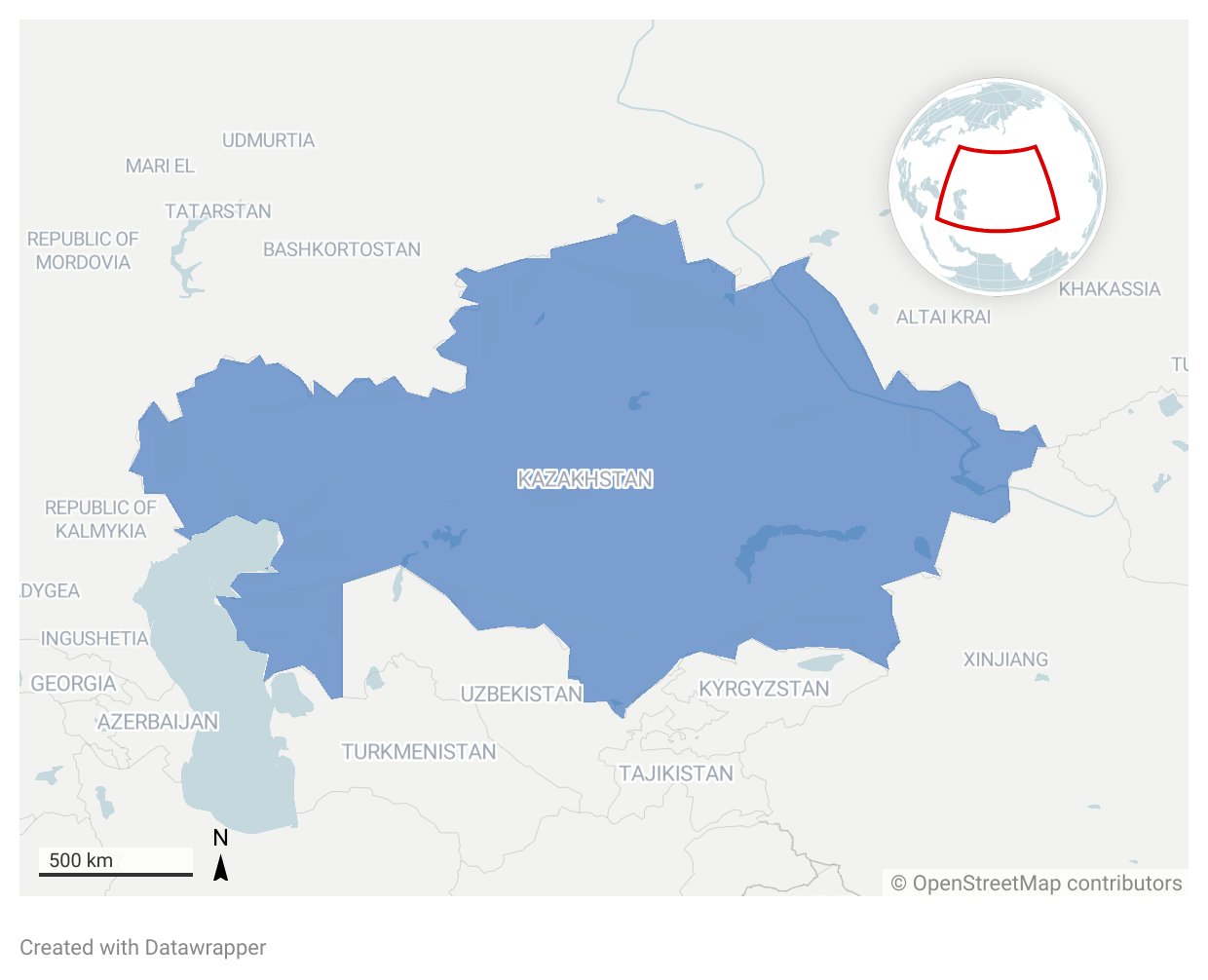
More broadly, viewing AI and digitalisation as a national priority is helping diversify the country’s economy and repurpose its resource abundance. This is because energy is the foundational building block for developing AI, positioning Kazakhstan as a highly competitive hub. This is supported by the Data Centre Valley Project, as the Ekibastuz basin, where the project is based, contains an estimated 10b of coal reserves. As a result, the use of coal for energy is now expanding into high-value, export-oriented services, which will drive economic growth. Furthermore, from an environmental perspective, AI will be used to manage the country’s water scarcity issues, with the government launching a national water information system by December 15th. However, simultaneously, it is important to acknowledge that there may be feasibility limitations in terms of the digitalisation and widespread implementation of AI in Kazakhstan, such as geographic constraints. Due to its large territory and sparse population density, the benefits of large-scale AI adoption may be unevenly distributed, with the risk of rural regions not substantially gaining from this high-value sector’s growth. Furthermore, it is unlikely that the AI and digital sector will replace the more traditional industries that form the backbone of Kazakhstan’s economy, such as oil and gas extraction, manufacturing, mining, and agriculture. Together, it is estimated that these industries account for a third of the country’s GDP and employ over 2 million people.

Forecast
Short-term (Now - 3 months)
The construction stage of the Data Centre Valley Project is almost certainly going to be underway, with the completion target date set for December 2026. The first shipments and installation of the Grace Blackwell GPUs are also likely to begin. Kazakhstan’s AI-based, national water information system is also highly likely to be launched by the end of December.
Medium-term (3 - 12 months)
The commercial launch of the Data Centre Valley Project is likely to be in the third quarter of 2027, if earlier targets such as the construction of the main data centre buildings and energy units are met on time. Another risk to look out for is whether or not Ekibastuz’s power and grid updates will be able to keep up with the pace of construction.
Long-term (>1 year)
The completed project is likely to attract further foreign investment and generate considerable export revenues as computing capacity becomes operational. It is also likely to foster the creation of new high-skilled jobs and contribute to Kazakhstan’s gradual economic diversification. Nevertheless, it is highly unlikely that AI and the broader digital sector would replace structural reliance on traditional resource sectors.