What China’s New Supply Chain Regulations Mean to Multinational Corporations
By Yuan Yan | 28 April 2026

Summary
China has rolled out new rules to protect its industrial and supply chains, bringing together multiple government agencies to monitor risks, respond to emergencies, and act against foreign companies that harm its supply chains.
These rules give Chinese authorities more control over trade and foreign companies, meaning firms could face clashes between Chinese laws and rules from the U.S. or European Union (EU), while supply chains and partnerships will come under tighter scrutiny.
As a result, regulatory oversight is expected to intensify, and foreign divestment will likely accelerate. The FDI is expected to decline but slowly stabilise as companies adapt to the new regulatory environment in China.
Context
Chinese Premier Li Qiang signed the Regulations on Industrial and Supply Chain Security (State Council Order No. 834), which took effect immediately upon its release on 7 April 2026, with no transition period. These 18-article regulations (henceforth ‘the Regulations’) establish a coordinated working mechanism involving over 15 agencies to facilitate information sharing, risk monitoring, early warning, and emergency management to ensure the stable production and circulation of raw materials, technology, and equipment. Notably, Articles 13 through 16 delineate countermeasures and the extraterritorial application of the law against foreign countries, regions, organisations, and individuals that adopt ‘discriminatory measures’, violate market principles, or otherwise harm China’s supply chain security.
Implications
The Regulations are the first comprehensive administrative law on industrial and supply chain security in China. It is the culmination of a legislative trajectory pursued since at least 2020, but the strength, breadth, and diversity of these new measures are unprecedented. Previously, Beijing relied on ad hoc countermeasures and scattered legislation to investigate foreign operations. It is now shifting to a more systemic and centralised approach to security reviews, although the measures largely overlap with tools already available under the Anti-Foreign Sanctions Law, the Unreliable Entity List (UEL) regime, and the 2021 Ministry of Commerce (MOFCOM) Blocking Rules.
The Regulations are set against the backdrop of increasing tension between China’s global trade dependence and President Xi Jinping’s mandate for national self-reliance. While exports account for around 20% of China’s GDP and drove last year’s 5% growth amidst weak domestic consumption and a persistent property crisis, the country remains highly vulnerable to external trade shocks. Despite a massive USD 1.2t surplus in 2025, the Q1 surplus this year dipped slightly to USD 265m due to rising oil import costs following the outbreak of the Iran war.
On the one hand, Beijing views these Regulations as justified countermeasures against tightening US and EU restrictions and to de-risk the supply chain. On the other hand, the move signals policymakers’ growing concerns about the pressures from US tariffs, technological decoupling, semiconductor bans, and supply disruptions in energy and fertilisers resulting from the prolonged U.S.-Israel-Iran conflict.
These new rules will likely empower Chinese authorities to further restrict trade, impose additional levies, and expand countermeasure lists. Corporate decisions such as halting supply to Chinese clients, suspending software updates, or withdrawing technical support will now face intense scrutiny. Terminating a Chinese supplier to comply with US or EU mandates, including the Uyghur Forced Labor Prevention Act (UFLPA) by the U.S., the Corporate Sustainability Due Diligence Directive (CSDDD) by the EU, could now trigger investigations under Articles 15 and 16 of the Regulations. This creates a compliance conflict where adhering to one jurisdiction’s legal requirements can result in a violation of Chinese regulations.
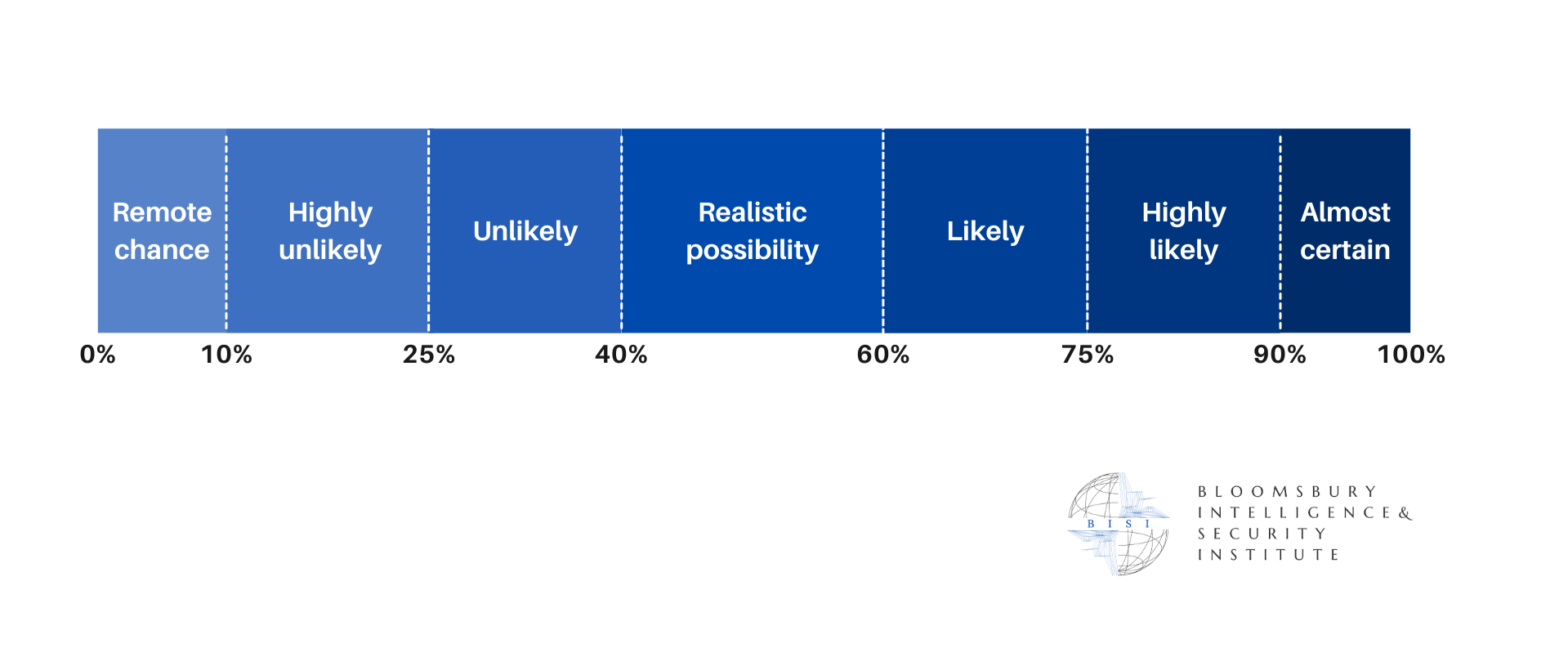
Multinational corporations operating outside of China are almost certain to find it more challenging to divest from joint ventures or shift to alternative suppliers. There is a realistic possibility of more supply delays and prolonged export control procedures in critical sectors. Furthermore, Chinese firms will likely be more hesitant to work with foreign partners if involving sensitive data or compliance-related activities. Despite the enterprises, foreign executives and personnel are likely to face exit bans if their firms are suspected of relocating supply chains.
Hinrich Foundation/Wikimedia
Forecast
Short-term (Now - 3 months)
Chinese regulatory bodies are almost certain to intensify oversight of foreign operations within the domestic market. In response, foreign firms are highly likely to enhance their due diligence protocols, evaluate potential market exits, and conduct independent reviews of their data collection practices in China.
Medium-term (3 - 12 months)
There is a realistic possibility that the EU and the US will enact new legislation as countermeasures to Chinese actions. Consequently, the pace at which foreign firms (especially automakers, given the continuous decline of Chinese demand) pull out of the Chinese market is highly likely to accelerate.
Long-term (>1 year)
There will likely be a continued decline in Foreign Direct Investment (FDI) within the Chinese market. However, existing foreign operations are likely to stabilise once they have fully adapted to the new regulatory environment.