Vance’s South Caucasus Visit: TRIPP and the US Push for Connectivity
By Erlan Benedis-Grab | 16 March 2026
Summary
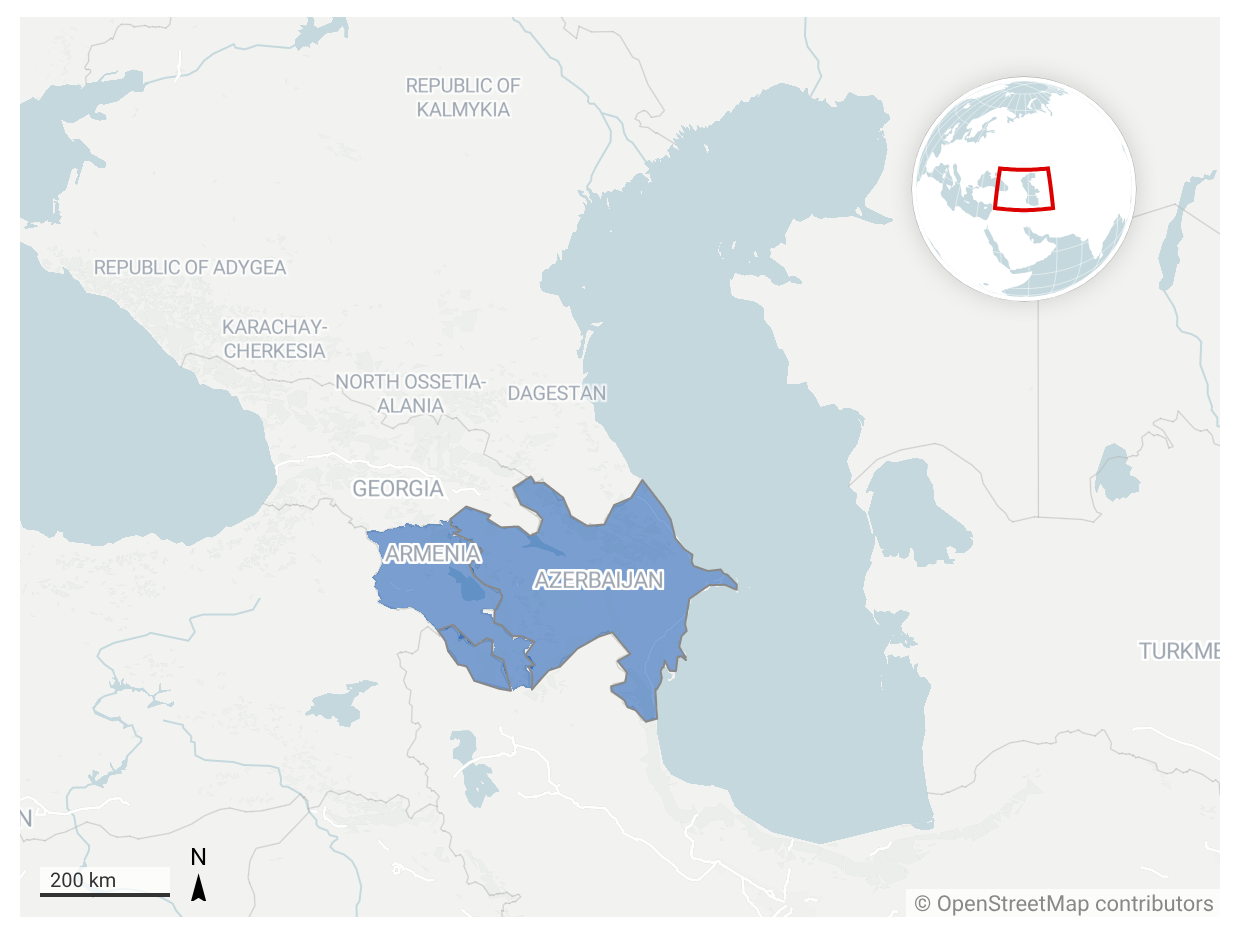
Between 9 and 11 February 2026, U.S. Vice President J.D. Vance visited Armenia and Azerbaijan to reinforce bilateral cooperation and keep the Trump Route for International Peace and Prosperity (TRIPP) high on the Trump administration’s South Caucasus agenda.
Vance’s visit highlights growing U.S. influence in the South Caucasus, reflecting both the relative success of U.S. mediation between Armenia and Azerbaijan and Washington’s willingness to deepen engagement in a region long viewed as within Russia’s sphere of influence. Georgia’s exclusion from the trip also points to shifting U.S. regional priorities.
TRIPP is likely to keep advancing, while U.S.-Armenia nuclear cooperation and broader regional connectivity efforts increase pressure on Russia and could gradually reshape South Caucasus trade and energy flows.
Context
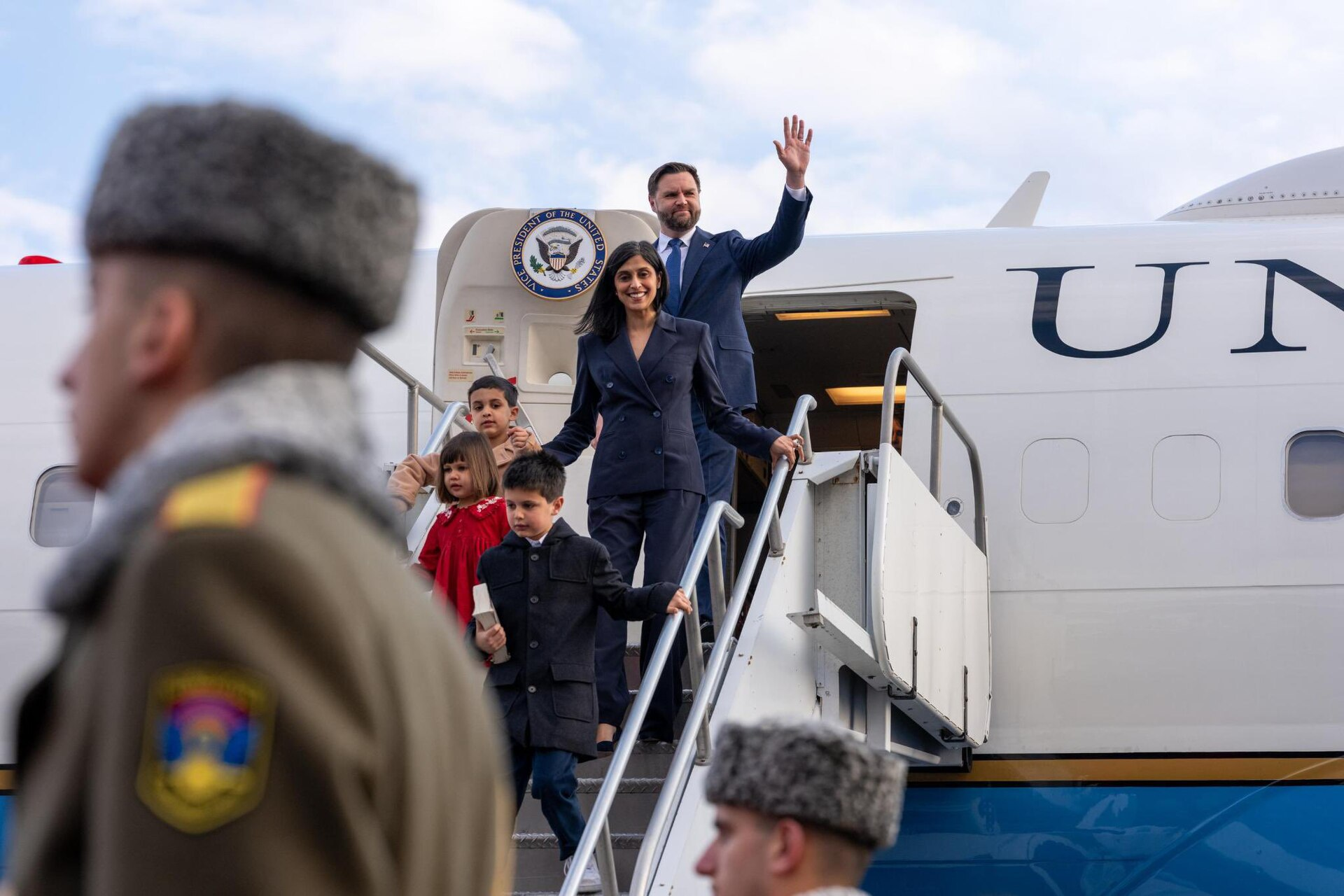
U.S. Vice President J.D. Vance made a historic visit to Armenia and Azerbaijan in February 2026, meeting with both presidents to announce new bilateral agreements and to further promote TRIPP. It is the first time since Joe Biden’s visit to Georgia in 2009 that a high-level U.S. official has visited the Caucasus.
A centrepiece of the August 2025 US-brokered framework between Armenia and Azerbaijan, TRIPP is a proposed transit corridor across southern Armenia intended to connect Azerbaijan to its Nakhchivan exclave and onward to Türkiye.
In Yerevan, Vance and Armenian Prime Minister Nikol Pashinyan agreed to a USD 11m US defence sale, including V-BAT reconnaissance drones, signed a statement concluding negotiations on a US–Armenia “1-2-3” civil nuclear cooperation agreement, and highlighted expanded AI cooperation by approving the export of tens of thousands of advanced NVIDIA GPUs.
In Baku, Vance met with President Aliyev and signed a U.S.–Azerbaijan Strategic Partnership Charter highlighting AI, energy and defence cooperation. Additionally, the US pledged further patrol ships to assist Azerbaijan in protecting its waters.
During both stops, TRIPP was featured prominently: Armenia and the US reaffirmed implementation, while the US–Azeri Strategic Partnership Charter also emphasised TRIPP’s economic potential.
Implications
Vance’s South Caucasus tour was intended to keep TRIPP from stalling. TRIPP serves the broader strategy of the US-backed connectivity agenda linking Central Asia to Europe(especially along the energy lines), with Washington positioning itself as the key broker and convener.
The US is making bold moves in the South Caucasus. Russia once positioned itself as the region’s primary security guarantor, but its credibility eroded after its peacekeepers failed to meaningfully deter Azerbaijan’s 2023 offensive against Armenia, which subsequently suspended its participation in the Collective Security Treaty Organisation (CSTO). By building joint and bilateral relations between the two nations, the US is positioning itself strongly in a strategically sensitive region, where both states sit adjacent to Russia and Iran.
Washington has also positioned itself as a leading contender to replace Armenia’s ageing Soviet-era nuclear plant with small modular reactors, and the signed 1-2-3 agreement helps clear a legal hurdle that could tilt the eventual procurement decision toward U.S. suppliers. On top of that, Vance said the nuclear track could unlock up to USD 9bin potential investment for the project. Rosatom remains one of the few Russian state-linked exports that is globally competitive. Losing an Armenian bid would undercut Russian prestige in an area it previously thought itself uncontested. In response, Russia has dismissed U.S. reactor designs as “untested,” while the Secretary of Russia’s State Council and former defence minister Sergei Shoigu raised safety concerns about Washington’s plans.
Notably, Vance did not stop in Georgia. Once Washington’s closest partner in the region, Georgia is now effectively watching from the sidelines as US engagement shifts to Yerevan and Baku. Georgia’s recent democratic backsliding and the ruling Georgian Dream party’s sustained hostility toward Washington help explain why the US chose to pass it by. The result is a diminished Georgian role, with more attention on Armenia and Azerbaijan.
White House/Wikimedia
Forecast
Short-term (Now - 3 months)
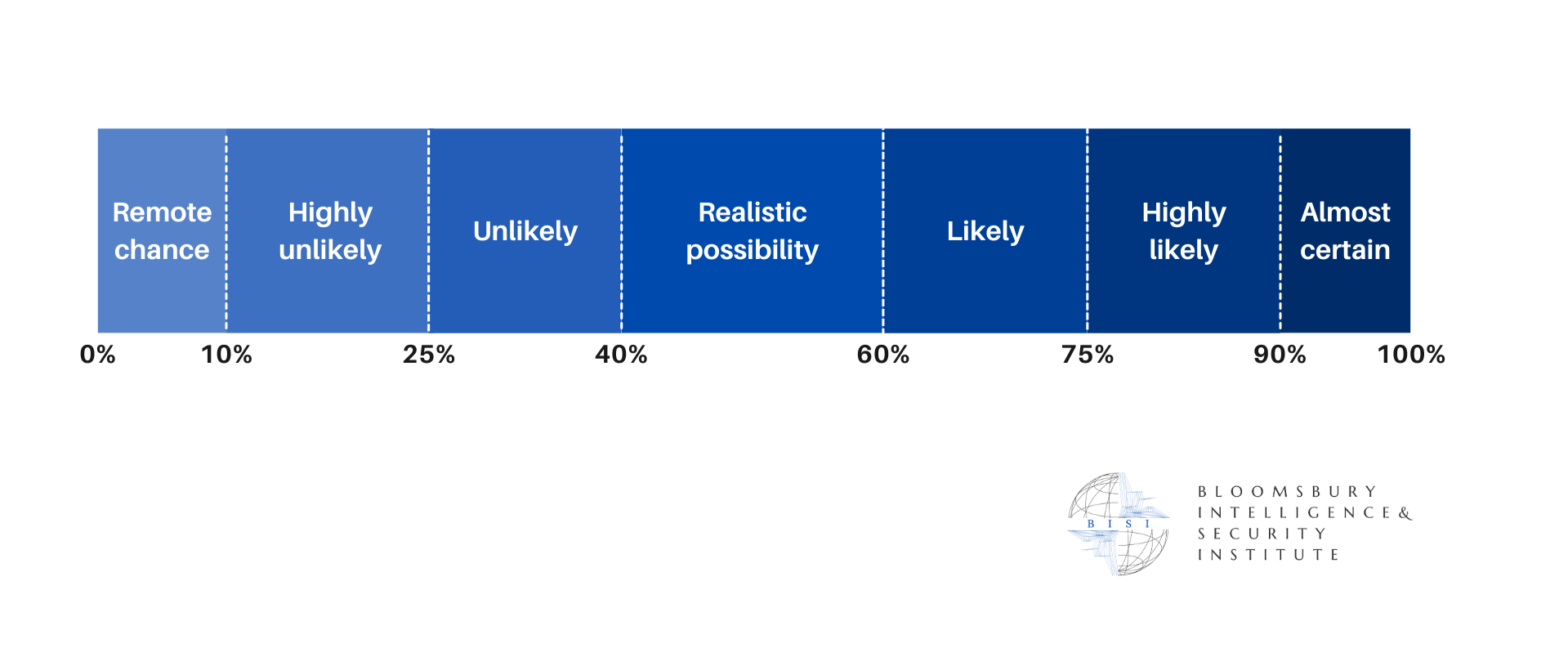
TRIPP is likely to keep advancing through working groups and feasibility milestones, while it is possible that major construction will wait on customs/security rules.
It is likely that there will be a modest increase in energy exports from Azerbaijan to Armenia as early confidence-building economic measures continue.
Russian pushback and friction will rise in parallel: Russia (and possibly Iran) will almost certainly increase political and information pressure on Armenia. Moscow will highlight USSR-era nuclear cooperation between Russia and Armenia, and is highly likely to offer Armenia attractive financing terms.
Medium-term (3 - 12 months)
There is a realistic possibility that the 1-2-3 track could translate into a US-backed procurement process for Armenia's nuclear plant, intensifying Russian pressure and shaping the broader trajectory of the US–Armenia alignment.
It is highly likely that Russia will intensify political friction around Armenia’s 2026 elections, expanding influence operations to blunt Yerevan’s pro-West pivot.
Long-term (>1 year)
There is a realistic possibility that if TRIPP is implemented, it could rewire regional trade and energy flows. It would embed Armenia and Azerbaijan in a shared infrastructure ecosystem and strengthen connectivity in the Central Asia–South Caucasus–Europe direction.