US Policy Shifts Leave Caribbean Community Exposed
By Gabriel Perkins | 11 March 2026

Summary
Since President Donald Trump took office in January 2025, a series of United States (US) policy changes, which include a 1% remittance tax, mass deportations, the closure of the US Agency for International Development (USAID) and trade tariffs, have increased the fiscal strain on the Caribbean Community (CARICOM).
These pressures affect the household budgets of individual citizens of the Caribbean nations and the smaller CARICOM member states the most because they reduce consumer spending, increase structural unemployment with returning deportees and remove USAID funding. Diversified economies like Trinidad and Tobago are left in a stronger position than smaller economies like Saint Kitts and Nevis, further dividing CARICOM.
With CARICOM not creating a unified response, individual member states will favour bilateral trade negotiations with the US over multilateral trade agreements in the short term. In contrast, the US policy structure toward the Caribbean deepens fiscal vulnerability in the medium- to long-term.
Context
CARICOM is a 15-member bloc of Caribbean states. Since Trump took office in January 2025, CARICOM has been under pressure from compounding US policies. The introduction of a 1%remittance tax on all cash-based international remittances is significantly impacting the bloc. In 2024, a total of USD 18.4b in remittances was sent from the US to the Caribbean. Of the USD 18.4b, USD 10.3b was sent to the Dominican Republic, and USD 3.4b to Jamaica.
The second policy adding pressure on the bloc is increased deportations of CARICOM nationals. Jamaica has over 5,000 undocumented nationals in the US who are earmarked for deportation. The Caribbean is having to accept these deportees with no plan in place as to how they will be reintegrated into society. The dual pressures of the USAID closure and tariffs have also had an adverse effect. These policies are particularly painful for the countries affected by Hurricane Melissa, which is expected to cost affected states as much as USD 52b in damages. That number excludes the cost of lost revenue that islands like Jamaica will experience in hotel closures.
These compounding factors have fragmented CARICOM's collective bargaining power, reducing its ability to negotiate as a bloc and forcing individual member states to favour bilateral over collective negotiations with the US, thereby weakening their negotiating position in trade deals with the US.
Implications
The immediate economic impacts are greater on households than on governments. The increased cost of sending money will create reduced private expenditure across the region. Families rely on remittances to pay school fees, bills and other everyday costs. For example, Saint Vincent and the Grenadines received remittances equivalent to 8.2% of its GDPin 2024. If the remittance tax significantly reduces the amount of money sent from the US to the Caribbean by many nations, this could create an economic downturn.
CARICOM's labour markets will be affected by the influx of deportees. Many returning nationals lack formal qualifications or experience in sectors where demand is growing in the Caribbean, such as tourism and financial services, making structured reintegration difficult. Housing shortages and strained public services compound the challenge, raising the prospect of higher unemployment and poverty rates across the region.
The loss of USAID has removed funding for critical programmes across the Caribbean, including HIV/AIDS treatment initiatives, disaster relief operations and food security schemes. In the fiscal year 2024, USD 2.4b was allocated to USAID's work in the Caribbean and Latin America. The closure has left governments and non-governmental organisations unable to sustain services that communities depend on, with a direct humanitarian cost.
Within CARICOM, states have been affected differently by the US policy changes. The Caribbean Single Market and Economy (CSME) allows member states to trade with each other with reduced trade barriers. This allows manufacturing-dominant and diversified economies like Trinidad and Tobago to maintain revenue streams and withstand shocks more effectively than islands like Saint Kitts and Nevis, which have limited revenue streams and are more vulnerable to the consequences of US policies.
In response to these pressures,some CARICOM states have begun pursuing diplomatic outreach to alternative partners, including the UK, the EU and China, seeking to diversify economic and security cooperation and reduce their dependence on Washington.

Southeast Peninsula, St Kitts and Nevis
Credit: Gabriel Perkins
Forecast
Short-term (Now - 3 months)
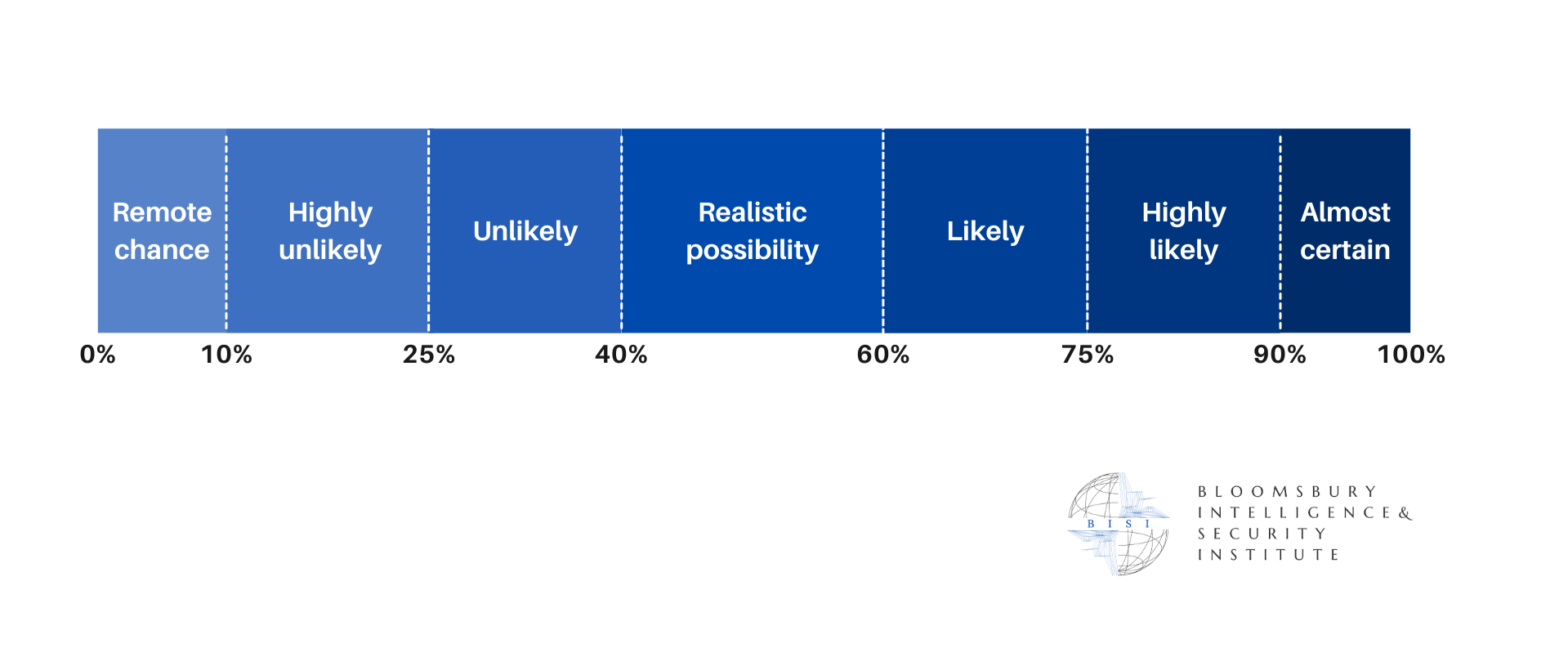
CARICOM is unlikely to create a unified response to US policies, and individual member states will favour bilateral economic diplomacy with the US over collective bargaining within the bloc. Deportees will likely arrive, putting strain on social services.
Medium-term (3 - 12 months)
There is a realistic possibility that remittances to the Caribbean will decline as diaspora members adjust their behaviour in response to the tax. US tariffs and the USAID closure are likely to accelerate outreach by weaker member states to the UK, EU and China, as these nations seek to fill the funding and trade gap left by the shift in US policy.
Long-term (>1 year)
It is likely that prolonged US pressure will reshape CARICOM's international partnerships, with member states gravitating toward China, the EU, and regional bodies for support. CARICOM itself is likely to consolidate around its stronger economies, as smaller, more vulnerable states struggle to sustain full participation without external financial backing, weakening the bloc's overall cohesion.