By Sarah Ambrose | 23 February 2026
Summary
On 10 February 2026, the United States (US) announced that it will deploy 200 troops to Nigeria to provide military training to counter Islamist militants in the country, with the first wave of troops arriving on 13 February.
This increased partnership has positive implications for civilians as increased training looks to improve the military’s airstrike precision and decrease the number of civilians killed in inaccurate counterterrorism operations, which is currently estimated at several hundred.
Due to US President Donald Trump’s aspirations to increase the US military presence across Africa, it is likely that troops will remain stationed in Nigeria beyond the next year.
Context
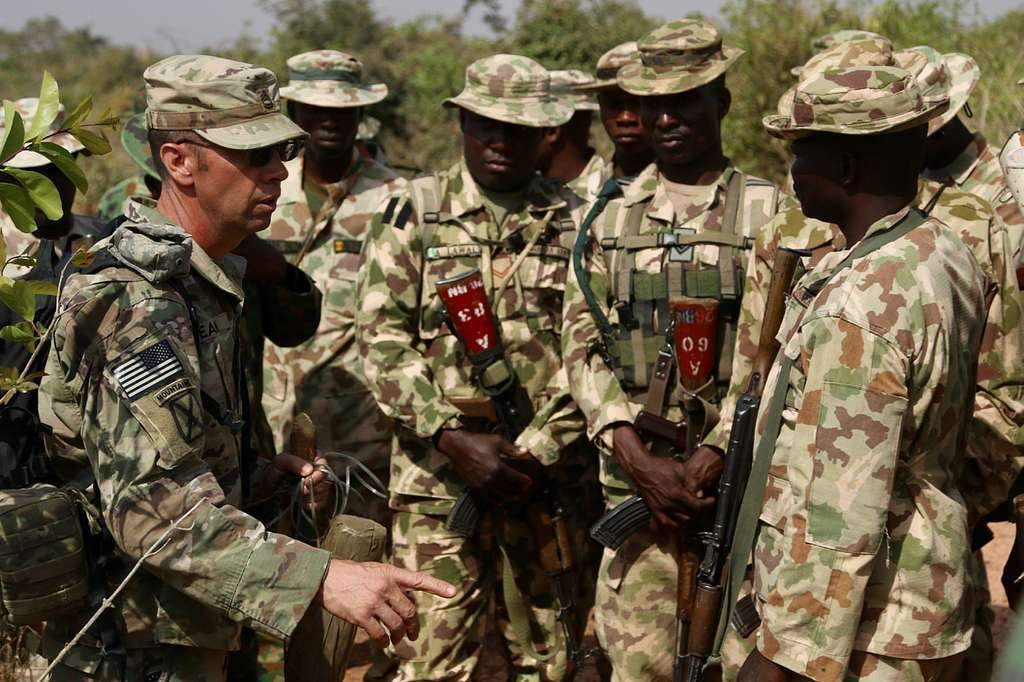
On 10 February 2026, an official from the US Department of War announced that the US will be sending 200 troops to Nigeria to provide assistance in training the country’s military in the fight against Islamist militants. On 13 February, both countries announced that the first wave of US intelligence analysts, advisers, and military trainers arrived in Nigeria. The troops are intended to aid the Nigerian military in utilising intelligence to identify targets and coordinating simultaneous air and infantry operations in their counterterrorism efforts. The Nigerian military announced that Nigeria requested the US’s assistance, and US troops will not be involved in any direct combat operations. Nigeria currently faces ongoing security threats from the escalation of attacks by Boko Haram and Islamic State West Africa Province (ISWAP) in the northwest region of the country, with over 2,000 deaths in 2025. While the US deployment to Nigeria is intended to be temporary, no timeline for their presence in the country has been provided.
Implications
The new deployment of US troops marks another key development in the escalation of US involvement in Nigeria’s fight against terrorism. In late 2025, Trump accused Nigeria of allowing a ‘genocide’ against Christians and threatened military action against the country. While members of Nigeria’s Christian population have been killed by militants, victims of Boko Haram and ISWAP attacks have largely been Muslims, as the affected northwest region is predominantly Muslim. On 25 December 2025, the US launched airstrikes against ISWAP targets in Nigeria, with the Nigerian government cooperating and providing intelligence. The US’s new role in training the Nigerian military, it signals a strengthened partnership between the two countries in counterterrorism operations and demonstrates to Trump that the Nigerian government is willing to collaborate in tackling Islamist militant threats.
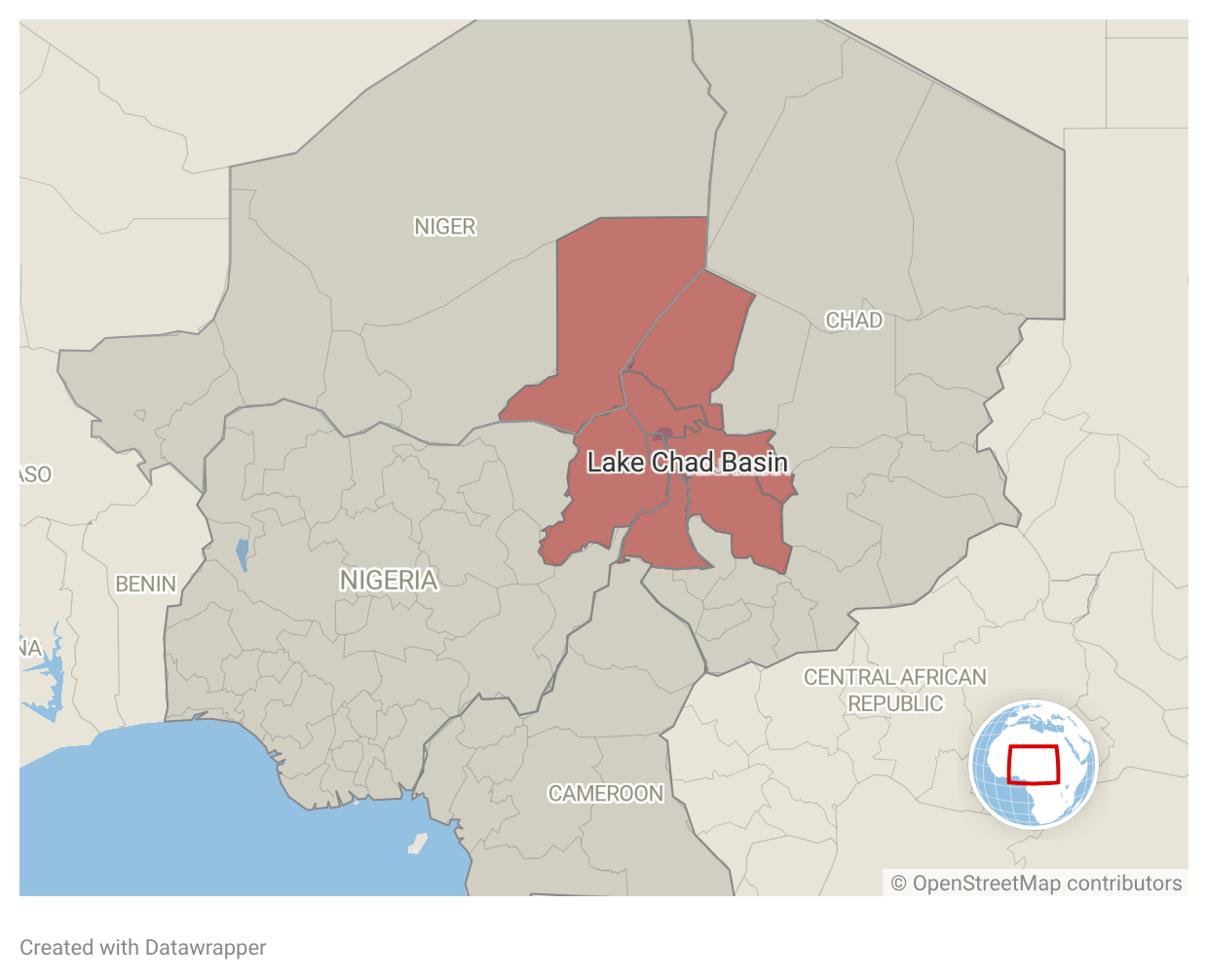
This announcement represents an additional step in the Trump Administration’s focus on Africa, with the US’s military presence increasing across the continent in recent years. Boko Haram and ISWAP operate across the Lake Chad Basin, causing transnational security concerns for all countries in the broader region. While the US previously played a key role in supporting counterterrorism efforts across the Sahel, coups in states such as Niger and Mali, coupled with Wagner Group’s increased operations, caused the US to scale back its presence and turn to other partners such as Cameroon. Heightened US presence in Nigeria will strengthen its regional influence and likely promote joint efforts between Nigeria and other US allies.
Through military training with the US and increased intelligence coordination, the Nigerian military is likely to improve its counterterrorism efforts. At present, Nigeria’s military is thinly spread around the country, lacking the coordination and resources to counter the expanding Islamist militant operations. Additionally, the military has frequently carried out imprecise airstrikes that have accidentally hit civilian targets, leading to increased anti-government sentiments and recruitment opportunities for militants. Between 2017 and 2023, over 400 civilians were killed by accidental bombings by the Nigerian military. With improved intelligence and training in coordinating airstrikes, the Nigerian government will likely improve the accuracy of its counterterrorism operations, reducing the risk of civilian casualties and more effectively resisting militant expansion.
Forecast
Short-term (Now - 3 months)
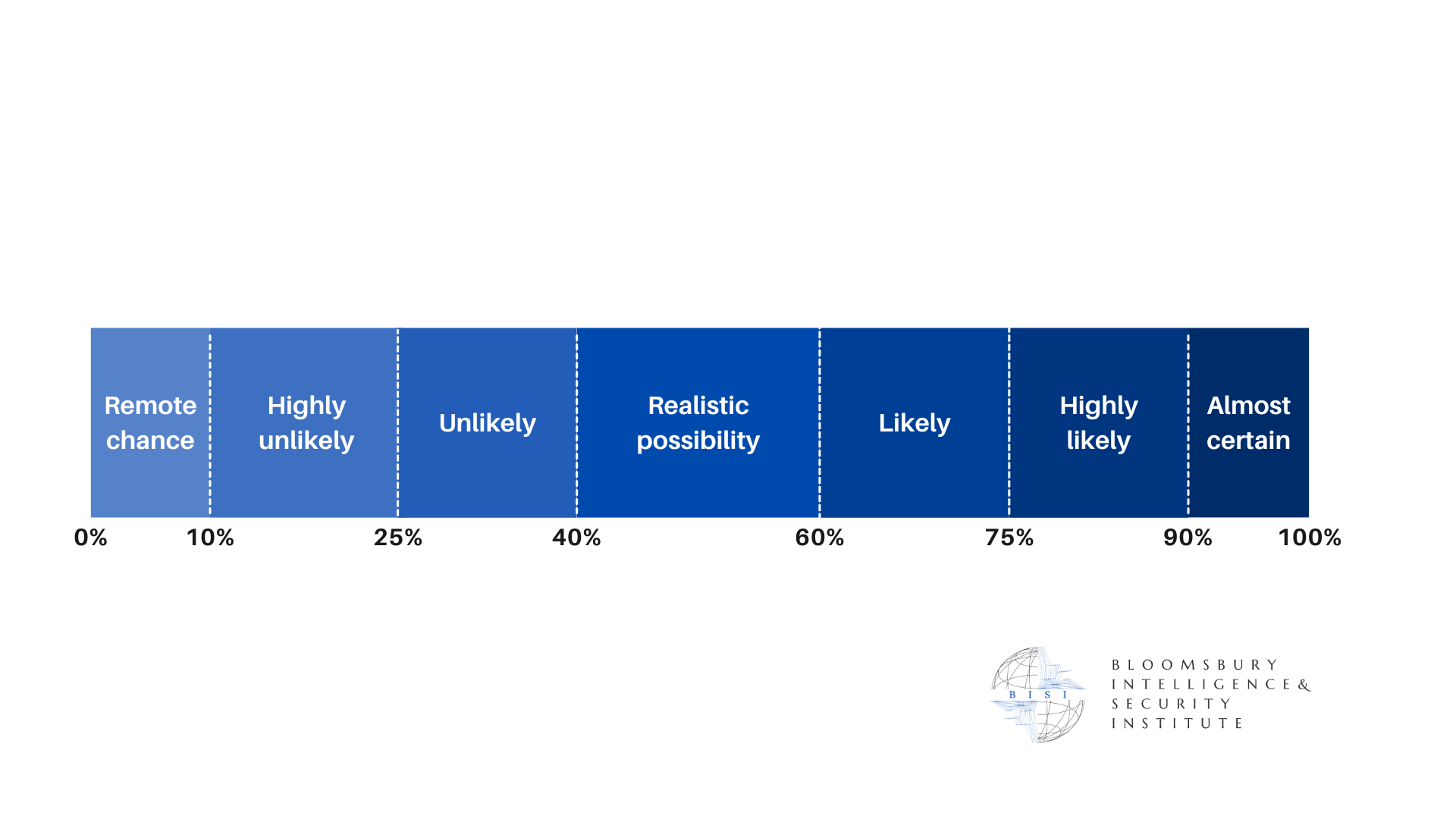
It is highly likely that Nigerian military operations targeting Boko Haram and ISWAP in the northeast will increase within the next few months.
Medium-term (3 - 12 months)
It is unlikely that Islamist militant groups will significantly decrease their operations across the Lake Chad Basin within the next year, as much of the conflict is cross-border and lacks a unified counterterrorism strategy from all affected countries.
Long-term (>1 year)
It is likely that US troops will remain in Nigeria beyond the next year as the Trump Administration intends to expand its security operations across Africa.