By Carlotta Kozlowskyj | 23 February 2026

Summary
On 11 February 2026, US Customs and Border Protection adopted Clearview AI’s facial recognition technology for tactical targeting and intelligence analysis, raising concerns around privacy, consent and operational risk.
This deployment of large-scale biometric Artificial intelligence (AI) creates vulnerabilities and significant risks for civil liberties, legal oversight and international data-sharing norms.
The use of AI facial recognition in US security and intelligence is likely to expand, driving global competition in biometric surveillance capabilities and increasing regulatory divergence with allies.
Context
On 11 February 2026, the US Customs and Border Protection signed a one-year USD 225K contract with Clearview AI, granting federal agencies access to its facial recognition system for “tactical targeting” and counter-network analysis. This contract aligns with the Trump Administration’s overarching policy of integrating facial recognition technologies into intelligence systems, including a USD 10M deal with Immigration and Customs Enforcement (ICE) in 2025. Beginning in September 2025, the system will allow US government agencies, including the Border Patrol’s headquarters intelligence division (INTEL) and the National Targeting Centre, to rapidly identify suspects and persons of interest to prevent and solve crime.
Clearview AI is a US-based facial recognition technology company founded in 2017 by Hoan Ton-That and Richard Schwartz. It maintains one of the world’s largest facial-image databases, collecting millions of images from social media, the web and other open sources, which it provides to law enforcement and intelligence agencies. The company claims its technology achieves over 99% accuracy across more than 70B data points, though it faces significant legal and regulatory challenges in the US, Europe, and Canada over privacy concerns surrounding mass biometric surveillance.
Clearview AI’s facial recognition tools are intended to be integrated into US analysts' daily intelligence operations, rather than isolated cases. The contract reflects the Department of Homeland Security’s strategy of leveraging third-party AI tools to strengthen investigations and operational efficiency. However, the scale of data collection and deployment raises serious concerns about data privacy, consent, and compliance with legal protections.
Implications
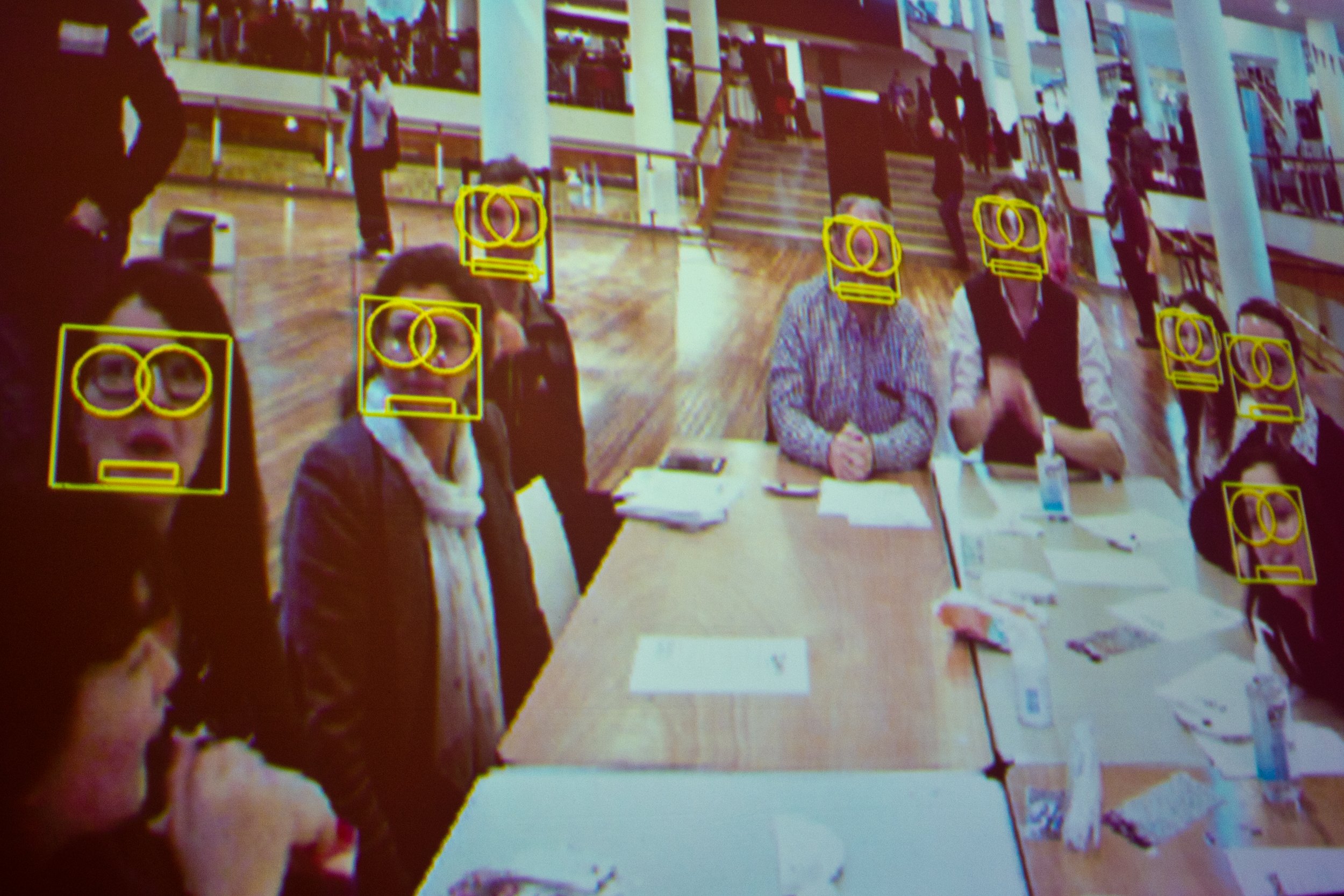
Clearview’s technology could significantly enhance the biometric capabilities of US agencies, such as the Border Patrol's intelligence division, thereby accelerating identity matching and intelligence analysis. As a result, the rapid identification of suspects could support the disruption of cross-border crime networks, including trafficking and smuggling. However, AI-driven identification introduces new risks and vulnerabilities, as errors in fast-paced operations could lead to wrongful detentions or misprioritisation. Civil liberties groups and lawmakers alike have already raised concerns regarding mass biometric surveillance, lack of consent, high error rates, and potential racial biases, all of which implicate individuals’ right to privacy, a right protected under the Fourth Amendment. Legal challenges may arise regarding data rights and proportionality in intelligence collection.
From a commercial perspective, the increased adoption of AI biometrics by governments may encourage further investment in companies like Clearview AI as they become embedded in states’ national security systems. This contract expands Clearview’s presence in the law enforcement and intelligence markets and legitimises the company’s sensitive security operations. This new deal reflects a broader belief that modern security threats require advanced technological solutions, such as facial recognition for strategic analysis.
In addition, this contract underscores regulatory divergences in biometric legislation between the European Union (EU) and the US. Indeed, while the EU has fined Clearview multiple times, restricted its operations, and further banned its model for violations of the General Data Protection Regulation (GDPR), the US is actively integrating the same technology into its intelligence and border security operations. This divergence could create practical and legal challenges for transatlantic intelligence cooperation and data-sharing agreements, as US agencies’ intelligence collection methods may be viewed as incompatible with EU privacy norms.
At the same time, adopting statewide biometric surveillance allows the US to remain competitive with other global powers, particularly China, which already relies on AI-based surveillance systems. By adopting these technologies, the US is signalling its desire to leverage AI tools for strategic advantage, but it also raises questions around global norms for AI surveillance, cross-border privacy and ethical intelligence collection.
Pete Woodhead/Wikimedia
Forecast
Short-term (Now - 12 months)
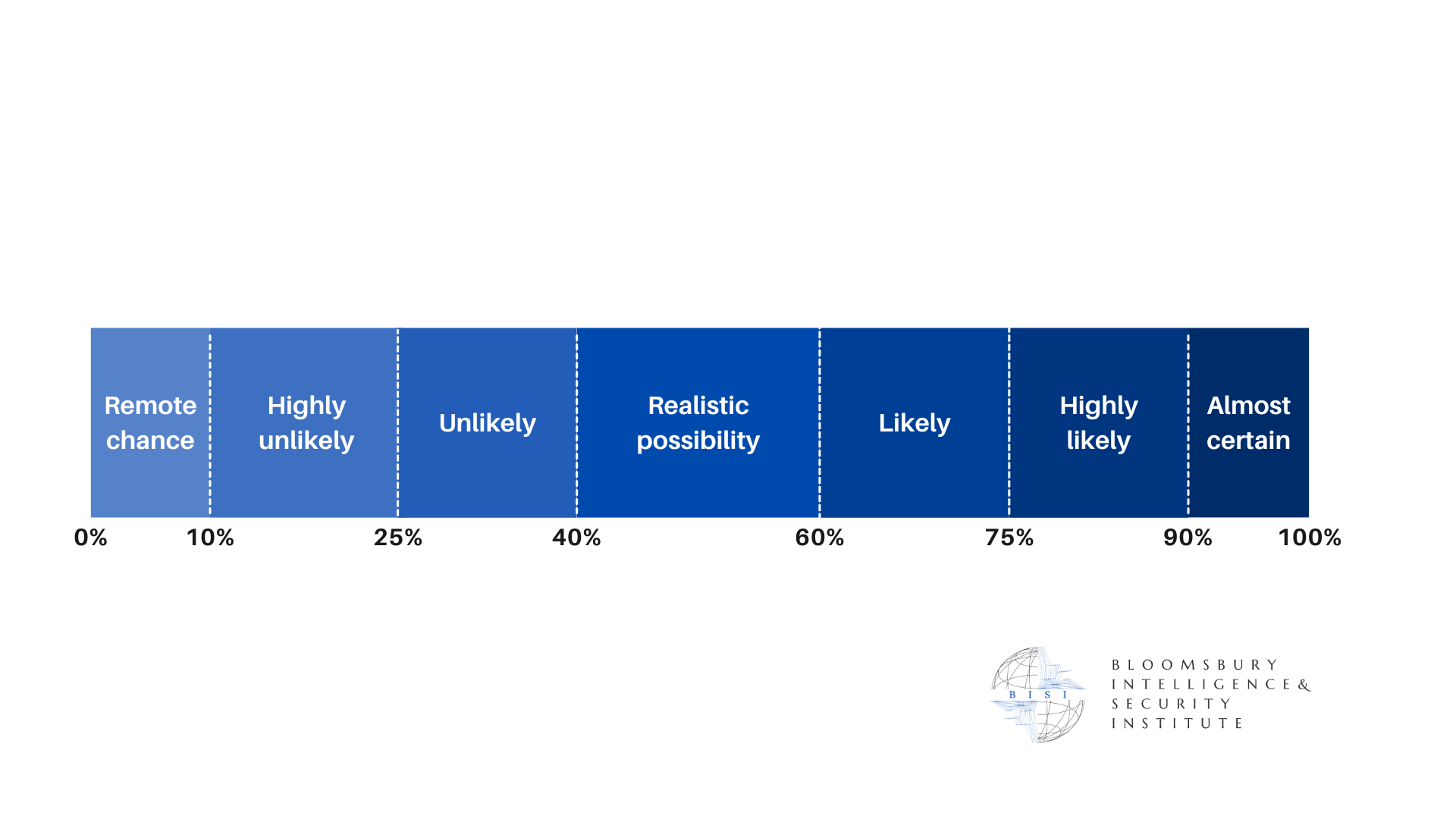
It is very likely that similar AI facial recognition contracts will expand to additional US agencies, such as the TSA and the FBI.
It is likely that this new contract will face policy and legislative backlash from states such as California, which may restrict or ban government use of facial recognition.
It is very likely that court cases will be filed regarding Clearview’s use of non-consensual data and recognition errors.
Long-term (>1 year)
It is likely that the US and EU biometric governance frameworks will diverge further, complicating intelligence sharing
There is a realistic possibility that large-scale AI biometric surveillance could become a core component of government intelligence collection and data analysis.
It is likely that there will be disagreements over international norms and restrictions on cross-border biometric surveillance.