By Max Brockdorff | 13 July 2026

Summary
Section 224 of the United States of America’s (USA) proposed 2027 National Defence Authorisation Act (FY27 House NDAA), published on 26 May 2026, includes provisions for further integration of US-Israeli military cooperation, embedding Israel within the US military-industrial complex.
The Section includes provisions for military research collaboration, co-production of weapons manufacturing and significant integration of US and Israeli weapons industries.
Should it pass, the NDAA will likely signal a move toward further integration of US-Israeli military capabilities, transitioning from the current patron-client relationship to a partnership.
Context
Section 224 of the USA’s National Defence Authorisation Act represents a significant step towards the increased integration of the US and Israeli militaries. The Section includes provisions for collaborative research, an increase in joint ventures for US and Israeli military industry, alongside joint exercises and information sharing. Such research and industry collaboration would specifically cover sectors such as missile and air defences, artificial intelligence, cyber capabilities, biotechnology, logistical network integration, and subterranean threats. Such measures would be overseen by a congressionally appointed “executive agent.” The FY27 NDAA also includes a proposed USD 750m for US-Israel cooperative programs, an increase of USD 65m over the FY26 NDAA.
Democratic Congressman Ro Khanna attempted to remove the pro-Israel measure through an amendment, but this was struck down by a bipartisan consensus in a voice vote. Both Democrats and Republicans have argued that the provision streamlines existing cooperative programmes between the US and Israel. Israeli Prime Minister Benjamin Netanyahu wrote a letter to Congress endorsing the move towards transition, stating, “the time has now arrived for us to move from aid recipient to partner.”
Implications
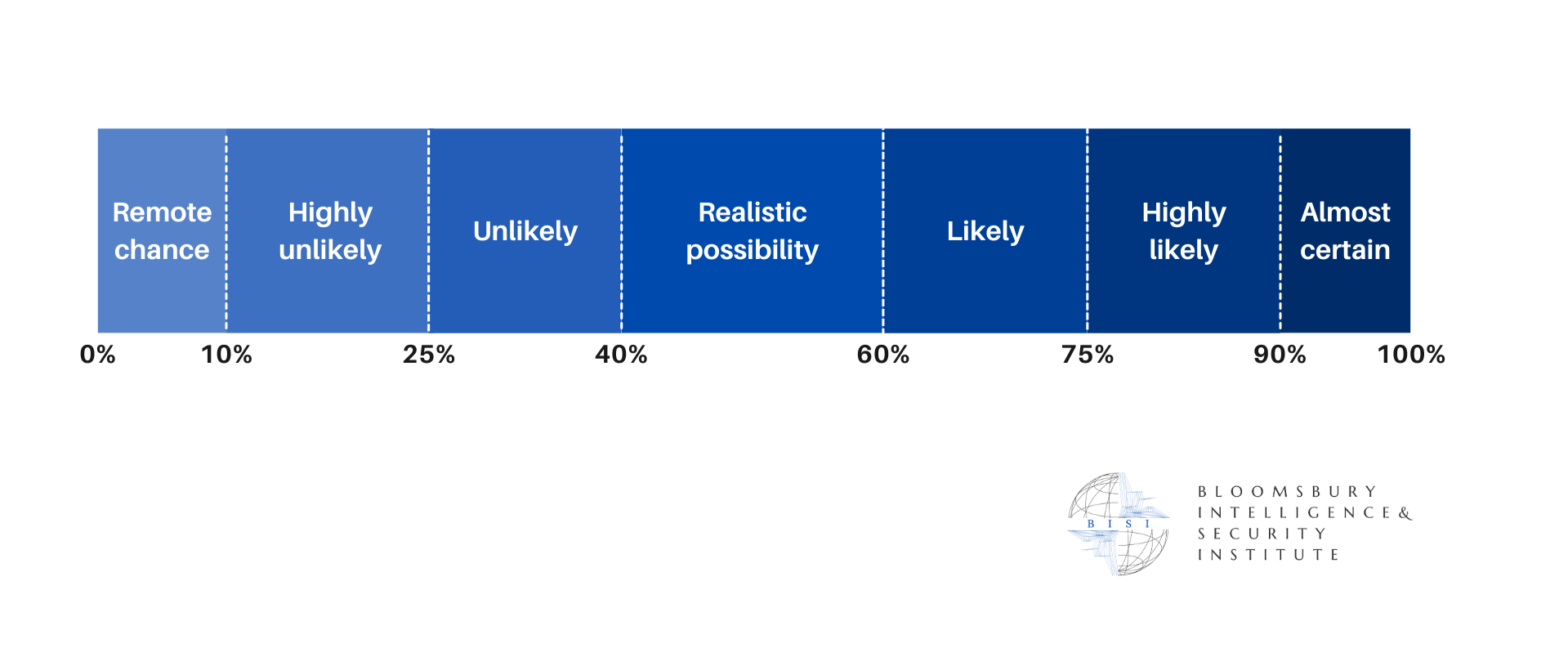
Broad bipartisan support means that the bill is highly likely to pass with Section 224 included. Support for Israel and Prime Minister Netanyahu has reached a historic low among the American public, due to accusations of genocide in Gaza, and faces bipartisan threats from marginal anti-Israel voices in both parties. This is unlikely to prevent passage of the FY27 NDAA, including the Section, given general congressional support for the current bill.
Recent exchanges of missiles between Israel and Iran, and Israeli operations in Lebanon, have strained the US’s attempts at détente in the Iran War, heightening tensions between Israel and the US. This is unlikely to prevent the passing of the FY27 NDAA in Congress, as Trump appears unwilling to significantly publicly antagonise Israel during the negotiation process. Though current tensions between the US and Israel have heightened during the Iran War, they do not represent an erosion of their alliance.
The Section would increase US-Israeli military ties, likely benefiting Israel significantly through increased access to US military technology development and potentially integration of Israeli technology within the US military. The Section does not represent a merger between the two militaries, as it is limited to technology cooperation, but it forges legislative and contractual links between the US and Israeli public and private sectors. This would likely present a challenge for a potential Democratic Congress elected in the Nov 2026 midterm elections, which may seek to reduce ties with Israel, or for any future administration seeking to do the same. The legislation, combined with the US and Israel’s shared regional interests in their current conflict with Iran and the strength of the Israeli lobby in Washington with AIPAC, means that the enhancement of US-Israeli military and technological links is likely to continue.

White House/Wikimedia
Forecast
Short-term (Now - 3 months)
Section 224 is highly likely to remain within the FY27 NDAA, with its key terms retained during the legislative process.
Medium-term (3 - 12 months)
The FY27 NDAA is highly likely to pass, including the key provisions of Section 224, even in the face of potential public and media backlash.
Long-term (>1 year)
Further integration of the US and Israeli militaries is uncertain, depending on the outcome of the Nov 2026 midterm elections. A Republican Congress is likely to continue deepening military ties with Israel.
A Democrat Congress is unlikely to further deepen military ties with Israel, but is highly unlikely to significantly alter the key terms of the FY27 NDAA after it is passed.