
Trump Peace Plan Moves to Phase Two: Will Gaza Ceasefire Hold?
By Neil Robertson | 9 February 2026
Summary
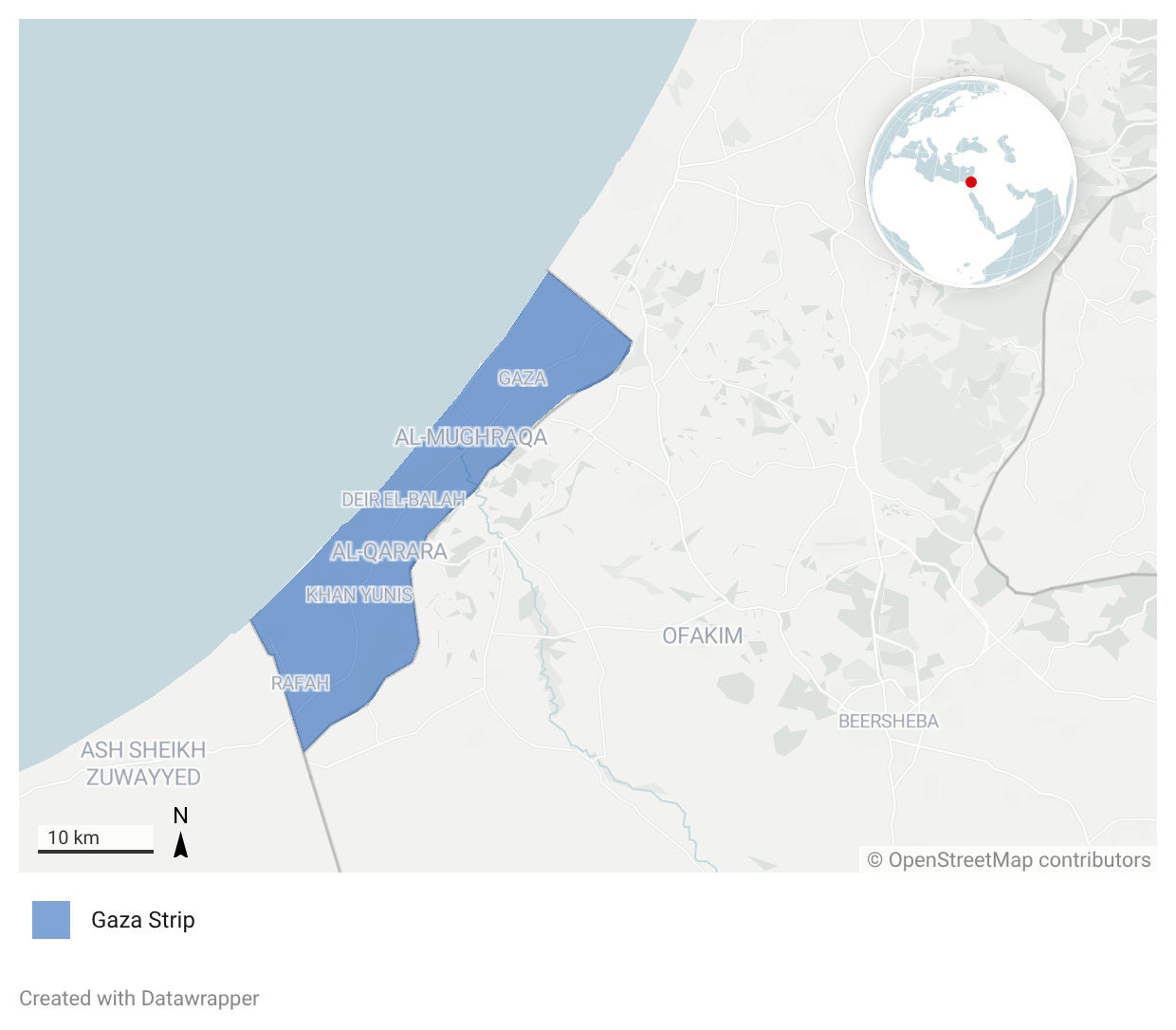
The United States (US) and Israel have both announced the beginning of Phase Two of the UNSC Resolution 2803 Gaza ceasefire.
Phase Two emphasises moving from ceasefire towards disarmament of Hamas, the formation of a technocratic administration, and reconstruction of Gaza. Commentators have widely described this phase as much more difficult than phase one.
The ceasefire is inherently unstable, as both Hamas and Israel hold irreconcilable positions, raising the strong prospect of renewed large-scale fighting.
Context
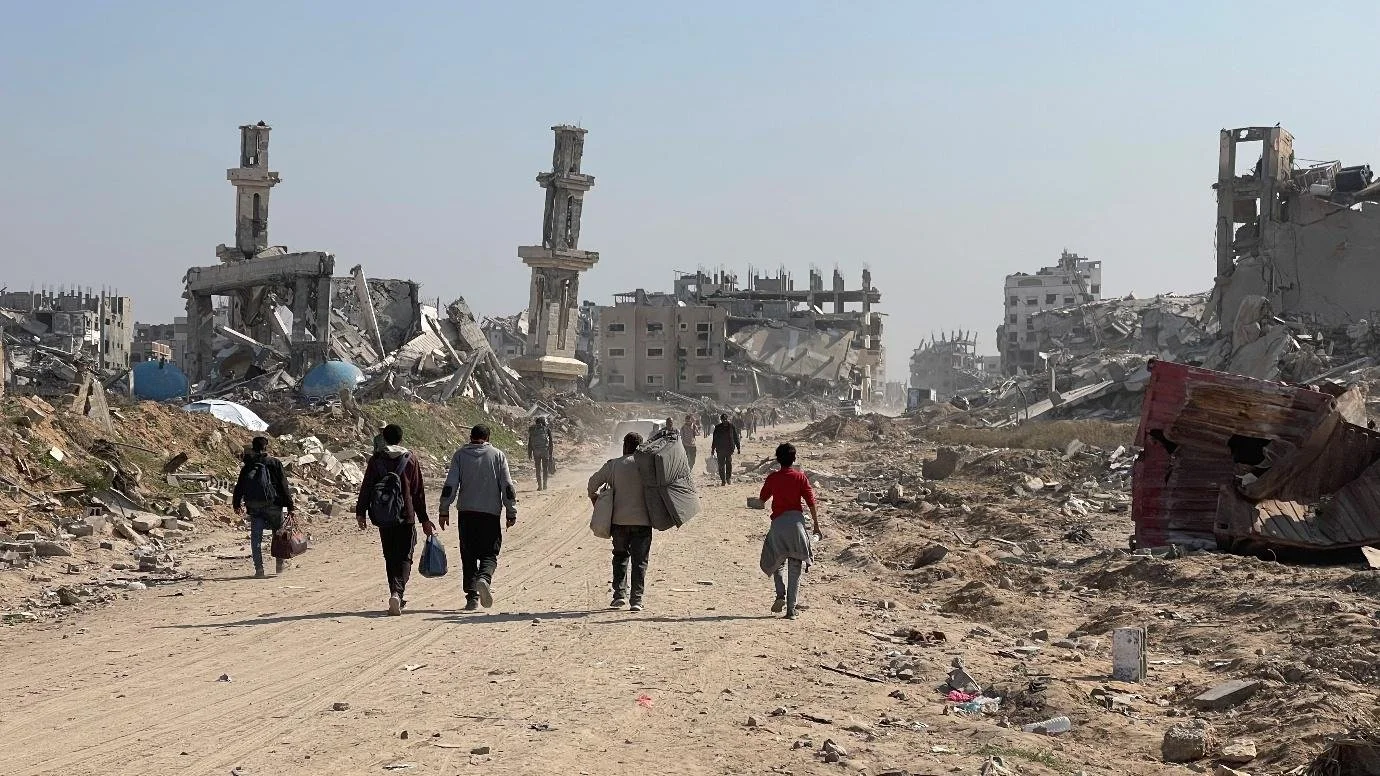
On 29 September 2025, the US-President Donald Trump announced his vision of the ‘Gaza Peace Plan’ – a ceasefire agreement which aimed to bring to a halt one of the deadliest wars in the Middle East in recent history. On 9 October, Trump’s plan went into effect and was later ratified by the UN Security Council on 17 November 2025 under Resolution 2803. The Plan calls for a three-stage implementation of measures to bring peace to the region and reconstruct the heavily damaged Gaza Strip. Phase One has been broadly successful, seeing the return of all Israeli hostages, an increase (albeit insufficient) of humanitarian aid and a relative decrease in hostilities between both sides. That said, the initial stage has not been without its difficulties, with the Gaza health ministry claiming Israeli fire has killed at least 490 people since the ceasefire began and Israel claiming four soldiers killed.
On 15 January 2026, US Special Envoy to the Middle East, Steve Witkoff, announced the initiation of Phase Two of the Gaza Peace Plan. Phase Two seeks to move towards the disarmament of Hamas, the formation of a technocratic administration to run the territory, and the reconstruction and development of Gaza.
Implications
Widely believed to be far more challenging than Phase One, the implementation of Phase Two faces serious opposition from both Israel and Hamas. For Hamas, the key issues moving forward are the twin problems of their disarmament and their role in the governance of Gaza moving forward. The Trump administration has made repeated statements that it expects the group, currently de facto rulers of the western section of the Gaza Strip, to disarm forthrightly. What this disarmament will look like, however, is still yet to be clarified, with Hamas previously stating that it was willing to ‘freeze’ some of its heavier arms in return for political concessions but rejecting full disarmament.
Hamas is highly unlikely to accept demands that it transform into a purely political organisation akin to the IRA’s evolution in Northern Ireland. Indeed, Hamas has instead insisted on contributing up to 10,000 police officers to any future security architecture in Gaza under the proposed National Committee for the Administration of Gaza (NCAG), underscoring the increasingly implausible nature of full Hamas disarmament. Historically, many successful cases of transitional justice have involved the incorporation of former regime or opposition armed groups - often themselves responsible for terrorism or atrocities - into the security institutions of the new political order. Excluding Hamas from the security services of a ‘new Gaza’ raises profound practical and strategic problems: any force drawn from the Gazan population that is unaffiliated with Hamas would likely be rapidly penetrated or challenged by it, would face competition from armed gangs reportedly supported by Israel within the Strip, and would almost certainly lack the training and legitimacy required to secure such an environment.
Forecast
Short-term (Now - 3 months)
Phase Two negotiations are likely to stall or proceed only superficially due to irreconcilable positions over Hamas disarmament and governance.
The ceasefire will remain fragile but largely intact, likely punctuated by sporadic violence and limited Israeli strikes.
Medium-term (3-12 months)
Efforts to impose a technocratic administration without meaningful Hamas inclusion are likely to fail or exist only nominally, as Hamas retains de facto coercive power within Gaza.
Growing frustration among Israeli leadership, combined with unmet security objectives, increases the likelihood of a return to sustained military operations.
Long-term (>1 year)
Absent a political framework that integrates Hamas, Gaza is likely to remain trapped in cyclical instability, oscillating between ceasefires and renewed conflict.
Attempts to forcibly exclude Hamas from Gaza’s future security architecture risk long-term radicalisation and fragmentation, potentially producing a security environment comparable to post-2003 Iraq, with multiple armed actors and weakened governance.
