Trinidad’s Continuous State of Emergency
By Gabriel Perkins | 22 June 2026
Summary
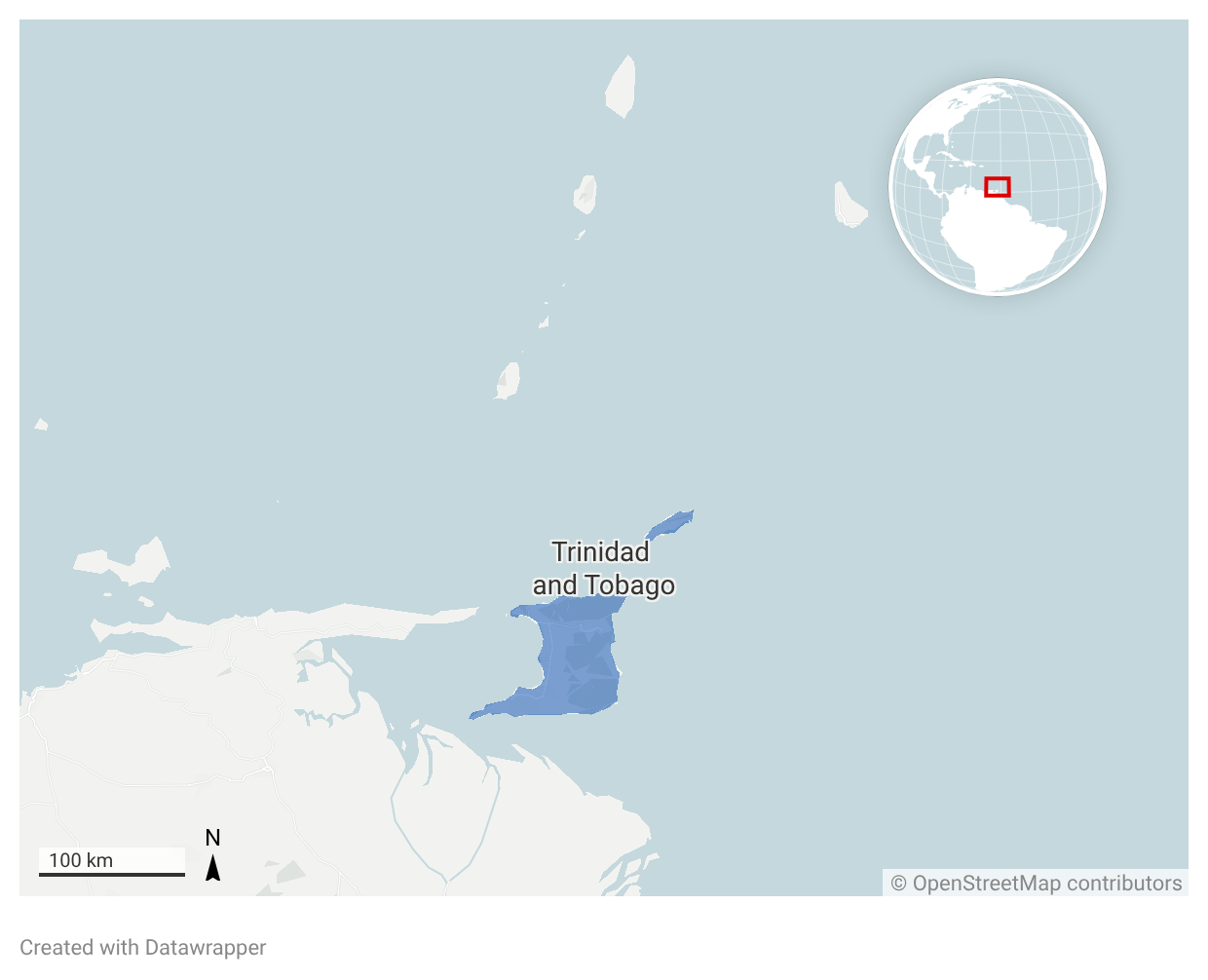
Trinidad and Tobago’s government is seeking a further three-month extension of the current State of Emergency (SoE) before it expires on 17 June 2026. This is the third such declaration since December 2024. The country has spent approximately 10 of the past 14 months under a SoE.
Emergency powers are credited with bringing about a 42% fall in murders in 2025, but rely on the suspension of civil liberties. This has created opposition threats of a constitutional challenge, and critics say the emergency powers leave the underlying drivers of violence unaddressed.
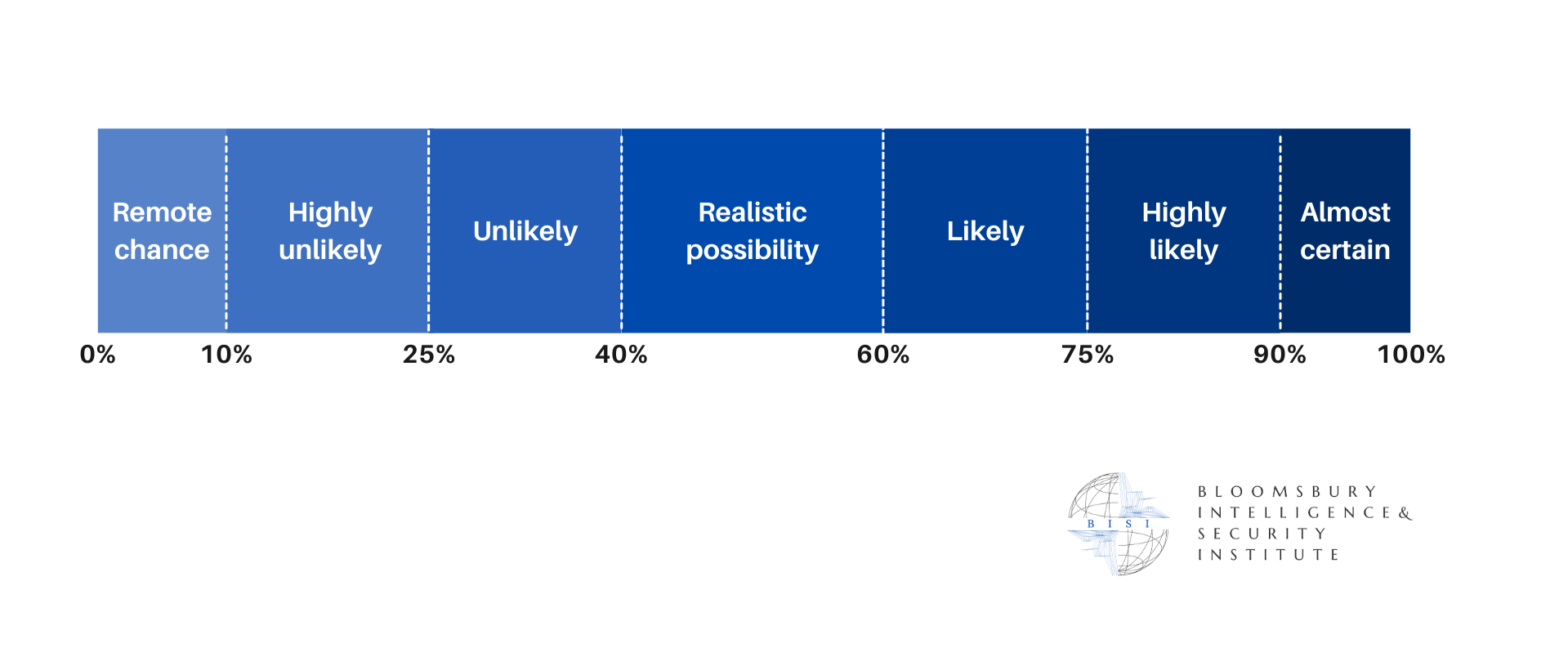
Parliamentary approval of the extension is highly likely, but the permanence of the security gains beyond the SoE remains the primary concern, with violence likely to reignite if firearms inflows and gang recruitment are not curbed.
Context
The Trinidad and Tobago government, led by Prime Minister Kamla Persad-Bissessar, is seeking approval in parliament to extend the current SoE, which is set to expire on 17 July 2026. The current SoE was imposed on 3 March 2026 by President Christine Kangaloo on the advice of the National Security Council (NSC). The SoE grants security forces the power to arrest, search without a warrant and detain suspects. This SoE is the third since December 2024. Under the former administration led by Prime Minister Keith Rowley, emergency powers were invoked against organised gang violence, leaving the country under emergency rule for roughly 10 of the past 14 months. Persad-Bissessar attributes a declining homicide rate to the measures. Murders dropped to 369 in 2025, a 42% decline and the lowest annual total since 2014, with the homicide rate falling from 45.7 to 27 per 100,000. The government has justified the current SoE, citing a criminal network operating inside and outside the prison system, assessed as targeting senior officials and state institutions.
Implications
The repeated use of emergency powers has become a primary tool of the government’s security policy rather than an exceptional response. The reduction in murders is significant, and InSight Crime significantly attributes the 2025 fall in murders to the SoE. The gains made come at the cost of the suspension of normal legal protections, leading to warrantless arrest, search, and detention without charge, as well as no evidence supporting the murder rate staying at the 2025 level once the emergency powers come to an end. Persad-Bissessar has reported 373 detentions under the current SoE, and the authorities have imposed 15 zones restricting public protest, including near Parliament.
The extension is politically contested. The opposition People’s National Movement (PNM), led by Opposition Leader Pennelope Beckles, has signalled a possible constitutional challenge, arguing that the powers are being used excessively and may infringe on civil rights. Thirteen trade unions have objected to the protest restrictions, and business groups remain divided over the extension. The government holds a parliamentary majority and is positioned to secure the extended SoE, although a successful legal challenge by the opposition would constrain future use of the powers.
The pattern reflects a wider regional trend, with El Salvador and Honduras having repeatedly prolonged emergency powers. Honduras has kept a state of emergency in place since December 2022 through successive renewals, which the United Nations (UN) human rights office has criticised, as it has allegedly led to arbitrary detentions and other abuses. Critics claim the primary issue with emergency powers is that they suppress the violence without addressing it at its root causes. Trinidadian gangs remain armed largely through firearms trafficked from the United States (US). The United States Government Accountability Office (GAO) found that 73% of 7,399 firearms recovered in the Caribbean and traced between 2018 and 2022 were sourced from American suppliers. Sustained suppression, therefore, relies on institutional reform that emergency powers alone cannot deliver.
There are also economic and reputational impacts on the twin island nation. Prolonged emergency powers, foreign travel advisories, and restrictions on assembly impact investor confidence and the tourism sector, while the normalisation of detention without charge carries longer-term risks for judicial credibility and public trust.
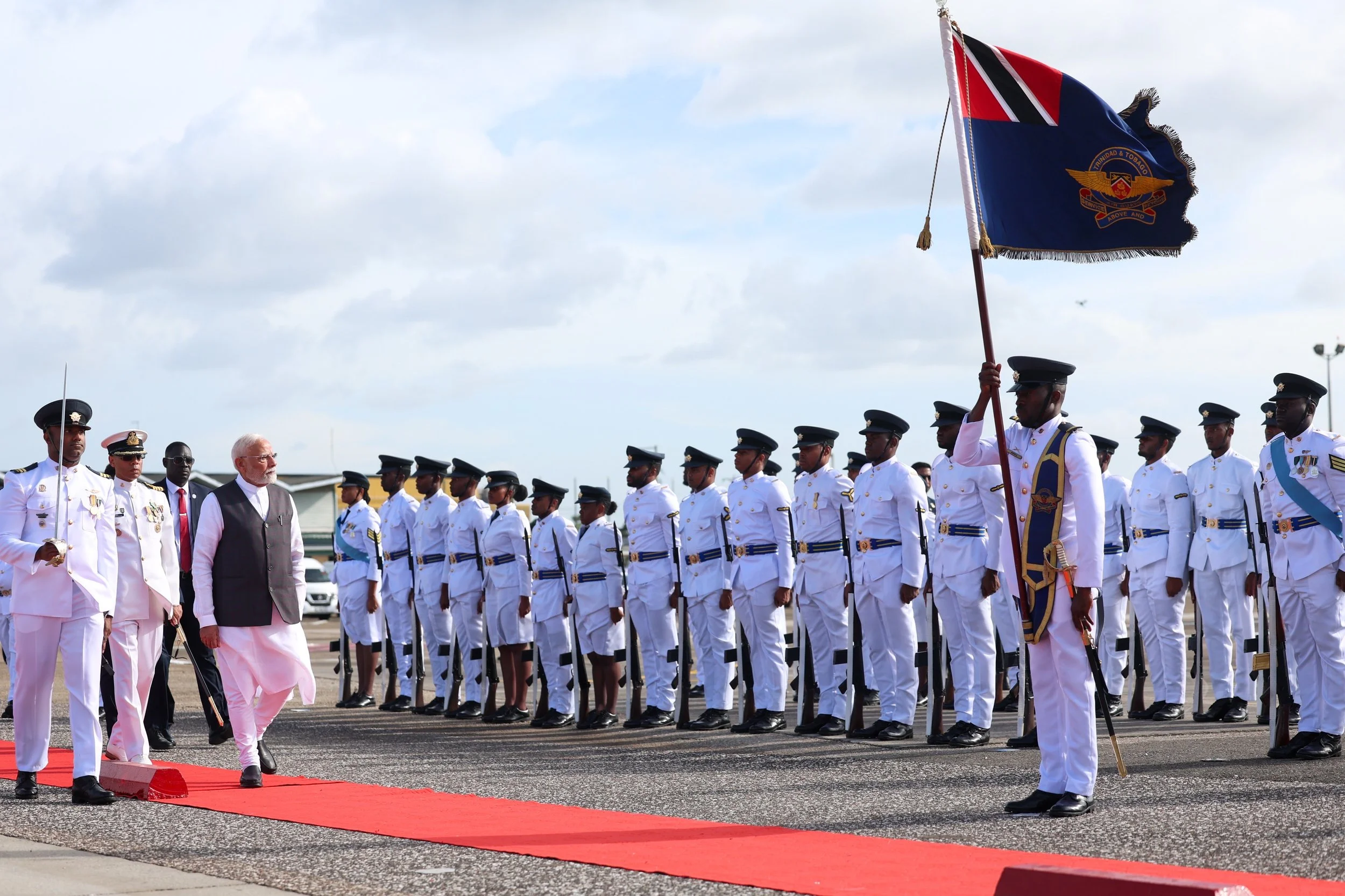
MEAphotogallery/Flickr
Forecast
Short-term (Now - 3 months)
It is highly likely that Parliament will approve a further three-month extension of the SoE before 17 June 2026, given the governing coalition’s majority, keeping emergency powers in force into September 2026.
Medium-term (3 - 12 months)
There is a realistic possibility that the opposition or civil society groups will mount a constitutional challenge to prolonged emergency rule, which, if upheld, would restrict the government’s ability to renew the powers and force a return to ordinary enforcement.
Long-term (>1 year)
It is likely that homicide rates will rise from their 2025 lows once emergency powers are withdrawn, unless trafficked firearms and gang recruitment are reduced through institutional reform beyond 2026.