The Role of Youth in Sweden's Organised Crime
By Kira Persson | 3 March 2026
Summary
Swedish criminal networks increasingly exploit minors, some as young as 13, to carry out high-risk, high-visibility operations, including drug running, bombings, and contract killings.
Recruitment is driven by a convergence of legal loopholes, socioeconomic marginalisation, access to digital platforms, and increasingly fragmented gang structures where violence is more easily outsourced to younger individuals. In 2024 around 1,700 minors were actively involved in Swedish criminal networks.
Effective mitigation requires a combination of preventive social programs, targeted digital disruption, credible exit pathways, and calibrated legal reforms that address both systemic drivers and the outsourcing of violence to children.
Context
Sweden is confronting an acute shift in organised crime: the systematic recruitment of children into criminal networks, including as perpetrators of lethal violence. Between 2015 and 2023, recorded offences linked to children under 15 more than doubled. One of the most consequential changes in the criminal landscape since the mid-2000s is the falling age of those involved in gun violence.
Most recruited children perform high-risk, low-skill tasks — storing, transporting and selling drugs; handling weapons; and carrying out extortion, robbery and fraud. In 2024, Swedish police estimated that around 1,700 minors were actively involved in criminal networks—about 13% of all participants—while a further 3,700 had connections to such networks. Recruitment is often age-tiered. Older adolescents (15–20) draw in younger children (12–15), often through existing social ties. Using younger children as runners allows older adolescents to distribute larger quantities of drugs and generate more revenue — a prerequisite to “advance” within the network. Although Sweden’s criminal landscape has become increasingly fragmented at the macro level, recruitment chains at the street level remain structured and hierarchical by age. Loyalty flows upward; strict discipline is imposed downward. Legal asymmetries reinforce this structure. Those aged 15–17 receive substantial sentence reductions, while children under 15 cannot be sentenced under criminal law, making minors strategically valuable as operatives.
Shifts in the broader criminal environment have increasingly turned younger individuals into instruments of violence. A report by Brå maps a move away from hierarchical networks with internal regulation of violence, toward more fragmented and individualised constellations. The narcotics market remains the primary engine of organised crime, but violence has become less restrained and more transactional. In this environment, gun violence is often outsourced to inexperienced younger individuals who face lower judicial consequences, distancing senior leadership from liability. In earlier hierarchical gangs, status derived from seniority and embeddedness within stable structures. In today’s transactional environment, reputation can be earned rapidly through visible acts of violence.
Four roles have been identified in the typical “violence chain”. At the top sits the instigator, who orders and finances the crime—often from abroad. Recruiters identify and approach perpetrators, usually via encrypted messaging services and social media platforms. Enablers arrange weapons, transport, and safe houses. At the bottom sits the perpetrator—often a minor with little or no criminal record and weak formal ties to the network.
Outlook and Implications
Social segregation and rising inequality remain structural drivers of child recruitment. Historically, this was concentrated in “vulnerable areas” — neighbourhoods with low socioeconomic status where criminal networks yield influence by controlling local businesses and dictating social behaviour through fear and coercion. State care institutions, including HVB homes intended to protect at-risk youth, have also become recruitment nodes.
Yet recruitment is no longer geographically confined. Digital platforms and a romanticised image of a criminal lifestyle—fast money, luxury goods, and instant status—enable recruiters to reach children across socioeconomic lines. Murder contracts, often framed as “challenges” or “missions”, circulate on mainstream social media platforms and encrypted apps. The time span from approaching the perpetrator to action can be as little as 48 hours.
As criminal networks are increasingly leveraging violent methods to extort and influence legitimate companies rather than just rival networks, minors are also used too. Last year, a 15-year old boy was convicted for carrying out an explosion outside a residence in Stockholm linked to a high-ranking executive at Warner Music. The company had previously been targeted for working with the Gothenburg rapper C Gambino, who was shot dead in 2024 in a conflict that the police linked to criminal gangs.
The Swedish government has proposed reducing the incentives to recruit minors, including lowering the age of criminal responsibility from 15 to 13 for the most serious offences and removing sentence reductions for 18- to 20-year-olds. Additional proposals would empower the Swedish Police Authority to require online platforms to remove recruitment content. Whether punitive recalibration alone will deter recruitment is uncertain, as it fails to address grooming dynamics, desensitisation tactics, including exposure to violent videos and drugs, and socioeconomic drivers. Critics argue that lowering the age of criminal responsibility risks pushing networks to recruit even younger children.
Preventive and exit initiatives are expanding. In 2024, the non-profit Fryshuset launched a program combining helplines, mobile teams and individual coaching for under-20s seeking disengagement. Multi-agency strategies modelled on focused deterrence, such as “Stop Shooting” in Malmö, also appear to have sustained reductions in shootings and improved coordination between police, municipalities and social services. At the European level, Europol’s Operational Taskforce GRIMM, originally led by Swedish police, targets the rising trend of violence-as-a-service (VaaS) and the recruitment of young perpetrators.
Sweden’s experience demonstrates that the involvement of children in criminal networks is not incidental but strategic. Continued reliance on minors risks producing hybrid networks: insulated leadership abroad, digitally coordinated violence, and highly disposable child operatives. That model fragments responsibility and complicates prosecution. Effective responses distinguish between general youth involvement and the outsourcing of shootings. Preventive social programs, targeted digital disruption, credible exit pathways, and calibrated legal reforms will all be required if adolescence is no longer to function as a logistical resource in Sweden’s organised crime economy.

Forecast
Short-term (Now - 12 months)
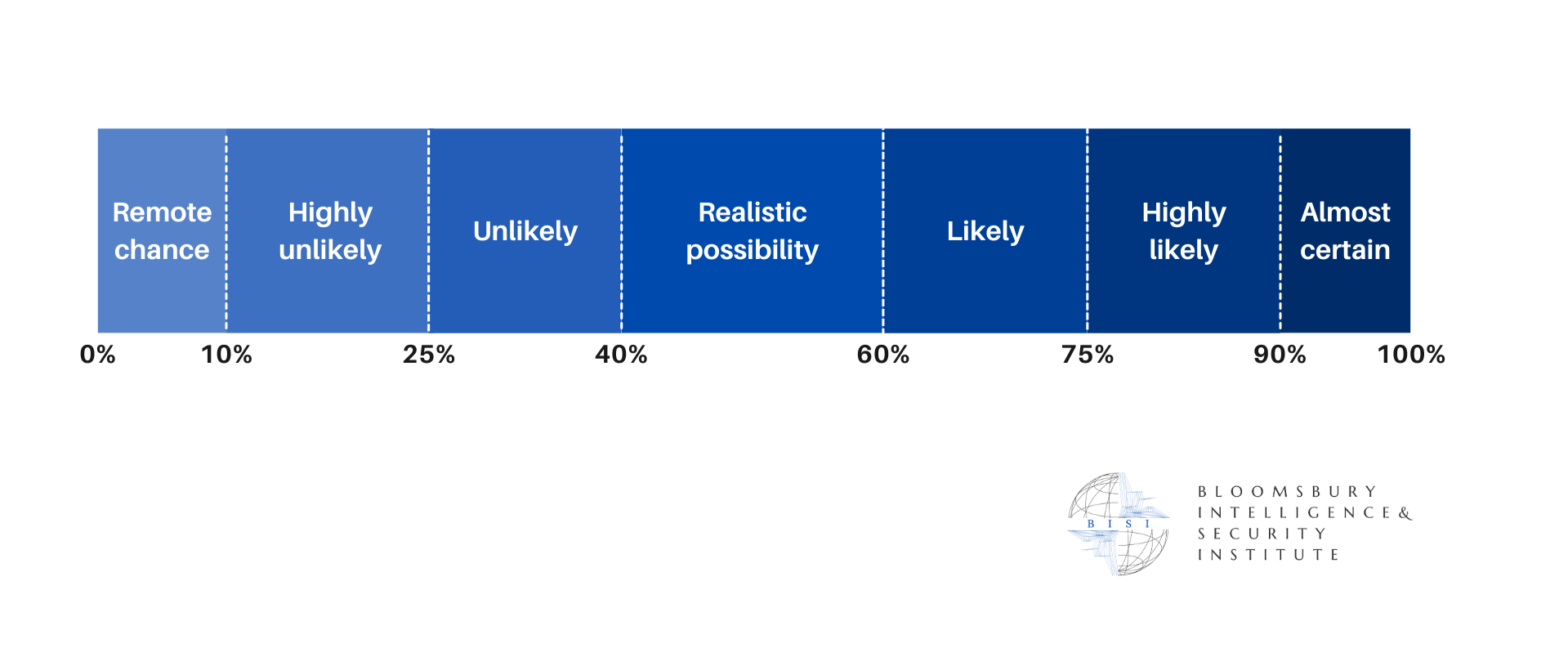
It is highly likely that criminal networks in Sweden will continue recruiting minors for high-risk violent acts, with digital platforms enabling faster and wider targeting. The use of explosives will likely remain a prominent intimidation tool, including in extortion targeting businesses.
Long-term (>1 year)
As law enforcement improves digital surveillance and cross-agency coordination, networks may shift toward even younger, less “visible” recruits (under 12) or move into increasingly international command structures to evade Swedish jurisdiction. This could permanently leave the “street level” of Swedish organised crime populated predominantly by minors, while leadership remains insulated abroad.