Syria's Military Rebuilding Caught between Turkey and Israel
By Elisa Guillen | 8 October 2026
Summary
Israel perceives Turkish military assistance in Syria as a threat to their national security, which traps Syria in a complicated situation where they need Turkish assistance to secure their territory.
Israel’s bombings suggest that they are concerned that Syria’s access to certain defence technologies, such as air defence systems, would limit its military capacity in the region.
Without robust military capabilities, Syria’s ability to govern its territory and address its security threats will be challenged, which is highly likely to further destabilise the region.
Context
Since the fall of the Assad regime in December 2024, Turkey has played a central role in the Syrian reconstruction efforts. Conversely, Israel has had an adversarial attitude towards the new Syrian regime, engaging in the bombing of military infrastructure and occupying the Golan Heights.
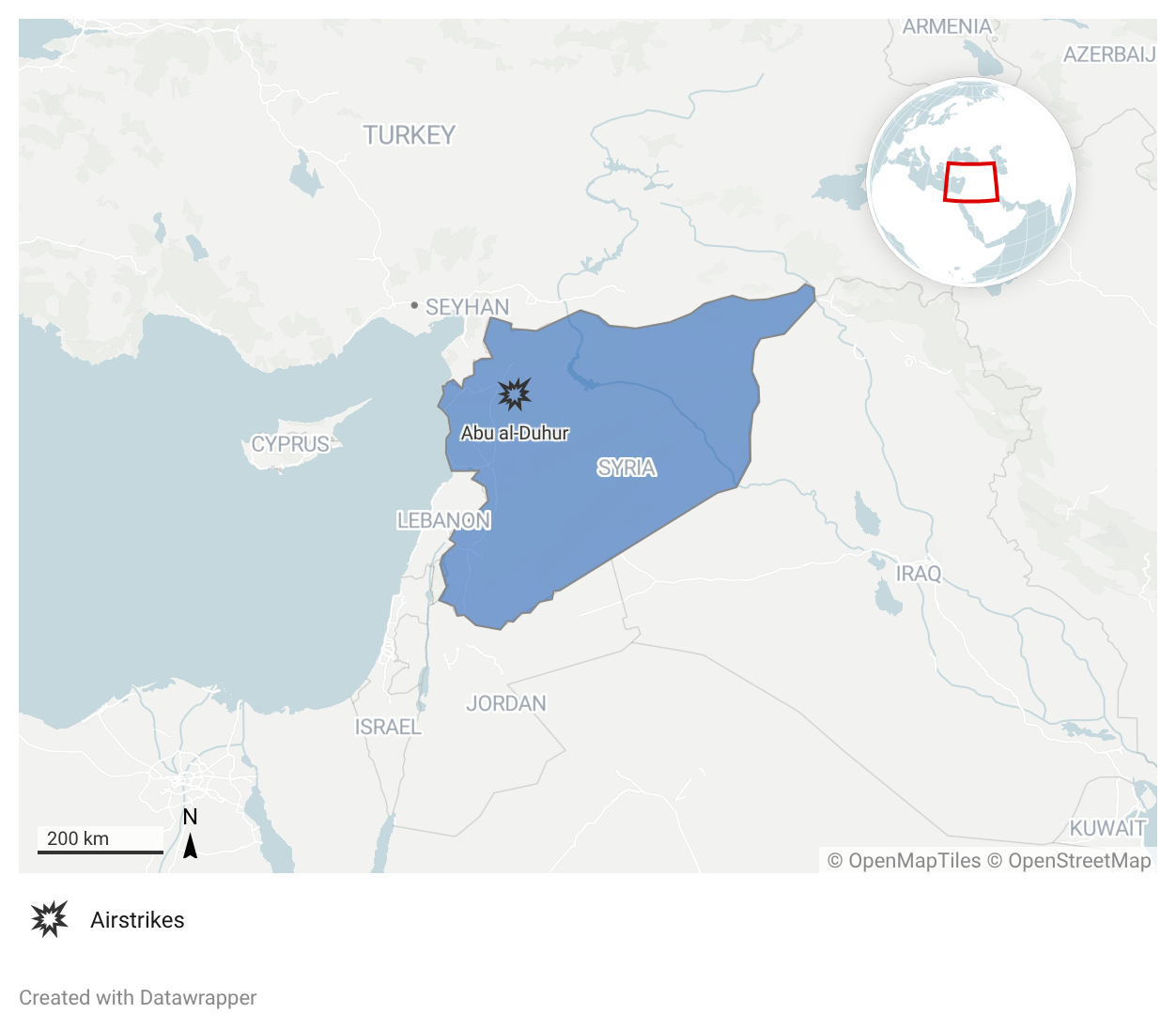
Although Israeli bombings stopped in March 2026, with Israel and Syria slowly working towards a security agreement, growing tensions between Turkey and Israel are hindering negotiations. On 18 August 2026, Israel carried out airstrikes on the military base of Abu al-Duhur. The bombing took place after Israel expected the imminent deployment of Turkish troops and materiels to the military base. Israel warned Syria that the deployment of Turkish military in Syria was a red line for it and considered it a threat to its security. Additionally, Israel suspects the deployment of Turkish air defence systems in Syria.
Although diplomatic talks quickly emerged between Israel and Syria following the attack, tensions between Israel and Turkey remain ongoing and are escalating. At the United Nations Security Council (UNSC) meeting on 17 September, the representative of Israel accused Turkey of being “about taking over a neighbouring country”, while Turkey accused Israel of undermining Syrian stability.
Implications
These tensions between Turkey and Israel constrain the Syrian military capabilities. Syria is placed in an impossible situation: It needs Turkish assistance to rebuild its infrastructure, including military infrastructure. This is because years of civil war and Israel's strategic bombing of military infrastructure following the fall of the Assad regime have severely weakened the country's military capabilities. However, Turkey's extended assistance in Syria is a key contributor to the emergence of Israel’s concerns about Syrian military capabilities.
Israel’s position on what constitutes a threat to its security has evolved. Initially, Israel focused on limiting the threat to its northern border. Now, Israel seeks to look out for the technology that Turkey could deploy in Syria and share with the Syrian army, which is a direct neighbour of Israel. The deployment of air defence systems in Syria would reduce Israel's air dominance in the region. If Syria relies too heavily on Turkish assistance, Israel will perceive it as a threat. This would slow the reinforcement of Syria’s military capabilities both due to Israel’s targeting and the disincentive for Syria to develop its military infrastructure, as it would make them direct targets.
The bombing not only diminishes the Syrian military capabilities, but can also affect the country’s stabilisation process. Strong military capabilities are an asset for the Syrian government to control its territory and handle domestic issues such as the ISIS presence in the North of the country, the integration of the Syrian Democratic Forces (SDF) into the army and dealing with supporters of the former regime. These domestic problems can easily become regional if Syria cannot stop them. For instance, Syria used to be a key route for Iran to transfer arms to Hezbollah. If Syria lacks resources to combat arms trafficking, it will influence the regional network of weapons.
Paul Keller/Flickr CC BY 2.0
Forecast
Short-term (Now - 3 months)
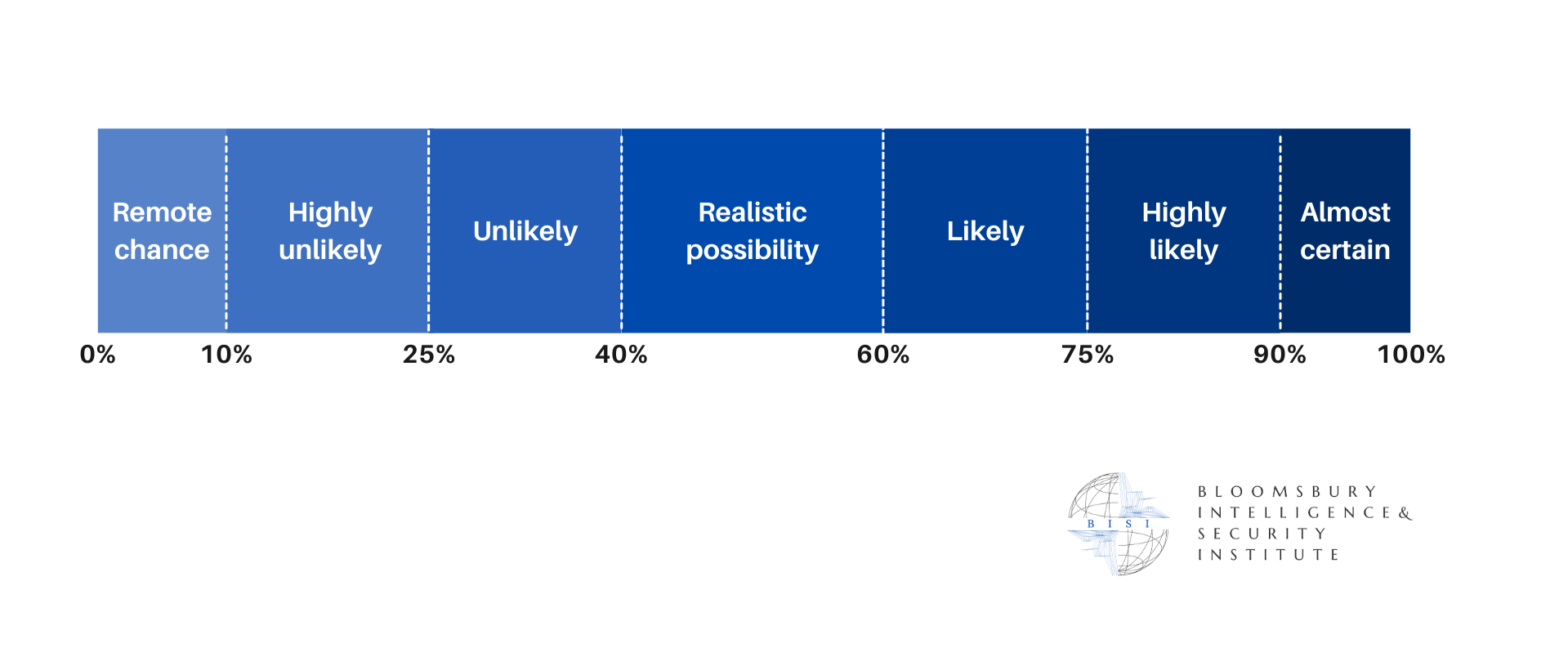
A return to the status quo is highly likely to happen between Syria and Israel but a security agreement is highly unlikely. Israel does not benefit from a fully destabilised Syria which could lead to spill-over effect onto Israel (arm traffic to Hezbollah).
Medium-term (3 - 12 months)
Israel is likely to continue occasional preventive actions in Syria, slowing Syria’s state consolidation. Crises like the one on 18 August are to be expected between Israel and Turkey, but the battle for influence might not be over Syria but another country of contention like Cyprus.
Long-term (>1 year)
It is highly likely that tensions between Israel and Turkey will increase, but unlikely that they will escalate into a proxy war in Syria. Neither country has directly intervened in the other’s main interest’s sphere (Kurds for Turkey and border for Israel) and avoided military escalation.