Reliance on Desalination: Strategic Targets in the Middle East
By Trishnakhi Parashar | 30 March 2026
Summary
Desalination has evolved from a basic utility into a critical pillar of water security and a primary lifeline sustaining cities and essential industries in the Middle East region.
Recent military strikes on desalination plants in Iran and Bahrain have revealed these facilities as some of the most vulnerable targets in the region.
Such disruptions are capable of cutting off water supplies to millions within a short span of time, potentially triggering severe humanitarian crises and amplifying socio-economic instability across the region.
Context
The Middle East is one of the most water-scarce regions in the world, which has compelled many of them to depend heavily on seawater desalination to supply drinking water to their populations. Over 400 desalination facilities currently operate along the Arabian Gulf coastline, producing water predominantly for drinking, as well as for industrial processes and power generation systems. The region is currently navigating its most precarious security crisis in decades, with longstanding norms protecting civilian water infrastructure increasingly eroding and raising serious concerns.
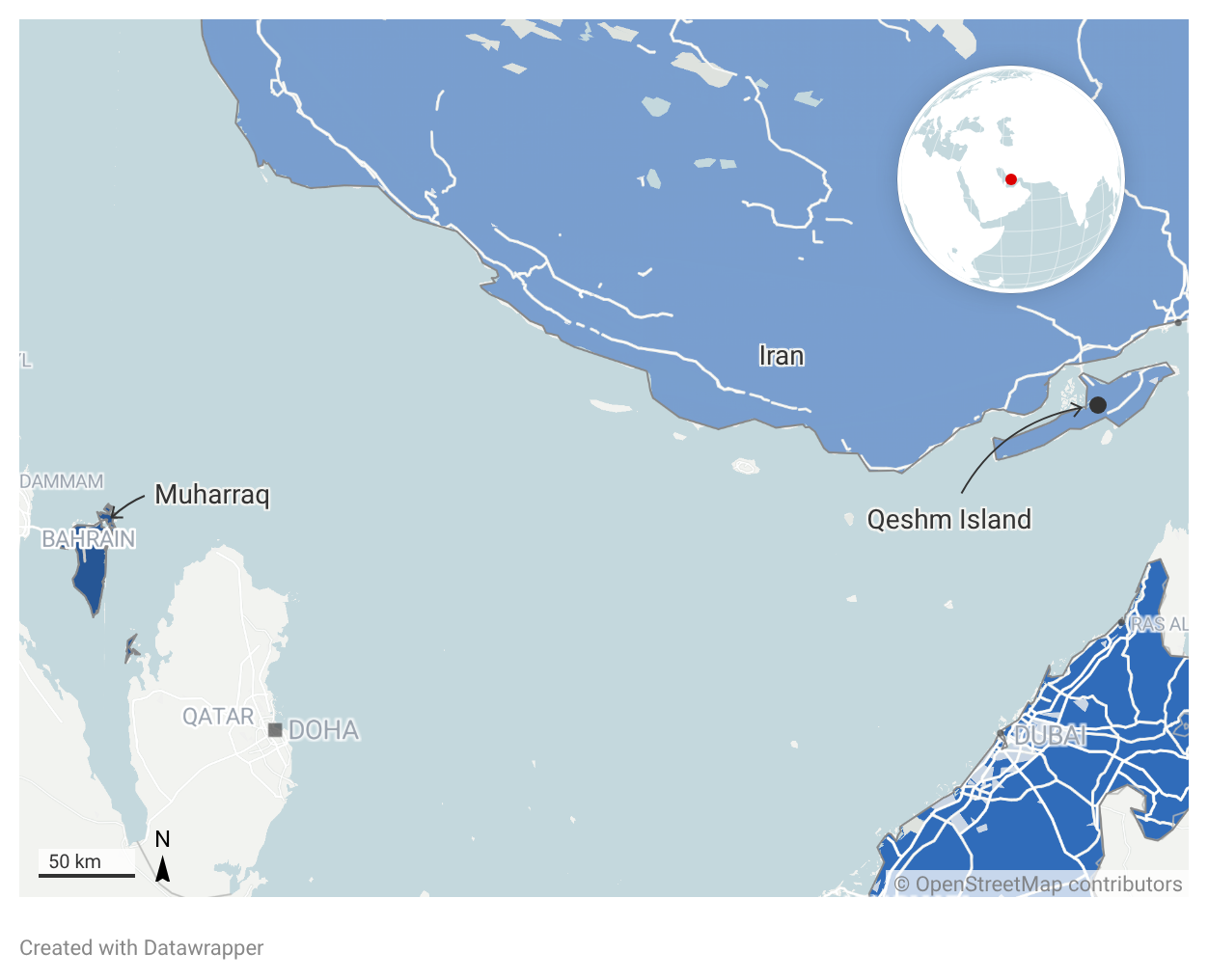
On 7 March 2026, Iranian Foreign Minister Abbas Araghchi accused the United States of attacking a freshwater desalination plant on Iran’s Qeshm Island, which impacted water supplies to around 30 villages. The facility, which is vital for the survival of the island’s arid climate, has been severely damaged as a result. The subsequent retaliation was swift and signalled a perilous new phase of warfare targeting desalination plants. The next day, on 8 March, Bahrain reported that an Iranian drone had struck a plant near Muharraq. While Bahraini authorities confirmed that the plant’s capacity remained stable, the strike caused significant material damage and injured three people.
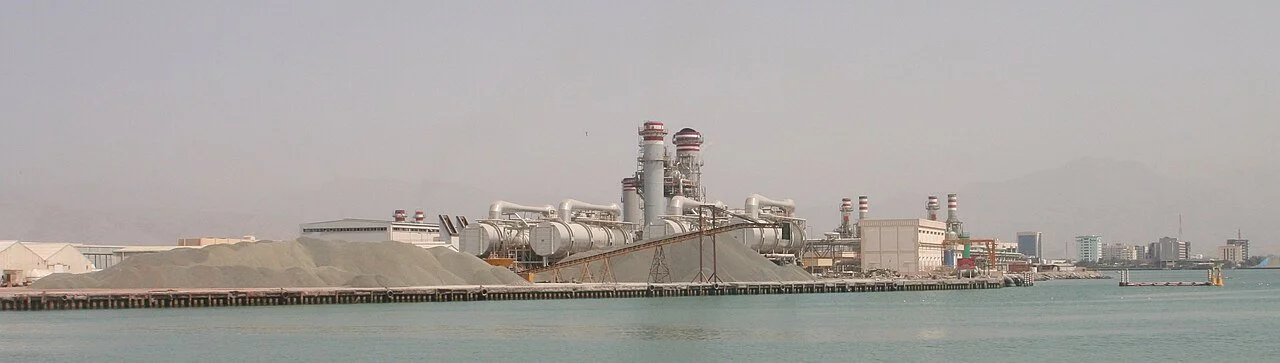
However, earlier incidents of indirect attacks, including reported strikes on the UAE’s Fujairah F1 power and water complex and Kuwait's Doha West desalination plant, suggest that the water infrastructure has been exposed to greater risk. The war has consequently uncovered the shift in priorities from expanding capacity for economic growth to invigorating facilities for national survival.
This escalation is the culmination of a decade of near-total reliance on the sea. The recent situation has shown the extreme vulnerability of desalination plants. In the Middle East, not all countries are equally water-scarce, but the majority of them lack relatively adequate freshwater resources. In countries where the majority of municipal water is desalinated, there are very few viable alternatives if the coastline becomes a war-zone. Therefore, sustained attacks on water facilities are likely to create humanitarian crises and economic disruptions across the Gulf states and potentially further escalate the conflict. Disruption to desalination plants could also have far-reaching environmental consequences, including worsening drought and driving over-extraction of groundwater. Any large-scale operational, technical, or structural damage to these plants can create a scenario where millions of people are left without reliable access to drinking water within a very short span of time.
Implications
Targeting water facilities risks significantly undermining diplomatic relations and escalating regional tensions. Governments in the region may face increased domestic pressure to respond decisively through more aggressive defence postures. Moreover, such actions could draw international scrutiny, particularly over compliance with international humanitarian norms governing the protection of civilian infrastructure.
Operationally, any significant damage to major desalination plants could disrupt water supply chains almost immediately, particularly in urban centres with limited alternative sources. The recovery timeline could be prolonged, ranging from several days for minor operational disruptions to several weeks in cases involving structural or equipment damage, depending on the scale of the attack. Nevertheless, it should be noted that the region is moving towards independent water projects using Reverse Osmosis (RO), which is more energy-efficient.
More generally, desalination plants are increasingly considered high-value strategic assets due to their regional importance, which in turn raises the security threat level. Recent attacks on these plants have prompted enhanced security measures, whilst the heightened threat environment has also increased the security risks faced by personnel working at these sites. Indeed, the plants are relatively easy to locate and, after 7 March, have almost overnight become soft targets to strike during escalation.
Water supply disruptions could also affect industrial operations, tourism, and energy production, particularly in economies dependent on stable infrastructure. Desalination plants are capital-intensive, and additional operational and security requirements make them even more costly to maintain. The security premium for securing these plants has likely increased since the March strikes. So, even economically, the growing threat situation is placing a heavier burden on governments and operators.
Octal/Wikimedia
Forecast
Short-term (Now - 3 months)
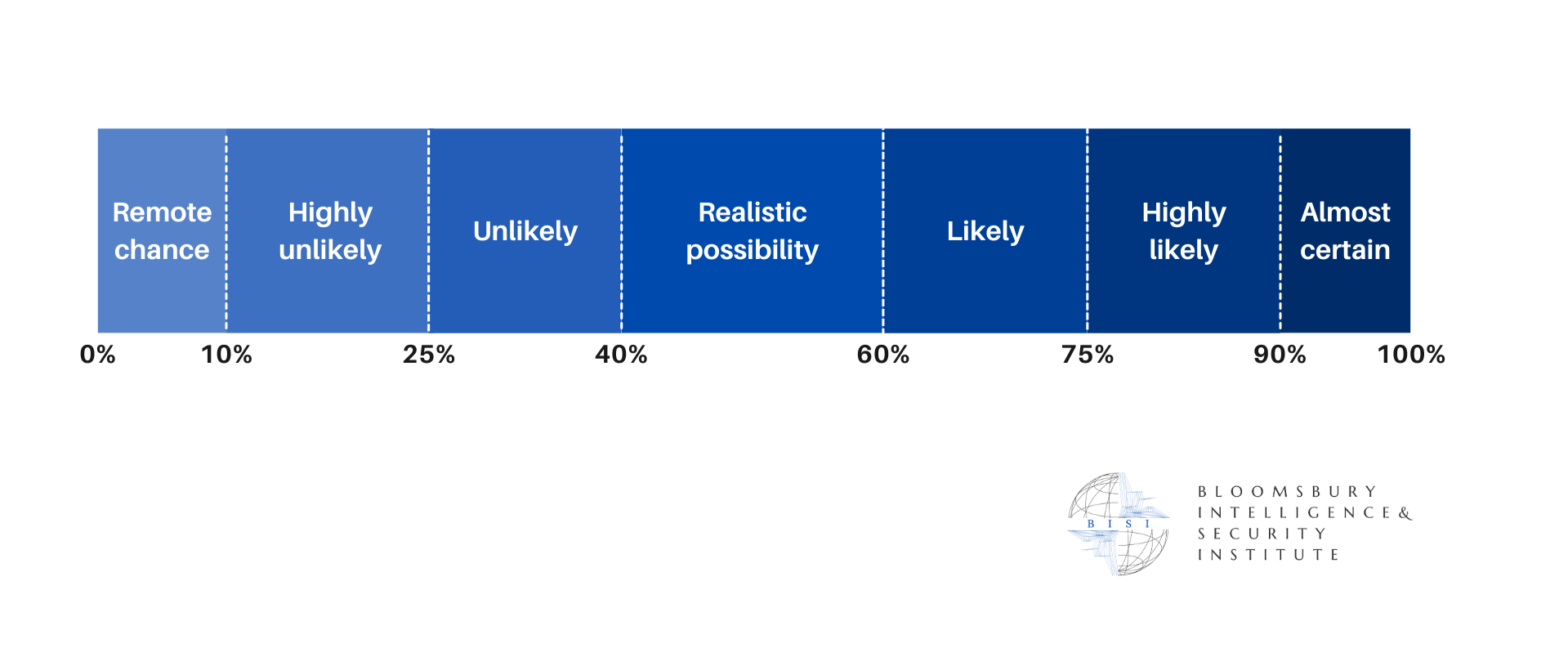
There is a realistic possibility that Iran will continue tit-for-tat retaliatory strikes against regional infrastructure following attacks on its own facilities. Therefore, the security of desalination plants in the Gulf states may increasingly depend on whether Iranian facilities are targeted again.
Following the recent strikes, the Gulf states will likely increase security and monitoring around desalination plants.
If a major desalination facility is successfully targeted, then it would likely trigger an immediate regional water blackout, forcing a total reliance on reservoirs that might offer only a few days before a full-scale humanitarian crisis begins.
Telephonic conversations among regional leaders are likely to take place to avoid such strikes on water hubs.
Medium-term (3 - 12 months)
Gulf states are likely to expand water storage capacity and enhance the infrastructure security of desalination plants.
Long-term (>1 year)
A formal Pan-Arab water security treaty banning attacks on any desalination plants, which serve as a critical lifeline for this region, is a realistic possibility.