By Anna Belcikova | 30 March 2026
Summary
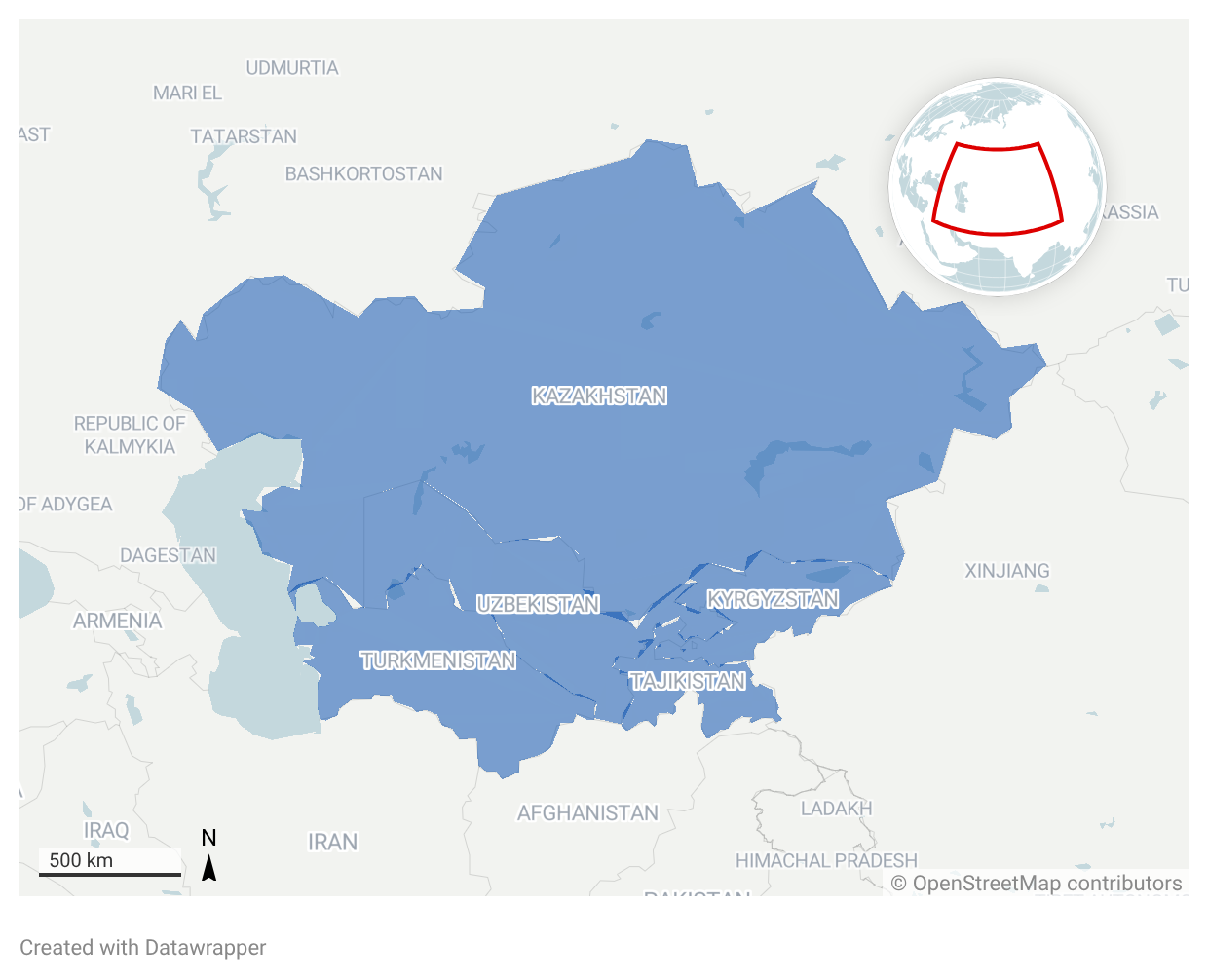
The first Japan-Central Asia summit was held in mid-December 2025. All five Central Asian leaders were present, and the agenda focused on strengthening bilateral ties.
The outcomes reflect positive domestic economic implications for Central Asian countries, with benefits from joint projects in the energy, digital, and logistics sectors. Geopolitically, the partnership reflects Central Asia’s multi-vectorism and growing international presence.
Both parties will likely consolidate and further develop this partnership, strengthening institutional frameworks and expanding cooperation in diverse sectors, while simultaneously navigating a potentially more competitive geopolitical environment, as other major stakeholders engage with Central Asia.
Context
The first Japan-Central Asia Summit was held in Tokyo between 19 and 20 December. Leaders of all 5 Central Asian states were present, and the event was chaired by Japanese Prime Minister Sanae Takaichi. It is the first time this cooperative framework raised to the level of heads of state since it was introduced over 2 decades ago. The main agenda revolved around strengthening Japan’s and Central Asia’s bilateral relationship, through, for example, the creation of the “Central Asia + Japan Tokyo Initiative”, highlighting green growth and resilience, connectivity, and human resource development as the key priority areas. Additionally, Japan allocated a budget of approximately JPY 3t ( USD 19.4m) for relevant business projects in Central Asia over the next 5 years.
Implications
Domestically, from the green growth and resilience angle, Central Asian countries will benefit from cooperative efforts such as fuelling the region’s energy transition and disaster risk reduction, and leveraging Japan’s Green Transformation technology. This is supported by President Shavkat Mirziyoyev emphasising Uzbekistan’s goal of reducing carbon emissions “by up to 50% by 2035”, and Kazakhstan’s President Kassym-Jomart Tokayev being interested in a range of joint energy projects. The connectivity priority area will support the development of the “Trans-Caspian International Transport Route”, increasing the region’s access to international markets, and thus reaping economic benefits through enhanced logistics and transport, facilitating smoother trade flows. Furthermore, the parties seek to enhance connectivity in the digital realm, with a focus on technology-based sectors such as artificial intelligence and digital corridors. This illustrates Japan’s long-term interest in the region, with its desire for cooperation on emerging sectors reflecting a collaborative approach to driving innovation. Human resource development will benefit Central Asian countries economically through providing education and training programmes, exchange initiatives, and technology transfer. This will increase the region’s attractiveness for future foreign direct investment, as a more skilled workforce could boost productivity and innovation.
Geopolitically, the summit reflects Central Asia’s multi-vectorism, as the region is actively seeking to diversify its external ties. It demonstrates the simultaneous balancing of major stakeholders, including Russia and China, and the pursuit of non-zero-sum opportunities with partners such as Japan. The growing partnership also strengthens Central Asia’s bargaining position internationally, as many leaders are realising the region’s potential, Takaichi acknowledging its growing geopolitical and economic importance. At the same time, increased visibility may intensify great-power competition, particularly over Central Asia’s energy and mineral resources, thereby increasing pressure on governments to navigate competing interests. Diversification of partnerships could also demonstrate a relative decline of Russian influence, which has been accelerated by the war with Ukraine as well as its faltering role as a security guarantor, demonstrated by, for example, its failure to effectively support Armenia during the Nagorno-Karabakh conflict.
Forecast
Short-term (Now - 3 months)
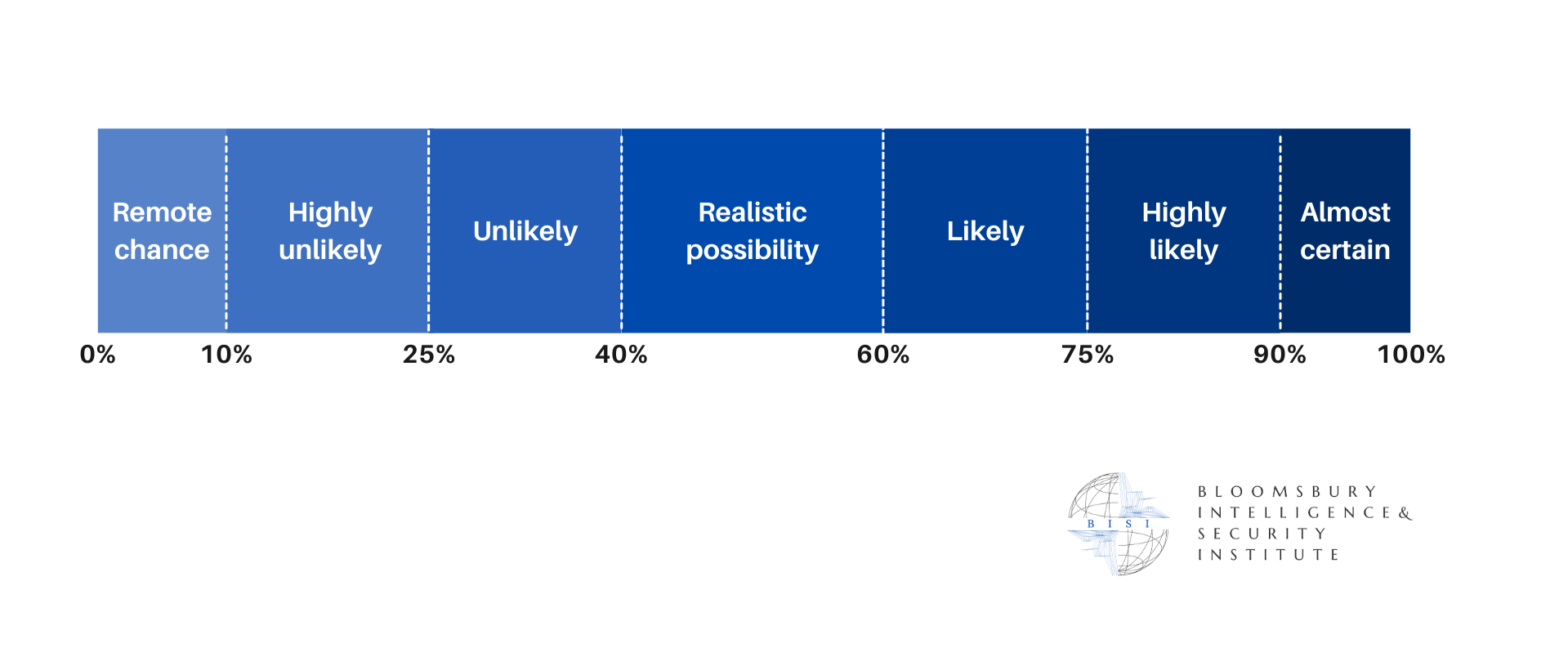
It is highly likely for Japan and Central Asia to further consolidate this growing partnership through institutionalising mechanisms, with, for example, Mirziyoyev suggesting holding such summits every two years and developing a concrete Central Asia-Japan Cooperation Strategy.
Medium-term (3 - 12 months)
Progress on projects related to the three priority areas is likely to be seen, for example, tied to the Trans-Caspian Corridor and energy transition. This could also spark interest from other major stakeholders, who may propose competing initiatives.
Long-term (>1 year)
The benefits of collaboration in innovative, technology-driven fields will likely yield greater economic and strategic gains, positioning Japan and Central Asia as partners in shaping regional technological development.