
Pope Urges Unity on Middle East Visit
By Trishnakhi Parashar | 16 December 2025
Summary
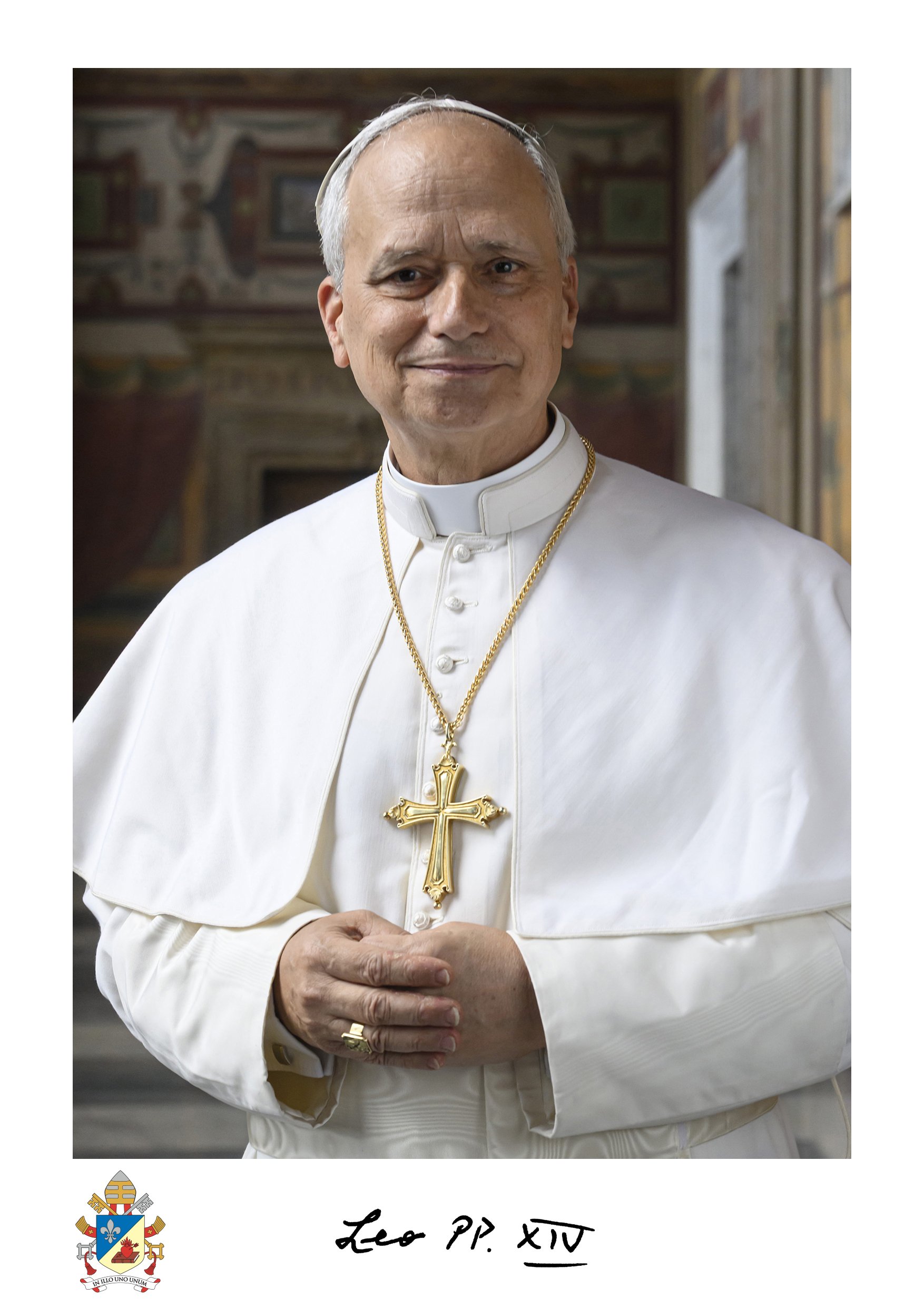
From 27 November 2025 to 2 December 2025, Pope Leo XIV embarked on his first foreign trip to Türkiye and Lebanon, focusing on Christian unity, interfaith dialogue, and a call for regional peace.
During his visit, the Pope spent four days in Turkey and the last two days in Lebanon, fulfilling his responsibilities as both spiritual leader and head of state of Vatican City.
The papal involvement will likely increase global attention on the broader Middle East and the region’s Christian communities.
Context
On 27 November 2025, Pope Leo XIV, started his six-day journey to Turkey and Lebanon. This was his first apostolic journey to the Middle East as the pontiff. In this journey, he aimed to promote ties with local minority communities and address the challenges they face.
The initial phase of the trip began in Ankara, where he visited Anitkabir before joining President Recep Tayyip Erdogan. He then travelled to Istanbul and Iznik, meeting clergy and leading an ecumenical prayer marking the Council of Nicaea anniversary. The Pope also made a visit to the Blue Mosque. He then met the leader of the Eastern Orthodox Christians, Patriarch Bartholomew I, and signed a Joint Declaration. The Pope used his travel arrangements to draw attention to the importance of cooperation between Christian traditions and to encourage dialogues on issues associated with minority protection and social challenges.
After concluding his visit to Turkey, Pope Leo arrived in Beirut on 30 November, in an effort to convey support to Lebanon amid economic uncertainty and regional tensions, particularly the conflict with Israel. He began with his meetings with the president, prime minister and parliamentary leaders at the Baabda Presidential Palace. Later in the visit, he went to significant Christian sites. The Pope's Lebanon visit culminated on 2 December, as he offered a silent prayer at the site of the 2020 Beirut port explosion and met family members of the victims. He openly expressed his solidarity, stating, “I express my aspiration for peace, along with a heartfelt appeal: may the attacks and hostilities cease.”
The Pope’s visit to Turkey and Lebanon is significant for the Middle East and its Christian community. Throughout his visit, he consistently stressed the need for dialogue, peaceful coexistence, and the protection of communities. He warned that the future of humanity is at risk due to the large number of conflicts. He condemned violence in the name of religion and also urged regional leaders to work toward stability and an amicable settlement of ongoing conflicts.
Implications
The Pope’s visit places international focus on both states’ political environment. He had highlighted the minority protection in Turkey, which created space for dialogues between the state and religious communities. This journey is particularly important for Lebanon during a time of deep political gridlock. Pope’s focus on peace, liability and social coexistence may put pressure on political leaders to establish a greater commitment to reform. This also offers civil society groups a stronger moral support for dialogues and settlement efforts. He encouraged everyone to show courage and appealed to the citizens, especially the youth, to remain in their homeland.
The operational implications of the Pope’s visit to Turkey and Lebanon involve different potential shifts. For the Vatican, the visit was underscored by a Joint Declaration with Patriarch Bartholomew that formalised an ecumenical operational agenda, prioritising the advancement of Christian unity. Diplomatically, the visit has initiated active, private peace conversations with political leaders. This indicates an operational shift toward direct mediation, with the goal of supporting regional stability and curbing further violence.
Economically, the visit offers both states a limited benefit by supporting sectors like cultural and religious tourism in the short term. Though the total economic impact on Lebanon's severe financial crisis remains nominal. Improved perceptions of social tolerance could also help attract international aid for developing minority heritage sites. However, broader economic advancements are expected to depend on profound institutional and policy reforms, which this visit itself is unlikely to provide. Nevertheless, it draws renewed international attention to the depth of Lebanon’s economic crisis.
The visit provides a symbolic reassurance to Christian and minority communities in both Turkey and Lebanon. The Pope’s messages may contribute to gradual improvements. Nonetheless, primary security risks, such as political crackdowns, regional instability, and frequent armed clashes, are unlikely to change, and the impact will be limited without sustained policy commitment.
Forecast
Short-term (Now - 3 months)
The visit will likely support interfaith and civil society dialogue initiatives in Turkey and Lebanon.
Among certain communities, the Pope’s visit is highly likely to encourage gradual strengthening of community-based resilience efforts.
Political leaders of Turkey and Lebanon will highly likely use the visit to signal their commitment to stability and minority protection.
It will likely bring limited economic benefits, mainly in the cultural and religious tourism sector.
Medium-term (3-12 months)
The visit is likely to contribute to gradual improvements in community trust and international engagement.
International actors are likely to reference the Pope’s appeal when advocating for social and humanitarian support for Lebanon. This will possibly improve funding flows.
There is a realistic possibility of international actors supporting minority communities through funding and cultural preservation programmes.
Long-term (>1 year)
The Pope’s appeal on preventing emigration is unlikely to reverse Lebanon’s demographic decline.
In the long term, policy outcomes will highly likely be determined by the domestic challenges of the states.
