Peru Election Preview
By Gabriel Perkins | 11 May 2026
Summary
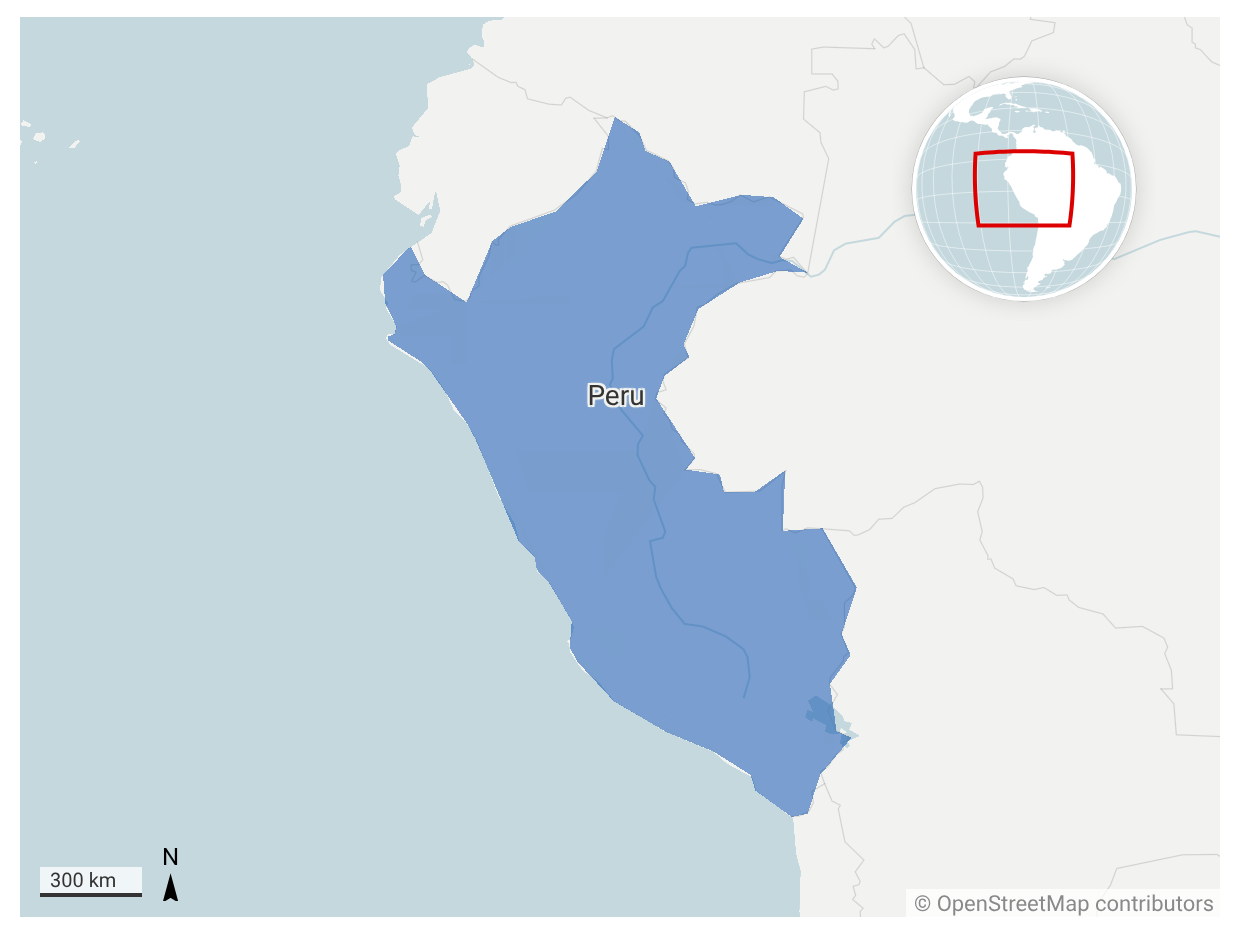
Peru is holding its presidential runoff on 7 June 2026 between Keiko Fujimori of Popular Force and Roberto Sánchez of Together for Peru. This runoff follows a fragmented first round on 12 and 13 April 2026.
Voter behaviour is dominated by an insecurity crisis. Institutional credibility has been damaged by fraud allegations and logistical failures. This is occurring against a backdrop of 3 presidents being removed in the last 18 months.
The runoff is currently competitive. Fujimori is favoured to consolidate the right. The next administration will assume office with weak mandates and a fragmented Congress.
Context
Peru is returning to the polls on 7 June 2026 to choose between Fujimori and Sánchez. Fujimori is the daughter of former President Alberto Fujimori, who served in office between 1990 and 2000. Sánchez is a former Cabinet minister. He served under the jailed former President Pedro Castillo. In the first round of voting, Fujimori finished first with around 17% of valid votes. Sánchez narrowly beat businessman Rafael López Aliaga of the Popular Renewal for second place. Voting was extended for a second day after roughly 60,000 voters were affected by a lack of voter materials. Due to this issue, the head of the National Office of Electoral Processes (ONPE), Piero Corvetto, resigned. López Aliaga alleged fraud in the first round of voting and called for an annulment of the result. The National Jury of Elections (JNE) rejected the request 3 to 2 on 24 April 2026. This decision was endorsed by the Organisation of American States (OAS) and the European Union (EU) observation mission.
Implications
Insecurity is the current primary driver of voter behaviour in Peru. Over 500 schools have reported extortion, more than 75 transport drivers have been killed in Lima and adjacent provinces in 2025, and the Círculo Militar de Chorrillos shooting in October 2025 precipitated the removal of former President Dina Boluarte. The two candidates have taken different approaches to security. Fujimori has promised military deployments, mass deportations and prison expansion within the first 100 days of her term. Sánchez has framed the insecurity as a consequence of social neglect and underinvestment in human capital. Polling done by Ipsos Peru on 26 April 2026 has both candidates tied at 38% each in the runoff, suggesting that the opposition to Fujimori may consolidate around Sánchez despite ideological differences.
The next president will take control of an administration with a weak executive and a fragmented Congress. The combined first-round support for both candidates was below 30%. The new bicameral Congress, consisting of a 60-seat Senate and a 130-seat Chamber of Deputies, is expected to remain fragmented. This fragmentation will allow for a substantial Fujimorista bloc to remain regardless of the result in the presidential elections. This increases the probability of early legislative confrontation and renewed use of the impeachment mechanism. This same pattern is what has caused executive turnover since 2016. López Aliaga’s fraud narrative has also eroded trust in the JNE and ONPE despite the OAS and EU observers confirming integrity.
Economic policy continuity is more probable than political continuity. The President of Peru’s Central Bank, Julio Velarde, remains an institutional anchor for stability, and sovereign risk perception has not widened materially since the first round. Pressure from Congress for expansionary spending, which was supported by Popular Force during Boluarte’s term, means fiscal slippage is probable under either administration. Stakeholder impacts will fall most heavily on transport operators, small businesses exposed to extortion, and rural households dependent on public investment.
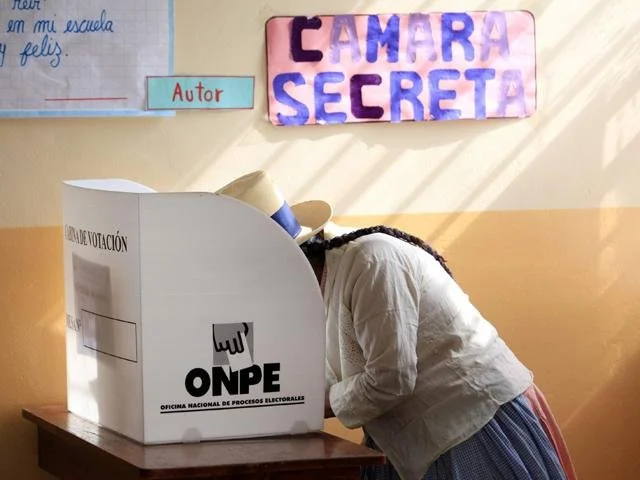
“PERÚ-ELECCIONES” by The Globovisión
Forecast
Short-term (Now - 3 months)
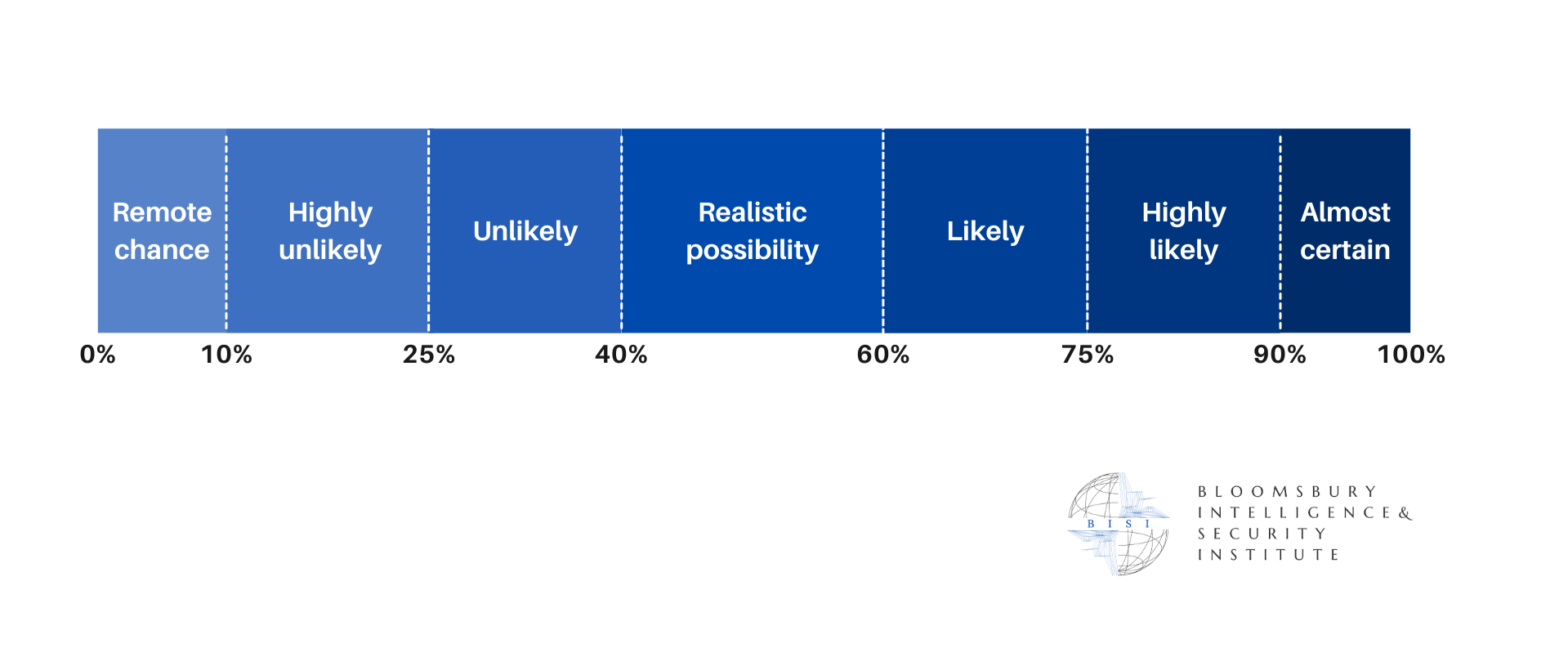
There is a realistic possibility that Fujimori wins the runoff with support from López Aliaga's vote and her security platform. It is likely that localised unrest will occur around contested polling units in Lima and Callao.
Medium-term (3 - 12 months)
It is likely that the new president faces early impeachment motions or formal censure attempts due to the fragmented framework of Congress and the pattern since 2016.
Long-term (>1 year)
There is a realistic possibility that the 2026 to 2031 term will conclude without a presidential vacancy once there is a notable decrease in homicides and extortions.