No Safety in Russian Skies and Firing Pistols at Drones: Russian Critical Infrastructure in 2026
By Lily Donahue | 19 October 2026
АрміяInform/Wikimedia
Summary
Ukrainian drone strikes on Russian critical infrastructure intensified in 2026. This caused fuel shortages and sparked pressure on Russian businesses, rather than the Russian state, to protect their own facilities.
Russia’s Finance Ministry has proposed tax breaks for companies engaged in facility defence and reconstruction. Recent budget proposals indicate that increased taxation on passive income and online shopping are expected to offset the cost.
Despite losses from disrupted Russian fuel supplies, Russia’s allies are unlikely to pivot from positions of neutrality.
Context
Ukrainian drone strikes against Russia’s energy infrastructure have substantially increased throughout 2026. Restrictions on fuel sales have spread throughout the country. In St. Petersburg, Gazprom Neft, Russia’s third-largest oil producer, has put a cap on buying, allowing a maximum of 30 litres of fuel per vehicle. In Dagestan, one of Russia’s poorer constituent republics, the cap is at 20 litres.
The two major Russian e-commerce businesses, Wildberries and Ozon, as well as ports and oil refineries, have been targeted. The influx of drones led Ukrainian President Volodymyr Zelenskyy to declare that there were “no safe spaces” in Russian skies.
Implications
On 24 August, Russian President Vladimir Putin signed a decree penalising companies for possible “failure to take or untimely adoption […] of measures to ensure the security of critical infrastructure facilities of the Russian Federation.” If companies are unable to properly support their facilities, the Federal Agency for State Property Management will uphold “temporary management,” though Putin has emphasised there are no plans for any permanent transfer of ownership. The Kremlin expects private enterprises to protect themselves in a patriotic effort, without providing specific practical measures. Indeed, anti-drone commercial defence purchases in Russia have increased more than sixfold throughout this year, totalling more than RUB 441m (USD 5.34m).
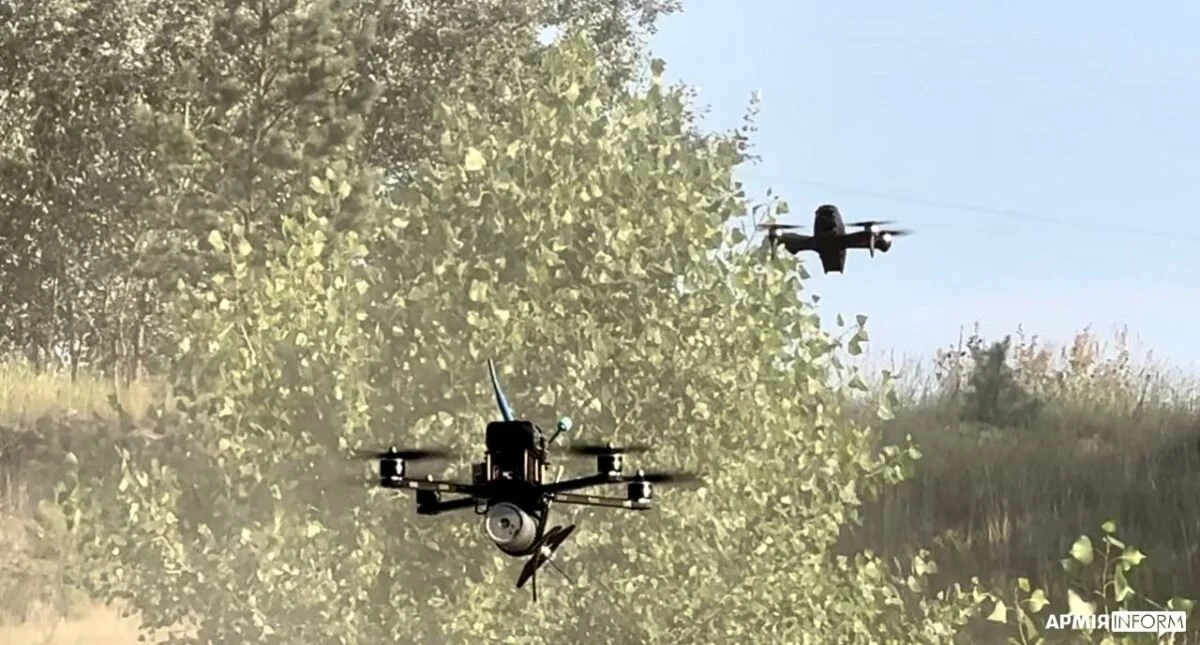
Russian law specifies who is permitted to shoot down drones. While businesses are feasibly able to detect drones, destroying them is much more onerous. Private security firms, which are likely to expand to critical infrastructure companies, are only allowed to use non-military-grade tactics. Though net launchers are effective against low-level drones, they are useless against Ukraine’s heavy-duty Unmanned Aerial Vehicles (UAVs), weighing hundreds of kilos. Other anti-drone measures, including non-lethal pistols, are ineffective. Private drone operation training providers have sprung up, with one company promising 15 days of remote and in-person learning and mentorship for RUB 375,000 (USD 4,501). This is unlikely to ensure any sustainable protection, however, while companies still rely on low-level anti-drone weaponry.
To soften the financial blow of maintaining a private drone-defence system, the Russian Finance Ministry has proposed tax breaks for companies “spending on defending facilities and on restoring facilities.” To cover the shortfall, the Ministry has suggested hiked taxation on a patchwork of sources, such as passive income and VAT on foreign online shopping. While taxation on passive income could bring in RUB 500-700b (USD 5.99-8.38b), VAT increases would be unlikely to make up the loss.
Ukrainian drones have also targeted Russia-allied countries. In August 2026, Tajikistan’s Energy Minister estimated a remaining two-month supply of fuel due to decreased access to Russian petroleum, as Ukrainian strikes strain Russian supplies. This shortage has led Dushanbe to turn to Iran, potentially courting sanctions by the United States.
Meanwhile, Kazakhstan reduced oil production targets after a Ukrainian strike on the Caspian Pipeline Consortium, a pipeline running between Kazakhstan’s Tengiz Field and Russia’s Black Sea. While Kazakhstan has looked to diversify, options are scarce. Though Astana has turned west to Azerbaijan, looking to ship crude oil via a trans-Caspian route and the Baku-Tbilisi-Ceyhan pipeline, the need to transport the oil by tanker has constrained options once the oil reaches Baku. This led to gradually increasing diplomatic pressure on Putin to end the war from the Kazakh President Kassym-Jomart Tokayev, albeit in soft terms.
Forecast
Short-term (Now - 3 months)
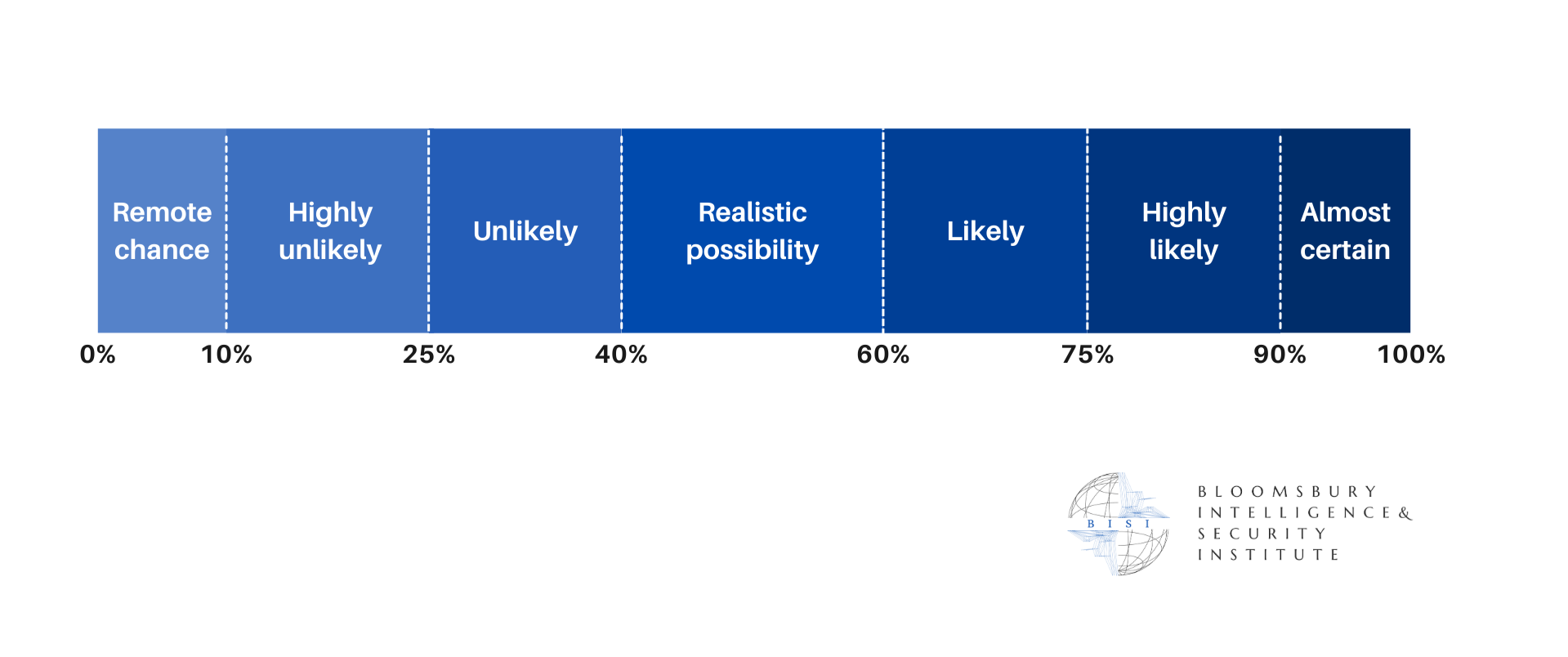
The Kremlin is highly likely to shift the financial burden of infrastructure protection onto private companies, using tax incentives and regulatory pressure.
Despite increased frustration over disrupted access to Russian fuel, Tajikistan and Kazakhstan are unlikely to go beyond quiet diplomacy to pressure Russia to end the war, and are both highly likely to maintain a position of friendly neutrality.
Medium-term (3 - 12 months)
There is a realistic possibility that the definition of critical infrastructure businesses will expand to encompass a wider range of businesses, such as shopping malls.
Businesses will likely treat Ukrainian drone attacks as a permanent risk to their operations, in turn triggering higher demand for detection, defence and insurance services.