AI Governance at UNGA81: Safety, Security and the North-South Divide
By Martyna Chmura | 19 October 2026
White House/Flickr
Summary
Artificial intelligence (AI) became a central issue at the 81st United Nations General Assembly (UNGA81), with 128 delegations addressing it, compared with only five four years earlier, highlighting growing concern over who controls AI development, benefits from it and bears its risks.
UNGA81 exposed competing approaches to AI governance: the United States (US) prioritised continued innovation and rejected global oversight, the European Union (EU) backed a UN-centred regulatory architecture, while China and many Global South states emphasised inclusion, national participation and narrowing the digital divide.
AI safety is increasingly linked to international security and the North-South divide, as developing states warn that frontier-AI safeguards could become technological gatekeeping if countries controlling advanced models, computing power and data also determine global rules.
Context
AI moved from a specialist technology issue to a major question of international governance during UNGA81 in September 2026. The UN President of the General Assembly, Khalilur Rahman, noted that 128 delegations addressed AI, more than those discussing human rights or climate change. Rahman argued that governance must be human-centred and prevent a new divide in which a small number of countries and companies control data, computing power and rules.
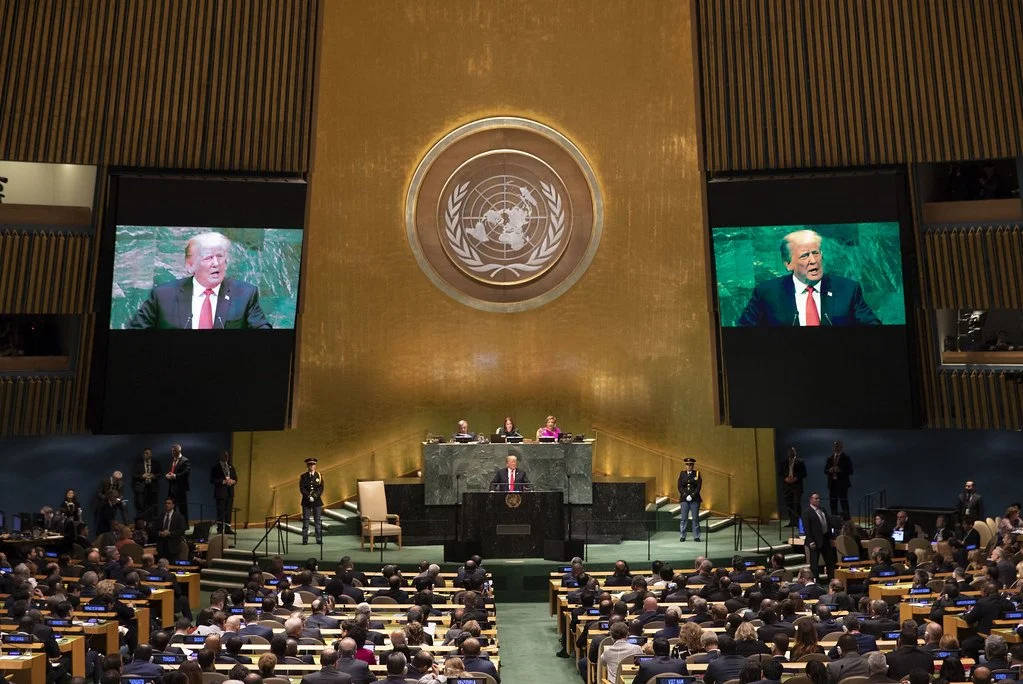
Positions nevertheless diverged. US President Donald Trump rejected a global framework to govern AI, arguing that the United States should prioritise the growth and leadership of “superintelligence” while relying on domestic oversight to address its risks. By contrast, European Council President António Costa called for an accountable, transparent and regulated architecture, with the UN playing a central role through the Global Digital Compact, Independent International Scientific Panel and Global Dialogue on AI Governance. China called for a “people-centred” approach, narrowing the digital divide and increasing the Global South's voice.
Implications
The growing focus on AI safety and security demonstrates a rising trade off between limiting risks and preserving the technology’s development potential. AI’s use in military decision-making, cyber operations and information environments strengthens the case for safeguards against cross-border harms, including human oversight and accountability in high-stakes applications. However, a security-first approach could also legitimise restrictions that constrain access to beneficial applications in healthcare, agriculture and public services. Nigeria’s warning against “surrender[ing] our technological future to paranoia” reflects a broader concern that risk management should not become a barrier to innovation. The central challenge is to distinguish safeguards against specific harms from restrictions that could limit AI’s wider development and use.
Despite these differences, cooperation is likely to be more achievable through targeted safeguards than a comprehensive global regulatory framework. While the UK aims to advance common AI principles during its G20 presidency, Finland and Norway have called for international control of frontier AI models. Such initiatives could support convergence on testing, transparency, human oversight and accountability in high-risk applications, without requiring uniform domestic regulation. However, progress towards shared standards should not be mistaken for agreement on their scope or enforcement. Disagreement over government intervention, frontier AI development and national autonomy will likely continue to constrain efforts to establish binding international rules.
The prospects for cooperation are further complicated by the global divide in AI capabilities. Countries with advanced computing infrastructure, investment and technical expertise are better positioned to develop standards and meet demanding safety requirements, while less-resourced states risk becoming rule-takers or facing barriers to participation. Pakistan’s warning that slowing frontier AI must not become “a new form of gatekeeping” captures this concern. India’s emphasis on the right of each nation to shape its own AI ecosystem also reflects the importance of technological autonomy. Effective multilateral governance will therefore require not only inclusive rule-making but also investment in the infrastructure, skills and institutional capacity needed to implement standards and benefit from AI.
Forecast
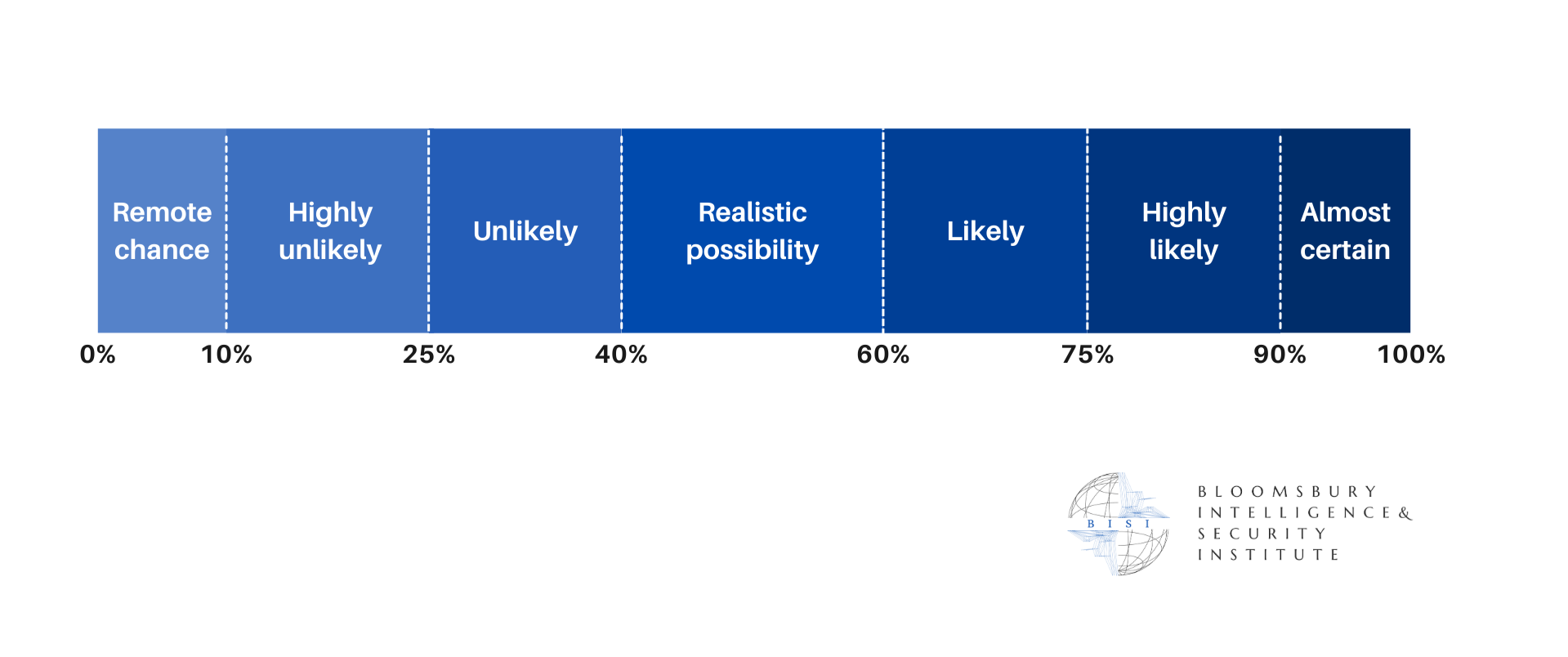
Short-term (Now - 3 months)
Global South states will likely press for technology transfer and capacity-building, while resisting safety measures perceived as restricting access.
International initiatives will likely prioritise practical cooperation on high-risk AI, including testing, transparency and human oversight, rather than comprehensive binding rules.
Medium-term (3 - 12 months)
Regulatory fragmentation will likely persist as states and regional organisations develop standards reflecting different approaches to innovation, security and national sovereignty.
The May 2027 UN Global Dialogue on AI Governance will likely increase pressure for interoperability and common principles, although agreement on enforceable international obligations will remain limited.
Long-term (>1 year)
International AI governance will likely develop around shared principles and technical safeguards for high-risk applications, without necessarily producing a unified global regulatory regime.
Comprehensive, binding limits on frontier AI capabilities are unlikely while major powers continue to prioritise technological leadership and strategic advantage.