Inter-Jihadist Clash in Burkina Faso: ISSP Claims Major Victory over JNIM
By Eloise Grant Goodey | 13 October 2026
Summary
ISSP has claimed a major victory over regional jihadist rival JNIM in northern Burkina Faso, with allegedly over 200 JNIM fatalities in one of the group’s deadliest battles.
If ISSP's claims are accurate, JNIM would be weakened, and ISSP boosted tactically, while the escalating rivalry is likely to increase displacement and reprisals against civilians.
ISSP is unlikely to shift the strategic balance, with JNIM remaining the dominant jihadist actor, while clashes between the two groups will almost certainly continue.
Context
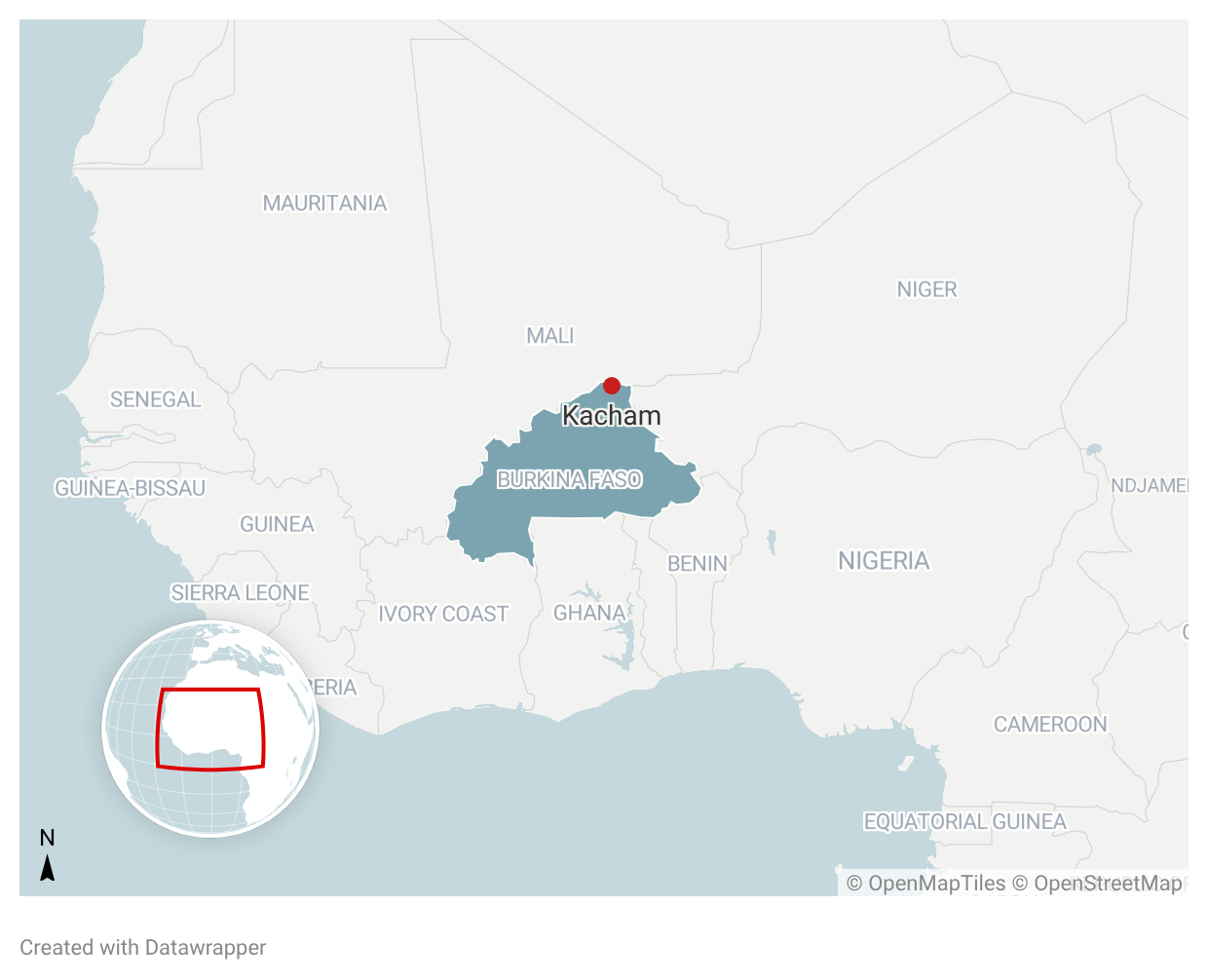
Reports have emerged that the Islamic State Sahel Province (ISSP) has achieved a major victory over its regional rival Jama’at Nusrat al-Islam wal-Muslimin (JNIM) following a clash between the two groups in northern Burkina Faso in early September. The Islamic State affiliate claims to have killed more than 200 of its al-Qaeda-affiliated rival’s fighters and seized a significant number of weapons and motorcycles. According to ACLED, if ISSP’s claims are accurate, this would be the deadliest battle between the two groups. This recent clash forms part of the broader regional rivalry between the two groups, which began in 2019, ending a period of cooperation known as “the Sahelian Anomaly”.
Implications
If ISSP’s claims are accurate, the major losses incurred by JNIM would weaken the group at a time when it is already fighting a multi-front war, defending against its jihadist rival, countering state forces and allied militia, and expanding its operations in West Africa. Aside from the death of fighters, the loss of motorcycles also weakens JNIM operationally to the benefit of ISSP, as motorcycles provide operational speed in raids and attacks, boosting ISSP's capacities. However, although this tactical win affords ISSP some operational gains and a significant morale boost, it does not significantly alter the broader balance of power between the two groups, unless it is followed by sustained gains.
This battle also comes in the wake of an expansion and escalation of the jihadist rivalry, with reports from April 2026 that, for the first time, fighting between the two groups has spread to Niger and Nigeria. Furthermore, the defection of senior Commander “Sadou”, younger brother of Abu Hanifa, JNIM’s emir for Niger, from JNIM to ISSP in February 2026 was a significant development in the struggle between the two groups. Reports suggest Sadou defected over JNIM's negotiations with governments and its failure to uniformly impose sharia law across its territories, grievances the more hardline ISSP would address. He was reportedly assassinated by disguised JNIM fighters in July. This increased inter-jihadist fighting may relieve some of the pressure on state forces, benefiting from divided attention. The advantage this affords is dependent on the Sahelian governments’ willingness and capacity to exploit the opportunity. At the time of writing, no government military response specific to the clash has been publicly reported.
For civilians caught between the two groups, the latest development will likely increase displacement and the potential for reprisals against communities suspected of working with the other side. Moreover, should ISSP translate this tactical success into sustained gains, the consequences for civilians could be severe. Whereas JNIM has pursued the al-Qaeda “gradualist” approach to governance, ISSP's record points to the Islamic State’s harsher, puritanical model, and expanded ISSP influence would likely mean greater exposure to violence for communities under its control.
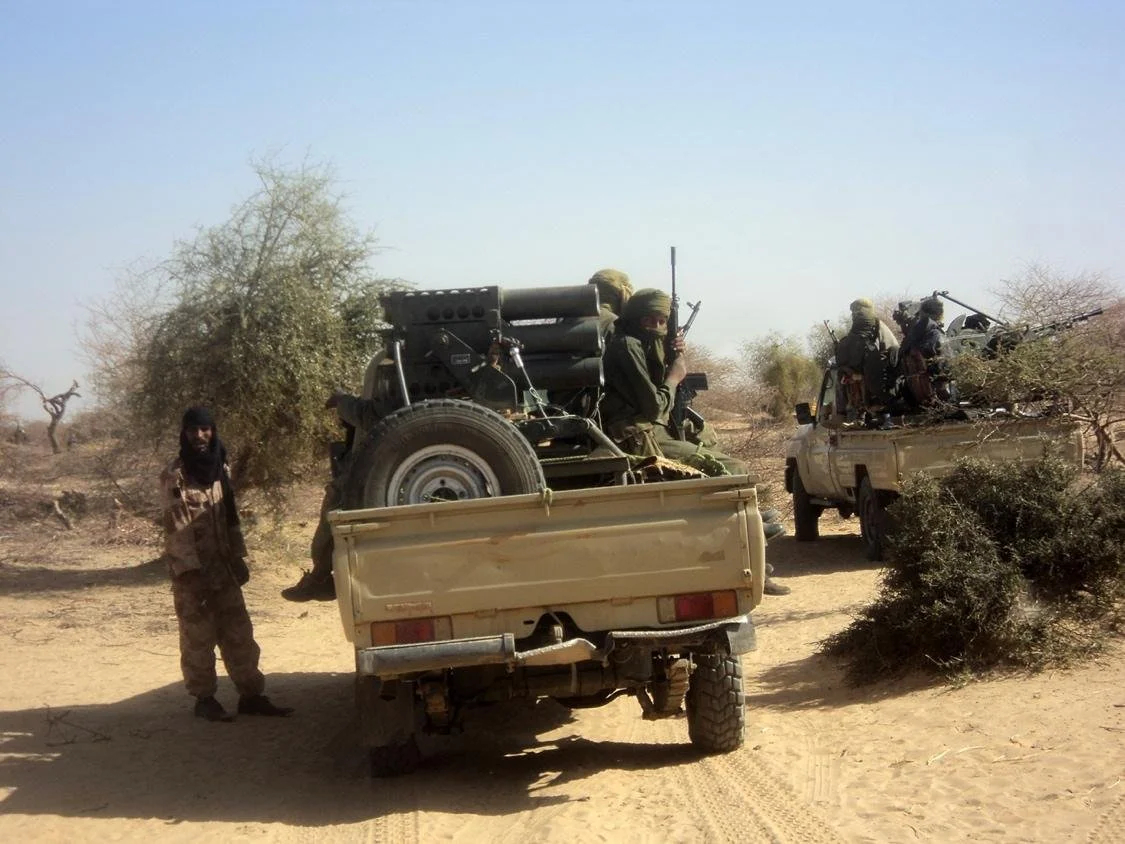
Magharebia/Wikimedia
Forecast
Short-term (Now - 3 months)
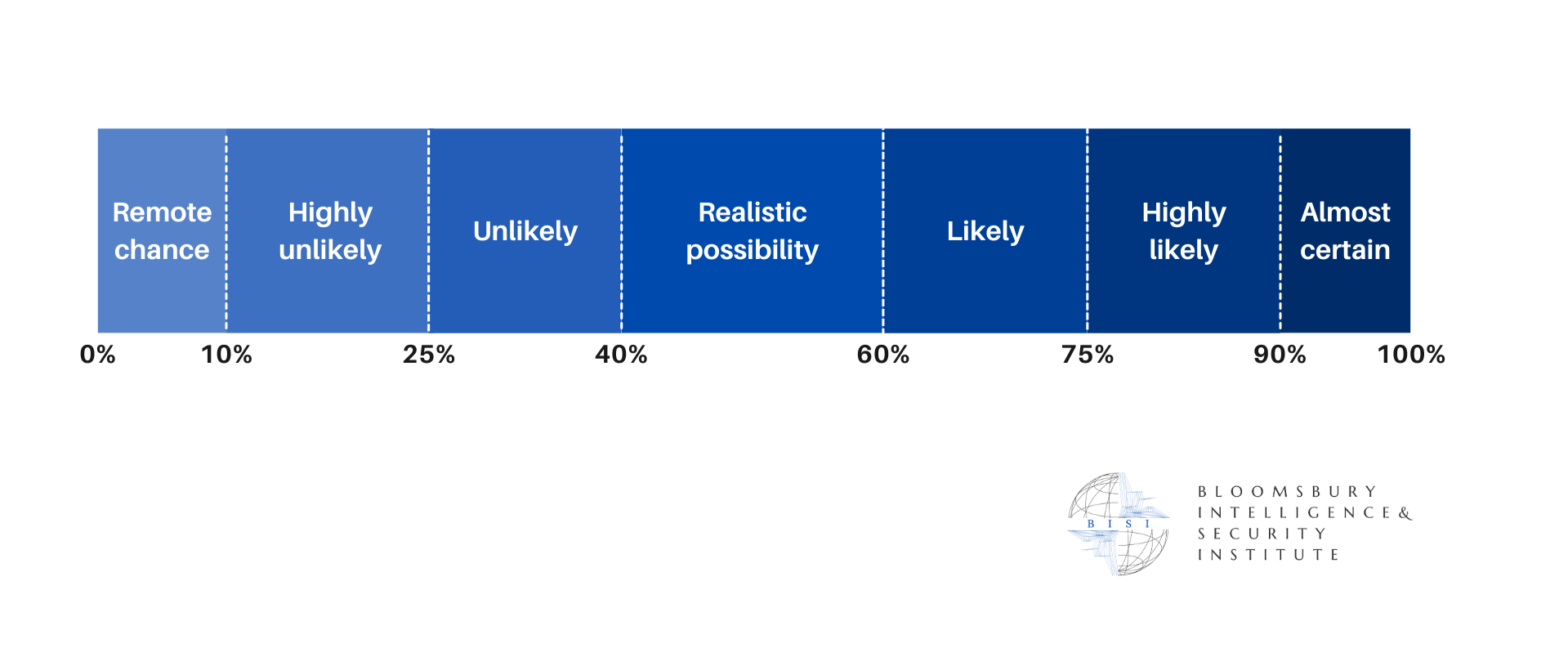
Clashes between the two groups are almost certain to continue, with a JNIM reprisal in northern Burkina Faso likely.
It is highly likely that violence against civilians and displacement will increase as the groups’ fighting continues and suspected collaborators are targeted.
Medium-term (3 - 12 months)
ISSP is unlikely to shift the strategic balance unless it consolidates territorial gains.
If ISSP’s territorial footprint meaningfully increases, it is likely civilian exposure to violence will increase under its harsher governance model.
The rivalry is likely to continue in Niger and Nigeria, with a realistic possibility of spreading to West African coastal states.
Long-term (>1 year)
JNIM is likely to remain the dominant jihadist actor.
A return to the “Sahelian Anomaly” is unlikely given the entrenched hostility between the two groups.