Martinique's CARICOM Accession
By Gabriel Perkins | 2 June 2026
Summary
On 16 April 2026, France’s National Assembly approved Martinique's accession to the Protocol on the Privileges and Immunities of the Caribbean Community (CARICOM), completing the French legislative process required for the territory to gain associate membership in the regional bloc.
The accession formalises a desired institutional bridge between a European Union (EU) outermost region and CARICOM's member states and associate members, while also setting a legal precedent for the remaining French territories in the region.
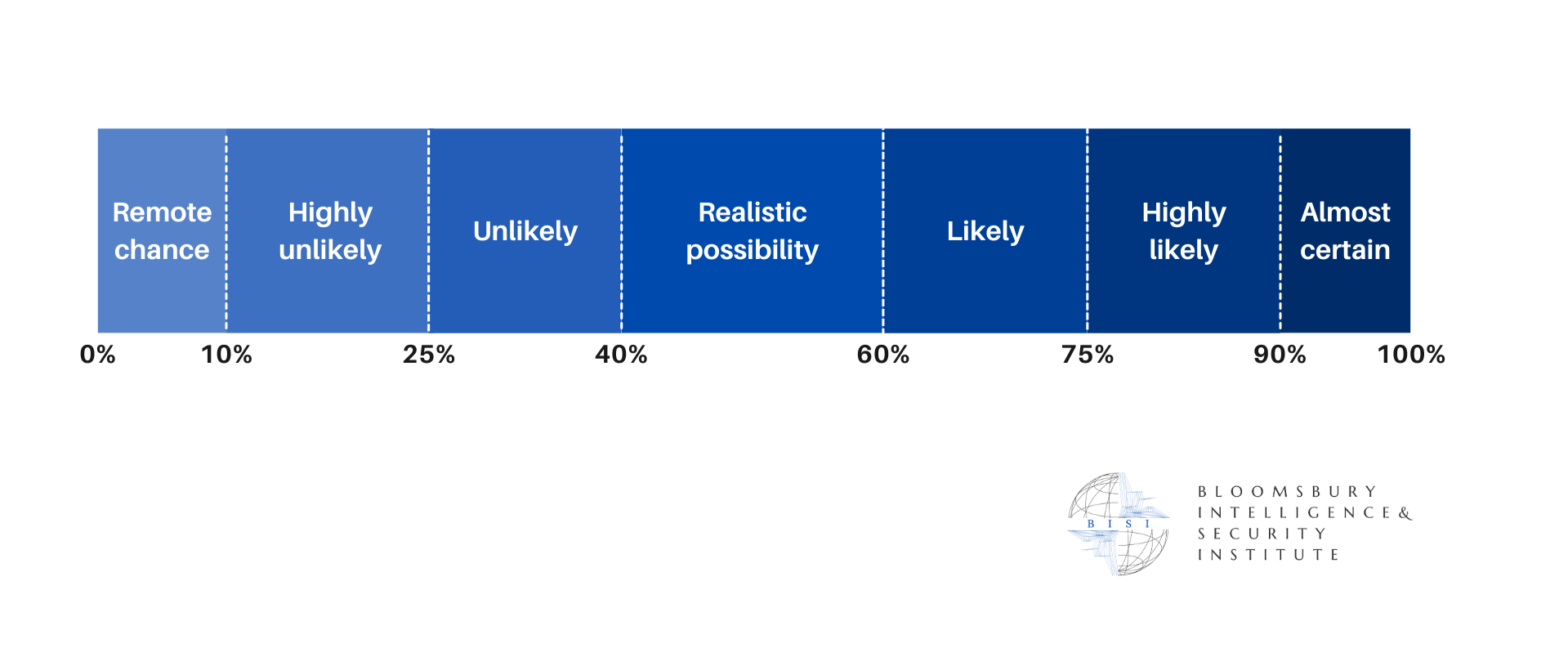
It is likely that Martinique's formal accession ceremony will occur at the 51st Heads of Government Meeting in July 2026. However, the economic depth of Martinique's participation will remain constrained by its EU customs and competition obligations.
Context
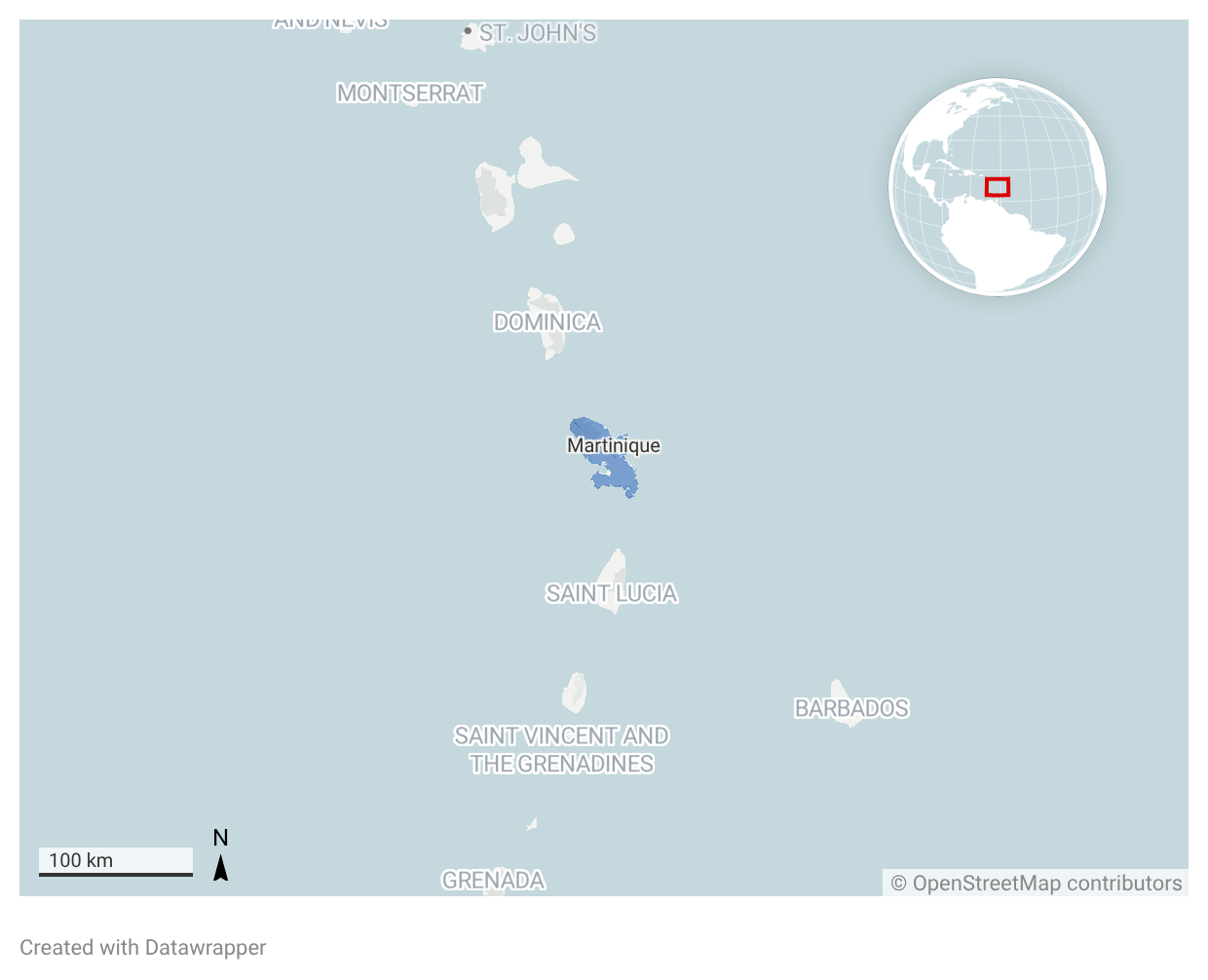
On 16 April 2026, the French National Assembly approved the bill authorising Martinique's accession to the Protocol on the Privileges and Immunities of the Caribbean Community (CARICOM). This was the final domestic legislative step needed for Martinique to join CARICOM as an associate member. This follows the decision made by the French Senate vote on 28 January 2026 and the original accession agreement signed in 2025 at the 48th Regular Meeting of the Conference of Heads of Government of CARICOM in Bridgetown, Barbados. The original agreement was signed by Prime Minister Mia Mottley of Barbados and President of the Territorial Collectivity of Martinique Serge Letchimy. Under the Treaty of Chaguaramas, associate membership allows non-sovereign territories to participate in CARICOM programmes and agencies but excludes foreign policy competence and voting rights on binding decisions. Martinique already holds associate member status at the United Nations Economic Commission for Latin America and the Caribbean (ECLAC, 2012), the Association of Caribbean States (ACS, 2014), and the Organisation of Eastern Caribbean States (OECS, 2015). Joining CARICOM as an associate member completes Martinique’s alignment across all 4 regional bodies in a process that has taken over a decade.
Implications
The most immediate effect of the accession is institutional. Martinique will gain formal participation in CARICOM organs, agencies and programmes, including the Caribbean Public Health Agency (CARPHA), the Caribbean Disaster Emergency Management Agency (CDEMA), and the Implementation Agency for Crime and Security (IMPACS). For CARICOM, this integrates around 340,000 residents and an economy supported by EU integration.
Martinique is more constrained in the economic element of accession. Due to being an outermost region of the EU, Martinique remains within the EU customs union, applies EU agricultural and competition law, and cannot independently negotiate trade arrangements. Full participation in the CARICOM Single Market and Economy (CSME) is only permitted for member states of CARICOM. Martinique’s accession does not create a direct connection between the CSME and the EU single market. Trade between Martinique and CARICOM states will continue to operate through the existing CARIFORUM and EU Economic Partnership Agreement, with the new status allowing closer alignment but not customs integration.
The effects on mobility and exchange are likely to be seen earlier and more visibly. Associate membership supports academic and professional movement, sectoral cooperation in tourism, sport and culture. For Caribbean professionals and students, this expands a labour and study market currently established through bilateral arrangements with France. For Martinique, regional integration is seen by its political leadership as a source of balance to high levels of dependence on metropolitan France for trade, transport and capital flows.
The model for the other French territories in the region is the most consequential regional implication. The French government has indicated that the accession framework also paves the way for Guadeloupe, French Guiana, Saint Martin and Saint Barthélemy to seek associate membership. Each is subject to a separate French legislative procedure. If French Guiana became an associate member, it would significantly enlarge CARICOM's continental footprint in South America and reshape its engagement with the broader South American agenda. The ultimate effect, if all states join, would create a sustained EU-linked presence across CARICOM's institutional structures and represent a structural shift away from CARICOM’s traditional anglophone composition.
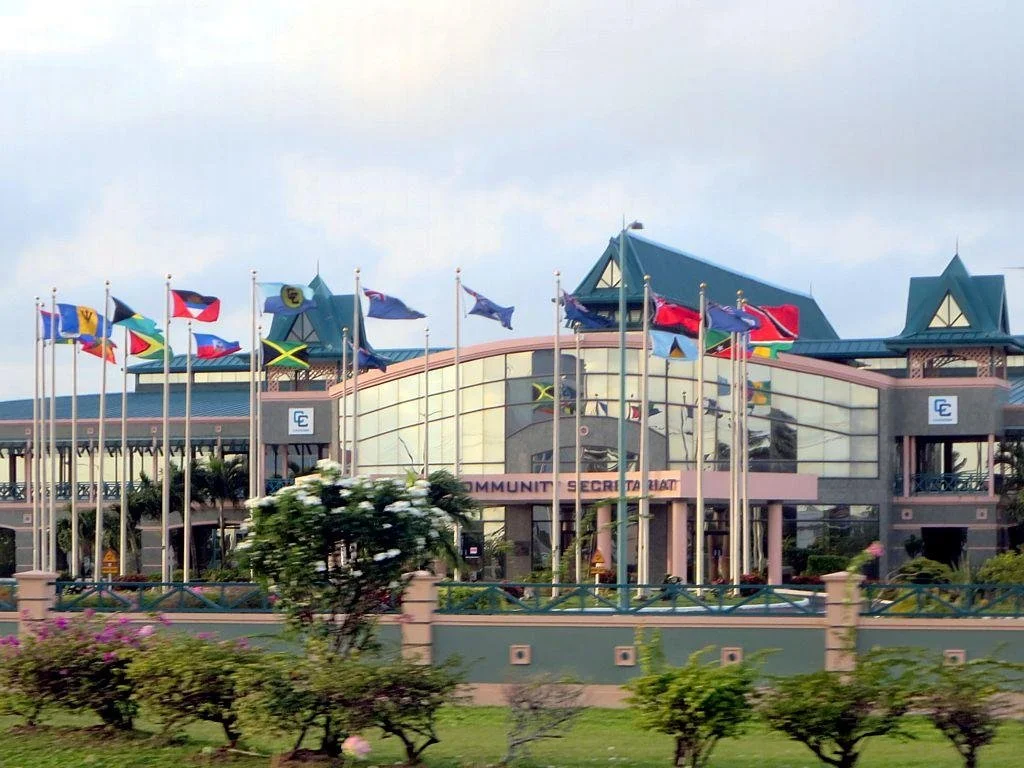
David Stanley/Flickr
Forecast
Short-term (Now - 3 months)
It is likely that the formal CARICOM accession ceremony will take place at the 51st CARICOM Heads of Government Meeting in July 2026, with Martinique beginning active participation in technical agencies, including CARPHA, CDEMA and IMPACS shortly after.
Medium-term (3 - 12 months)
There is a realistic possibility that other French overseas territories in the region will initiate their own French legislative process for CARICOM accession, given the French government’s stated support for the wider framework. It is highly likely that initial friction between EU regulatory obligations and CARICOM programmes will require formal coordination.
Long-term (>1 year)
It is likely that the coordination needed between EU regulatory obligations and CARICOM structures will consolidate into a formal standing EU-CARICOM dialogue mechanism. This would deepen the existing CARIFORUM framework and strengthen CARICOM's negotiating position in a successor agreement to the 2008 Economic Partnership Agreement, should one be created.