By Victoria Sainz | 18 May 2026
Summary
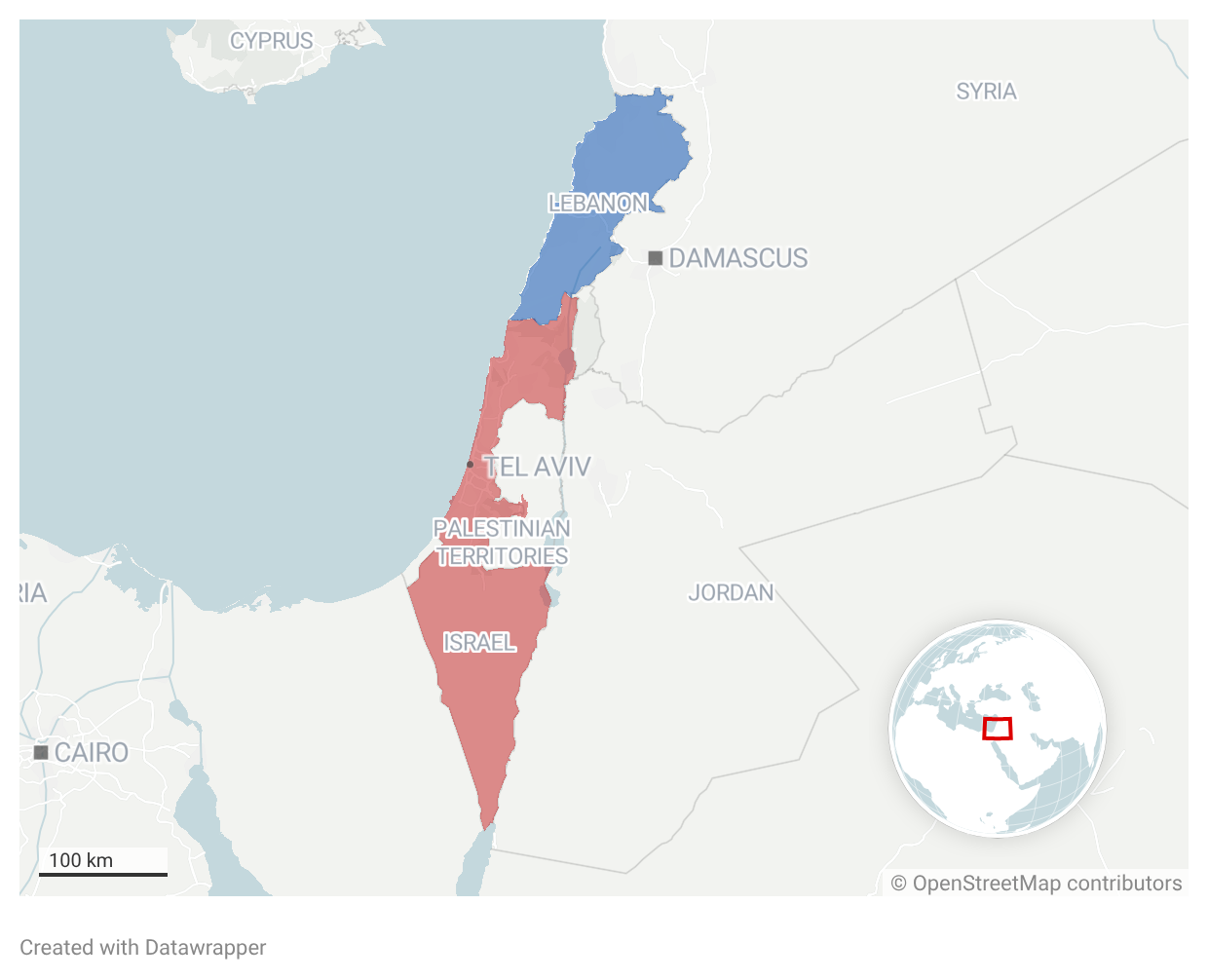
The ongoing border conflict with Israel has exposed Lebanon’s weakened state capacity, with the Lebanese Armed Forces largely sidelined while Hezbollah assumes the primary role in military defence against Israeli strikes.
This dynamic creates and worsens a dual security structure in which state authority over defence is diminished. This increases reliance on non-state military power and reduces the government’s ability to control escalation.
It is likely that this imbalance will persist, with Hezbollah maintaining operational primacy and the Lebanese state remaining unable to reassert control.
Context
Since the ongoing war Israel has been waging in the Middle East in 2023, there has been an increase in already tense cross-border hostilities between Israel and Lebanon. Hezbollah and Israel have sustained low-intensity conflict along southern Lebanon up until the escalation between Israel and Iran in March 2026. Israeli airstrikes and artillery operations have targeted Hezbollah positions as well as infrastructure at the border. This has led to thousands of casualties and the displacement of millions of Lebanese citizens. These operations are being framed by Israel as pre-emptive or retaliatory, but they are effectively expanding the zone of instability inside Lebanese territory.
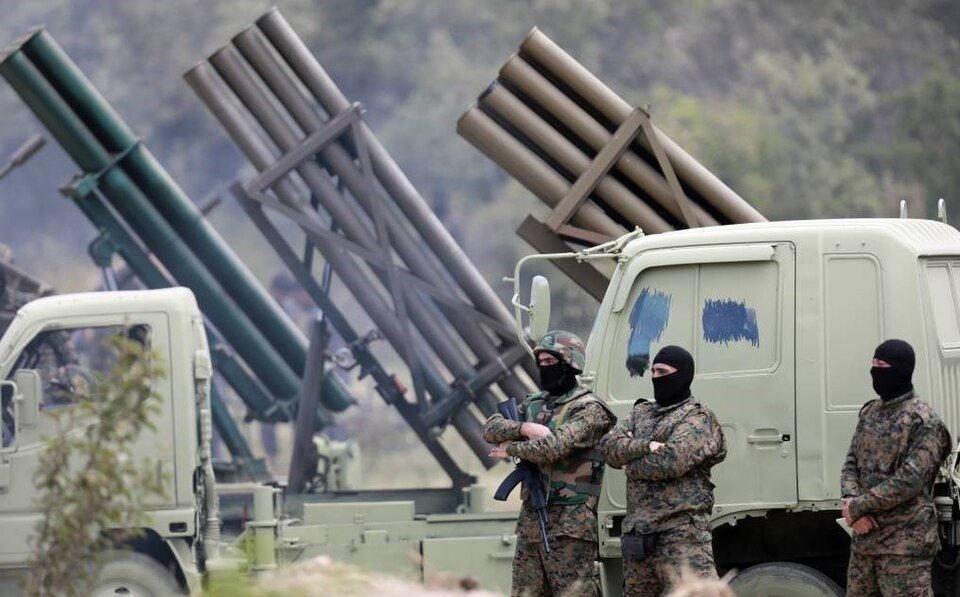
The Lebanese state has demonstrated limited capacity to respond to the attacks. The Lebanese Armed Forces have remained structurally constrained mainly due to the financial crisis, causing underfunding and declining operational readiness within the military. In contrast, Hezbollah has been operating as a parallel military non-state actor with an autonomous command structure and independent funding channels coming in part from Iran, allowing it to amass a significant arsenal. Its regional involvement in conflict, including in Syria, has reinforced its capacity to conduct sustained asymmetric warfare. As a result, Hezbollah functions as the primary military actor engaging Israeli forces along the southern border.
Israeli military pressure has also contributed to the partial depopulation and economic paralysis in southern Lebanon. It has created a contested buffer zone where state authority is minimal. In this environment, Hezbollah has assumed the de facto responsibility for deterrence and response, reinforcing a dual security structure in which the Lebanese state plays a secondary role.
Implications
Politically, the ongoing confrontation with Israel reinforces Lebanon’s fragmented sovereignty and weakens the authority of formal institutions. The Lebanese Armed Forces remain largely absent in the region since the escalation, and strategic decisions are being handled by Hezbollah. This dynamic deepens internal political fragmentation, as Hezbollah’s military role is being largely contested domestically, yet remains operationally decisive. The Lebanese state’s inability to assert control over national defence further undermines its credibility in negotiations with international actors, including donors and diplomatic partners.
On the other hand, the Lebanese Armed Forces are confined to a limited operational scope. They are tasked to focus on internal stability and support roles rather than active defence. Financial constraints have reduced troop readiness and logistical sustainability in the case of conflict. In parallel, Hezbollah maintains an independent operational infrastructure including command, intelligence, and supply networks (finance and weapons). This allows the non-state actor to sustain engagement with Israeli forces. The absence of integration between these two structures creates important coordination gaps and limits Lebanon’s ability to manage escalation or create a unified defence posture.
Additionally, the current conflict produces a paradoxical security environment. On one hand, Hezbollah's capabilities contribute to deterrence against large-scale Israeli ground operations. On the other hand, the lack of centralised control increases the risk of unintended escalation. Israeli strikes within Lebanese territory highlight Lebanon's limited capacity to defend its sovereignty, while civilians remain exposed to both direct and indirect effects of the conflict. This dual security structure also complicates international stabilisation forces, including the United Nations Interim Forces in Lebanon, as enforcement mechanisms depend on cooperation with actors outside formal state control.
Finally, the conflict worsens Lebanon’s ongoing economic collapse. It disrupts agricultural production and trade in the South. Displacement reduces labour participation and increases reliance on humanitarian assistance. Lebanon’s lack of a budget prevents reconstruction or compensation, which deepens regional disparities. Meanwhile, continued instability discourages investment and reinforces reliance on informal economic systems. Hezbollah’s parallel support networks partially mitigate local economic pressures, but they also contribute to the fragmentation of national economic governance.
Tasnim News Agency
Forecast
Short-term (Now - 3 months)
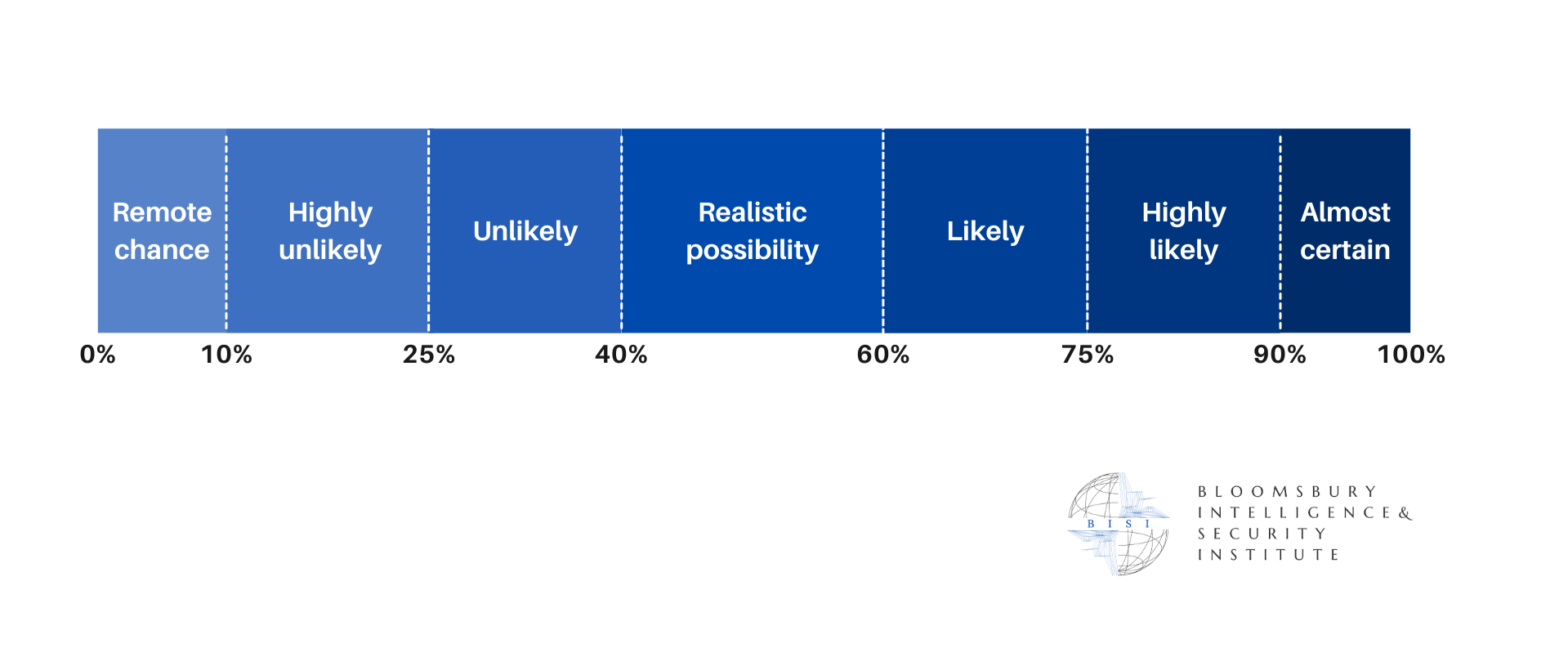
It is almost certain that continuation of moderate-intensity exchanges between Hezbollah and Israel, with periodic Israel airstrikes mainly inside southern Lebanon.
It is likely that further displacement and economic disruption in border areas will continue taking place, with limited response from the Lebanese Armed Forces.
Medium-term (3 - 12 months)
There is a likely entrenchment of the de facto buffer zone in southern Lebanon which will be characterised by reduced civilian presence and persistent instability.
Restoration of full Lebanese state control over security dynamics in the south is highly unlikely, with Hezbollah maintaining operational primacy.
Long-term (>1 year)
Prolonged economic degradation of southern Lebanon is likely, which will reinforce national fragmentation and dependence on informal systems and non-state actors.
There is a remote chance of comprehensive political or military settlement between Lebanon and Israel in the absence of broader regional de-escalation.