By Erlan Benedis-Grab | 21 April 2026
Summary
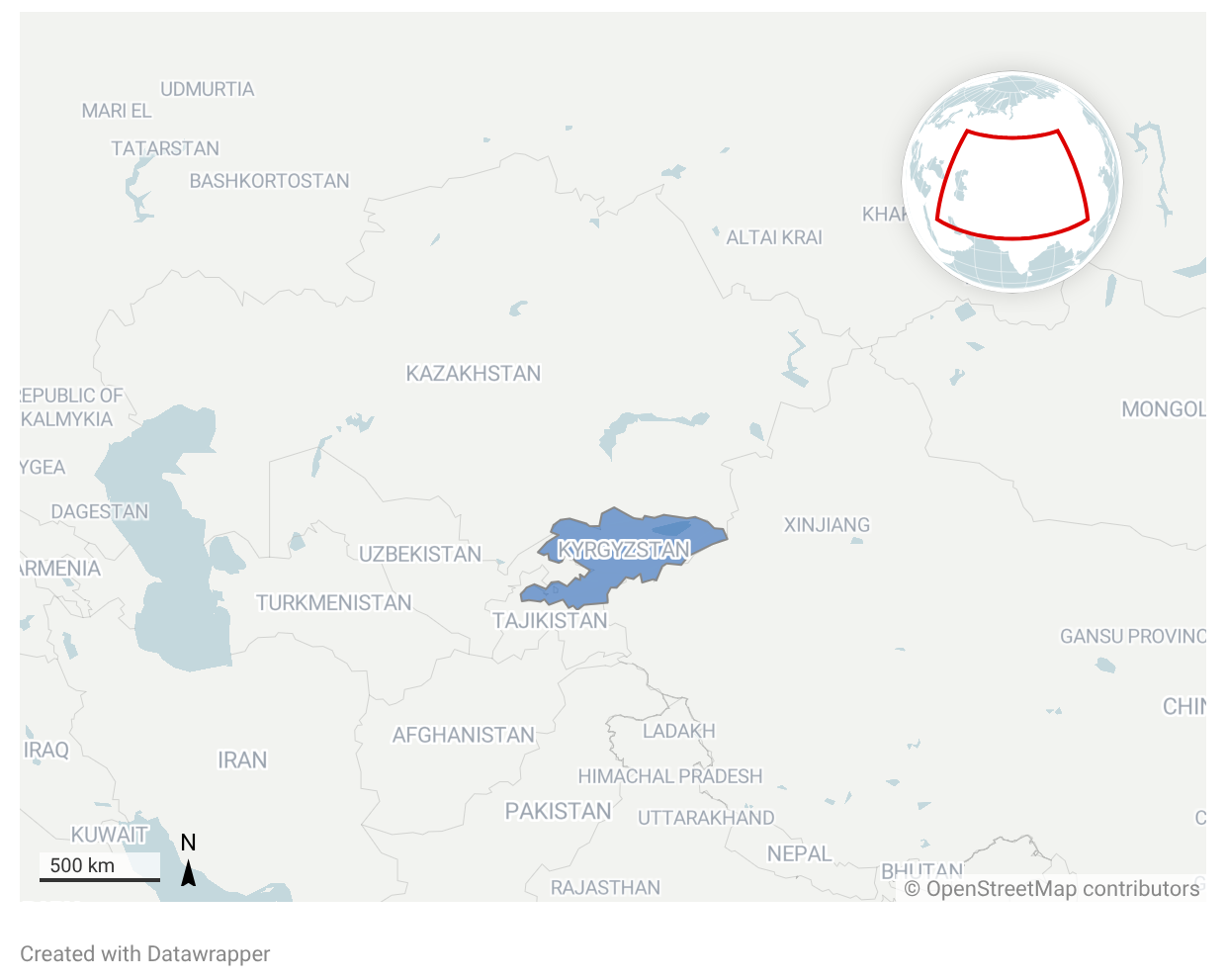
Kyrgyzstan is making efforts to reverse a decline in its exports through subsidies, credit support, customs reforms, and new transport infrastructure. Its export base remains heavily concentrated in gold and in a few trade partners.
These measures could improve export volumes, but without stronger domestic reforms and diversification, they will serve to reinforce Kyrgyzstan’s role as a transit corridor and low-complexity exporter.
Kyrgyzstan will likely make faster progress in transit and logistics reforms than in real export diversification, with benefits likely to favour larger, better-connected firms while gold remains central to export earnings.
Context
On 25 March 2026, Kyrgyzstan’s Export Development Council discussed practical measures to raise export capacity by lowering exporters’ logistics costs, expanding access to finance, and improving customs and trade procedures. The Cabinet framed support for domestic producers as a strategic priority and said the new measures would be tested before possible permanent rollout.
Kyrgyzstan’s export performance deteriorated sharply in 2025. Exports fell by 44.5%, while imports rose by 3.9%, contributing to a 10.2% decline in total foreign-trade turnover compared with 2024. The export slump was driven largely by weaker gold shipments, highlighting Kyrgyzstan's dependence on a large basic commodity.
Despite a strong gold market in 2025, the collapse highlighted Kyrgyzstan’s continued dependence on Kumtor, the country’s flagship gold mine (which accounts for about 10% of Kyrgyzstan's GDP). Output at Kumtor fell from 30 tonnes in 2023 to 26 tonnes, showing how even a modest production drop at a single mine can significantly weaken Kyrgyzstan’s exports because of the country’s heavy dependence on a large mine.
Moreover, Kyrgyzstan’s trade remains highly concentrated: in 2025, its top 5 export markets accounted for 76.6% of total exports, while its top 3 import suppliers accounted for 72.7% of total imports, with China and Russia alone making up 61.8% of imports. Overall, Kyrgyzstan’s exports remained relatively competitive, but weak domestic output continued to hold them back, likely due to poor governance and inefficient economic practices.
Implications
The government in Bishkek also continued to back gold-sector expansion through tighter state control, new project development, and improved traceability, showing that the export strategy still rests heavily on mining as well as logistics. In Harvard’s Atlas of Economic Complexity framework, “economic complexity” refers to the productive know how an economy has accumulated over time. Countries are considered more complex when they can produce a wide range of specialised goods that relatively few other economies are able to make. By this measure, gold may be a strong market opportunity for Kyrgyzstan, but it is a weak complexity-building opportunity.
As part of the push to improve the country’s competitiveness, the Kyrgyz government said it would cover part of exporters’ transport costs when logistics expenses rise, or shipping distances are especially long, while also offering preferential credit to export-oriented businesses. It paired these measures with a broader logistics buildout. On 26 March 2026, the government said it planned to build 40 additional trade and logistics centres by 2030 to strengthen the export potential of agricultural products. The programme also calls for higher rail freight capacity, expanded warehouse space, and road upgrades.
After overcoming bureaucratic obstacles, the China-Kyrgyzstan-Uzbekistan railway entered an active construction phase in March 2026. Bishkek also framed the development as a platform for wider industrial and logistics development, with Deputy Prime Minister Edil Baisalov arguing that it could attract logistics centres and assembly facilities along the route.
Additionally, Kazakhstan and Kyrgyzstan are now studying a shorter road from Almaty to Issyk-Kul that would combine new construction with the reconstruction of existing road segments, potentially cutting travel time sharply by bypassing the current route through Bishkek. Taken together, these construction initiatives suggest Bishkek is treating export growth not only as a financing issue, but also as part of a broader connectivity strategy.
These measures will likely improve connectivity and raise export volumes, but they may do so without producing real economic diversification, leaving Kyrgyzstan more dependent on mining and other low-complexity exports. There is also a risk that Kyrgyzstan becomes a more important trade corridor without developing much additional manufacturing capacity: major rail, road, and logistics projects may merely increase the flow of goods transiting through the country, rather than increase domestic value-added content to its exports. The package also carries governance risks in a country where corruption remains a persistent concern: if oversight is weak, subsidies, procurement, and infrastructure spending could be vulnerable to capture, reinforcing rent-seeking rather than broad-based export development.
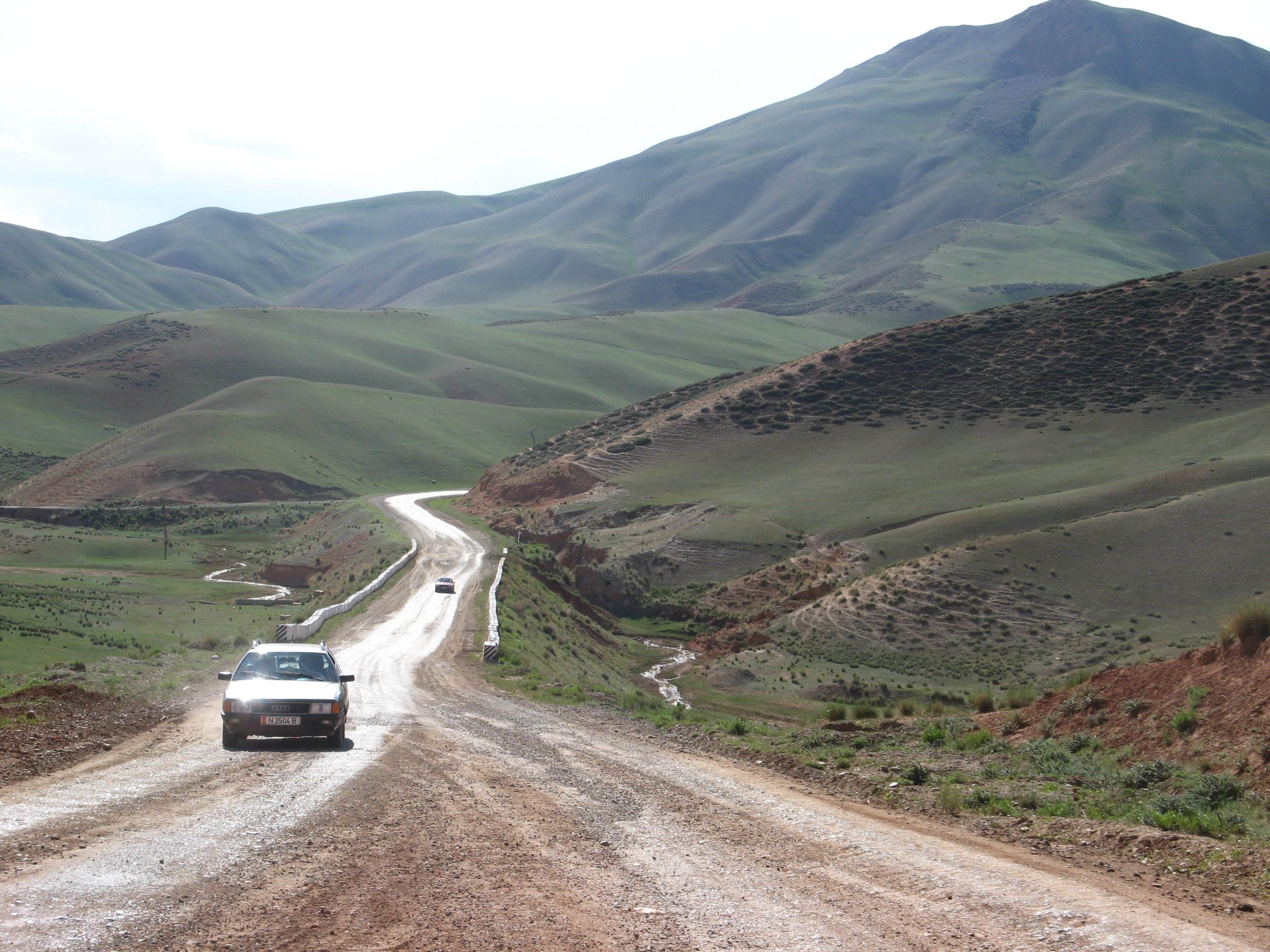
Lukas Bergstrom/Wikimedia
Forecast
Short-term (Now - 3 months)
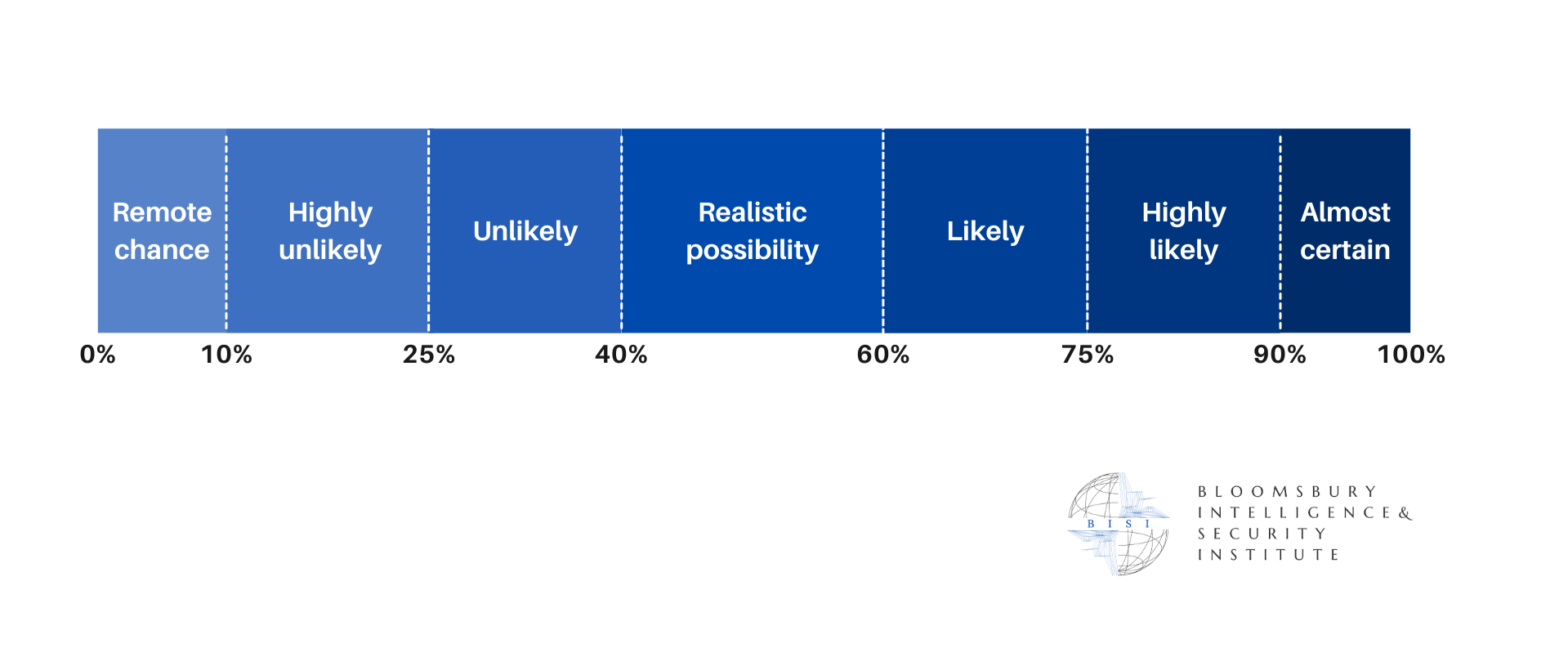
Bishkek will likely prioritise measures it can implement fast — transport-cost relief, pilot credit support, and limited customs streamlining for their political visibility over slower structural reforms.
Medium-term (3 - 12 months)
Kyrgyzstan’s role as a regional transit corridor is likely to grow faster than its productive base, with rail, road, and other logistics projects increasing cross-border flows more quickly while the value-added content from domestic manufacturing lags behind.
It is highly likely that larger firms with political access, stronger documentation, or better logistics networks are likely to benefit first, while smaller exporters remain constrained by weak financing access, bureaucracy, and corruption risks.
Long-term (>1 year)
There is a realistic possibility that export volumes may recover, but diversification will probably remain limited, with gold and other low-complexity goods still accounting for a large share of export earnings.