Khartoum Under Sudan Armed Forces Governance: Inflation, Supply Shortages, and Urban Damage in Wartime Sudan
By Stephen Nkrumah | 9 March 2026
Summary
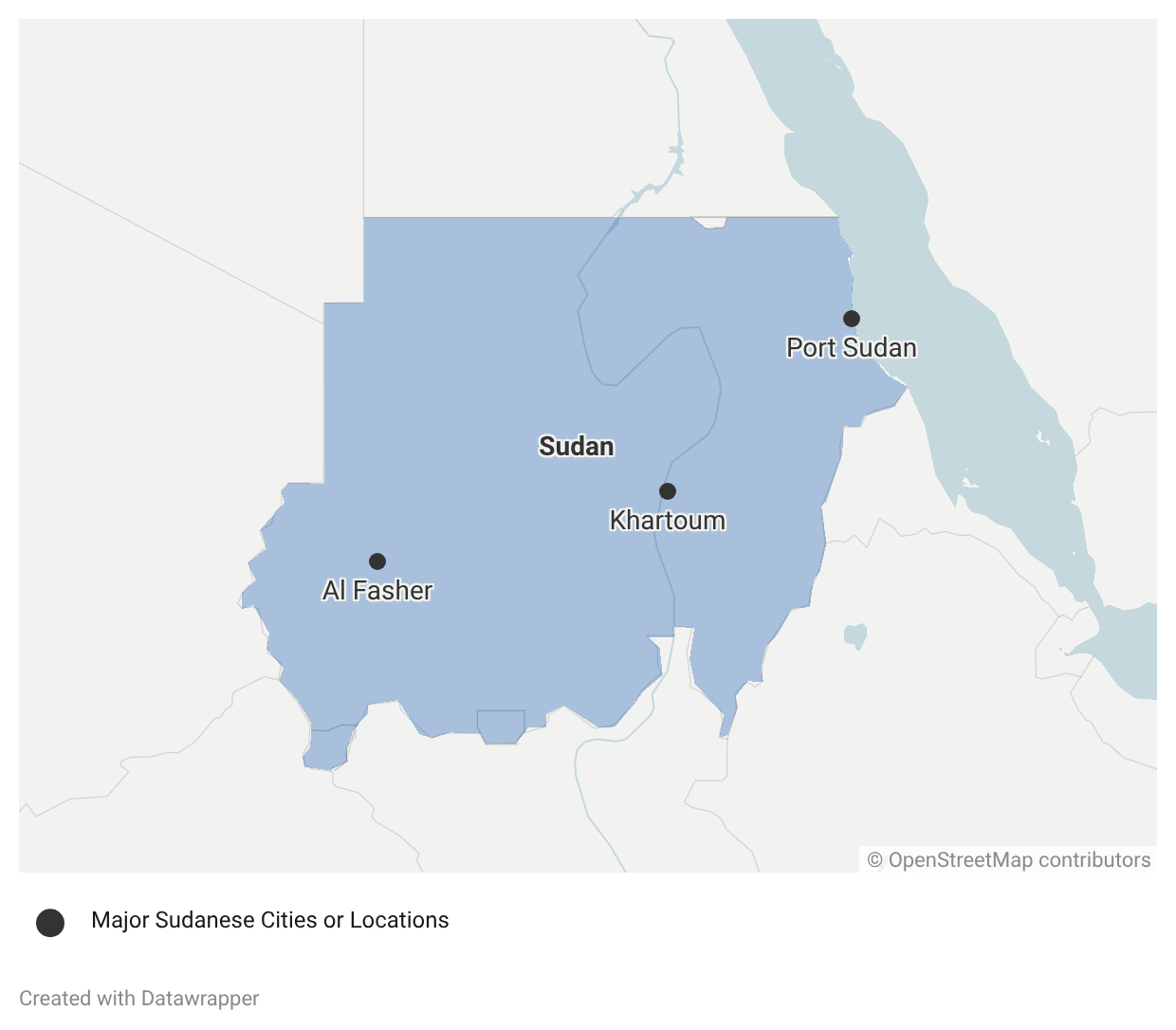
Since the outbreak of conflict in April 2023, Khartoum has been under partial administration by the Sudanese Armed Forces (SAF), with significant areas contested by the Rapid Support Forces (RSF), severely disrupting markets and basic services, leaving 45% of health facilities damaged or non-functional in some states and more than 30m people in need of humanitarian assistance.
Inflation, supply shortages, and infrastructure damage are increasing operational constraints for households, humanitarian actors, and businesses, while also heightening exposure to crime and insecurity linked to armed conflict.
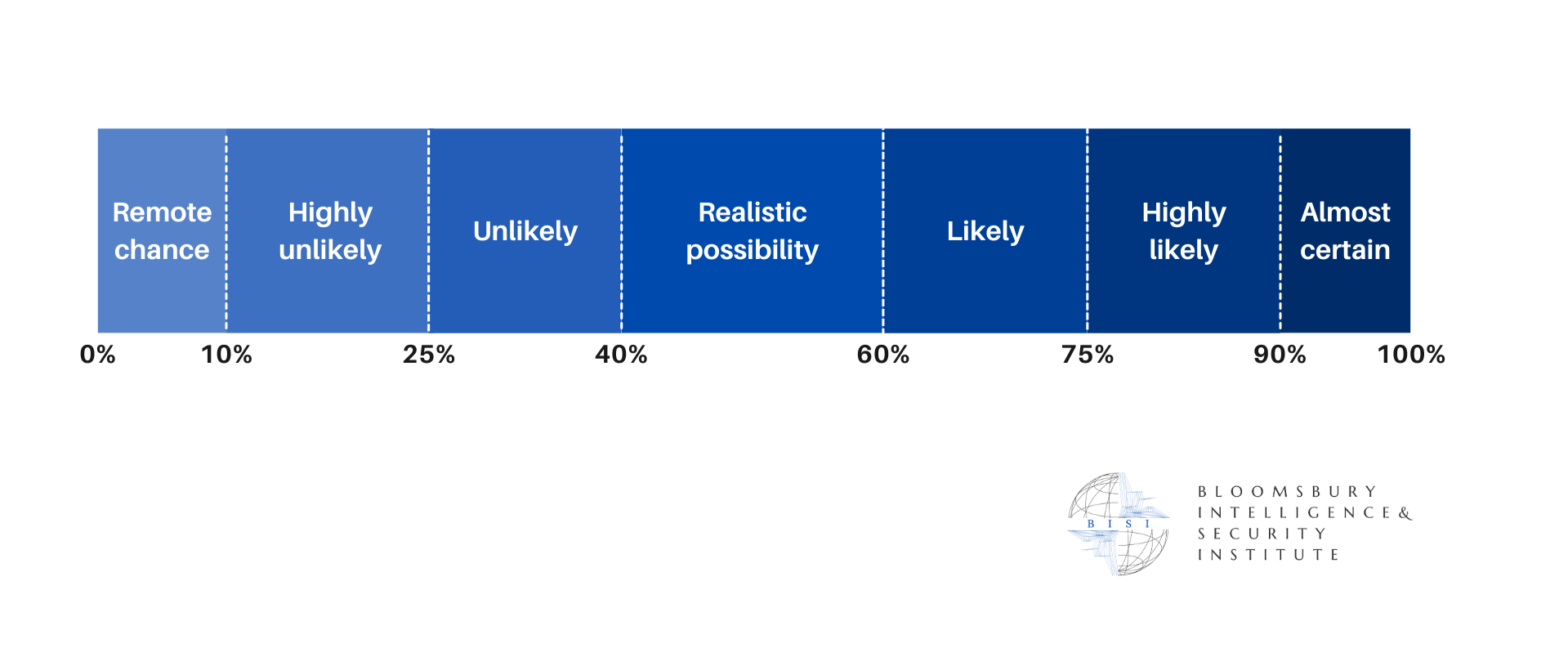
Political, operational, economic, and security risks are likely to remain high over the next 3 to 12 months, although gradual improvements in territorial security, humanitarian access, market functionality and basic service delivery are possible if fighting continues to decline.
Context
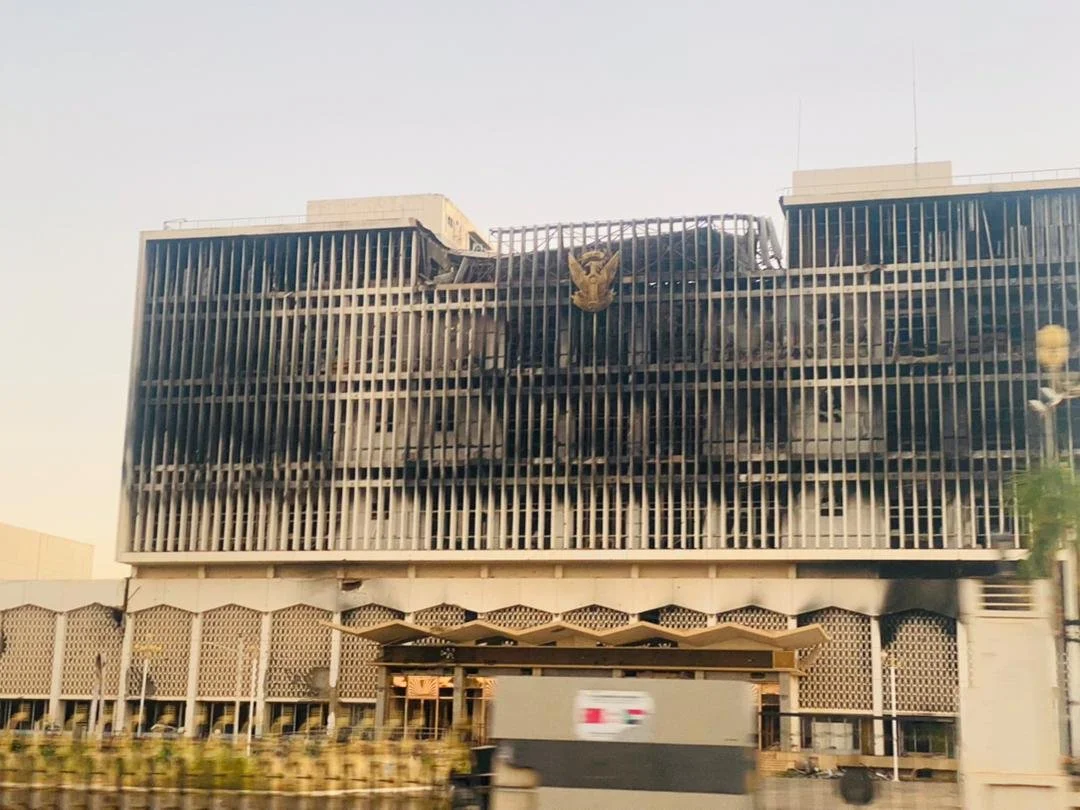
Since April 2023, Sudan has been caught in an ongoing conflict between the Sudanese Armed Forces (SAF) and the Rapid Support Forces (RSF). Khartoum, the capital of Sudan, has been one of the hardest-hit urban areas, with widespread population displacement, severe infrastructure damage, and significant market disruption. Although the SAF has at times claimed administrative control over parts of the city and nearby areas, security remains uneven and often volatile. Civilian movement remains limited by active fighting, checkpoints, and the breakdown of basic services, including electricity, water, and healthcare. The impact has been severe as about 11m people are now in need of urgent health care, and more than two-thirds of main hospitals in affected areas are out of service.
The conflict has also weakened formal financial channels and commercial logistics. Banking services and cash distribution have been repeatedly disrupted, making everyday transactions difficult and pushing many people to exchange food, fuel, household goods, and foreign currency through informal networks and barter arrangements. At the national level, Sudan was already facing fiscal and balance-of-payments pressures before the war, and these fragilities have worsened due to revenue losses and supply constraints caused by the conflict.
Sohaib Mohamed
Implications
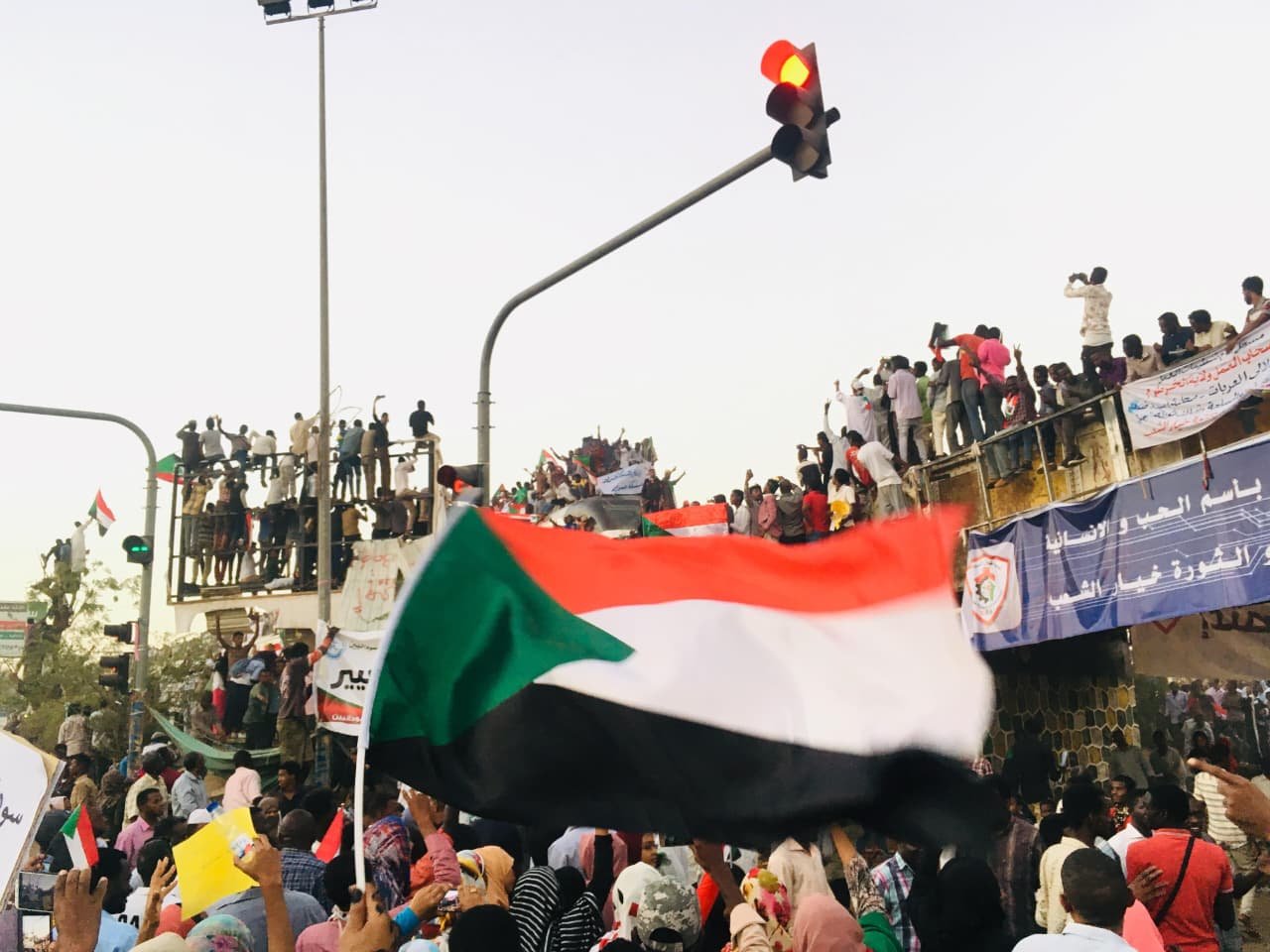
Political risks are likely to increase if governance legitimacy and service delivery remain weak in areas which are administered by the SAF. Maintaining local legitimacy depends on restoring predictable access to water, electricity, healthcare, and basic commodities, and continued shortages or unequal distribution are likely to generate grievances and reduced compliance with local authorities. On balance, legitimacy is likely to be maintained only in areas where service provision stabilises; elsewhere, it is more likely to erode gradually in the absence of tangible improvements. Wartime scarcity also raises corruption and mismanagement risks, including diversion of aid and informal taxation, which are likely to prompt stricter donor oversight, reduce funding flexibility, and shift assistance away from local authorities toward international intermediaries such as UN agencies, international NGOs, and multilateral implementing partners. Administrative fragmentation and parallel authority structures may further create inconsistent rules and disputes during recovery.
Operational risks are likely to remain high due to ongoing supply-chain disruptions caused by damaged roads, urban infrastructure, insecurity, and checkpoint delays, which will continue to affect the delivery of fuel, food, medicines, and spare parts. Financial system constraints, like limited banking services and cash shortages, may restrict payroll, procurement, and retail activities, increasing reliance on informal markets and exposing communities to fraud, exploitation, and the growing influence of criminal networks and warlords. Intermittent electricity, damaged water systems, and weak waste management also raise business interruption risks and public health concerns in densely populated areas.
It is almost certain that economic risks will remain high due to persistent inflation, weak purchasing power, and ongoing conflict-related disruptions. Sudan’s inflation rate was reported at 146.60% in late 2023 and estimated at 87.2% in 2025, indicating serious price instability and rising costs of food, fuel, and medicine. Continued supply constraints and fragmented markets are reducing household purchasing power, especially among low-income groups and displaced populations. Labour markets are shrinking because many businesses have closed, infrastructure has been damaged, and consumer demand has fallen. Large-scale urban damage is also increasing reconstruction costs and reliance on external aid, which may slow economic recovery and discourage private investment.
Security risks are likely to remain severe, affecting civilians, aid workers, and economic recovery. Intra-urban insecurity, unexploded ordnance, and intermittent fighting continue to threaten civilians and limit access to markets, services, and workplaces. Also, reduced policing capacity and the expansion of the war economy increase risks of looting, extortion, and organised crime. Health facilities and humanitarian operations also face access constraints and attacks, undermining service delivery and increasing public health risks.
Sohaib Mohamed
Forecast
Short-term (Now - 3 months)
Food and fuel price volatility is likely in Khartoum, mainly due to insecure logistics, transport disruptions, and intermittent market access.
The resulting impacts are likely to be high-severity for vulnerable households, reducing affordability and limiting access to essential goods such as food, fuel, and basic supplies.
Medium-term (3 - 12 months)
Operational challenges, including power and water disruptions, cash shortages, and unreliable supply chains, are likely to persist in the short to medium term, slowing the restoration of public services, delaying commercial recovery, and increasing operating costs for businesses.
These disruptions are expected to most severely affect low-income households and small businesses, especially in areas under SAF administration, where access to healthcare, food markets, and financial services will remain constrained, making daily economic and social activities more difficult.
Long-term (>1 year)
Large-scale urban recovery is possible but likely uneven, with high severity in areas where corruption, poor coordination, and insecurity block reconstruction and return efforts.
The impacts will mostly hit residents and local businesses, limiting access to essential services and slowing overall recovery.