Board of Peace: US’s Increasing Presence in the Central Asian Political Landscape
By Daniyar Egen | 10 March 2026

Summary
On 19 February 2026, the first meeting of US President Donald Trump’s “Board of Peace” took place, with two Central Asian republics represented by their respective presidents: Kazakhstan by Kassym-Jomart Tokayev and Uzbekistan by Shavkat Mirziyoyev. Notably, the President of Azerbaijan, Ilham Aliyev, has joined as well.
By creating this new organ, Trump gave a chance to several Central Asian states to play a bigger role in international politics and strengthened his influence in the region.
The growing presence of the US in Central Asia is a point of concern for non-Western powers competing for influence in the region. However, it remains unclear what the future of this board will be after the current administration.
Context
19 February 2026 marked the first day of the “Board of Peace”, initiated by Trump with the official purpose of maintaining global peace, currently focusing on rebuilding Gaza. Two of the Central Asian states have participated, namely Kazakhstan and Uzbekistan, with their respective leaders travelling personally to Washington. Alongside them was Aliyev, strengthening the very recent trend of Azerbaijani foreign policy of seeking even closer ties to Central Asia and trying to reinforce the C6 concept (5 Central Asian republics: Kazakhstan, Kyrgyzstan, Uzbekistan, Tajikistan and Turkmenistan plus Azerbaijan).
Importantly, all three presidents have been working towards their respective goals, meeting with various business representatives and with their diasporas. In his speech, Tokayev has pledged not only to contribute, alongside eight other countries, a combined total of USD 7 billion for Gaza relief, but also to provide 500 educational grants for students from Gaza and to supply peacekeepers.
Implications
Leaders of Central Asia wish for the region not to be seen as “Russia’s backyard” or just as mediators between Moscow and the rest of the world. Sizeable contributions to world peace attempts can help elevate the region’s and, most importantly, the country’s reputation, helping create a new role in the changing geopolitical landscape. Multilateral diplomacy is essential for Central Asia’s further economic and political development, as the countries are trying to coordinate their position.
While Kazakhstan was seeking to take a leading role, with some media speculating that this might be an attempt by Tokayev to gain momentum for a potential candidacy as UN Secretary-General or to draw attention away from domestic mishaps, Uzbekistan and Azeirbaijan reacted had adopted a more reserved approach.
Uzbekistan and Azerbaijan are also among the nine countries that have pledged the combined USD 7b in Gaza reconstruction, yet Uzbekistan’s leadership decided to focus solely on “economic and social restoration of Gaza”, without supplying the peacekeepers. Mirziyoyev also underlined Uzbekistan’s support for rebuilding nurseries, schools, and hospitals. Azerbaijan, although part of the initial nine contributing countries, later confirmed that “Azerbaijan doesn’t envisage participating in the USD 7b financial initiative related to Gaza that was announced during the meeting of the Board of Peace in Washington,” as stated by presidential adviser Hekmet Hajiev. This, however, is not surprising, given that Azerbaijan is Israel’s primary oil supplier, receiving support in high-tech and digitalisation in return. This results in Azerbaijan's tricky position: not to lose its valuable customer and partner while still following the common Central Asian trend of becoming an independent geopolitical unit.
Forecast
Short-term (Now - 3 months)
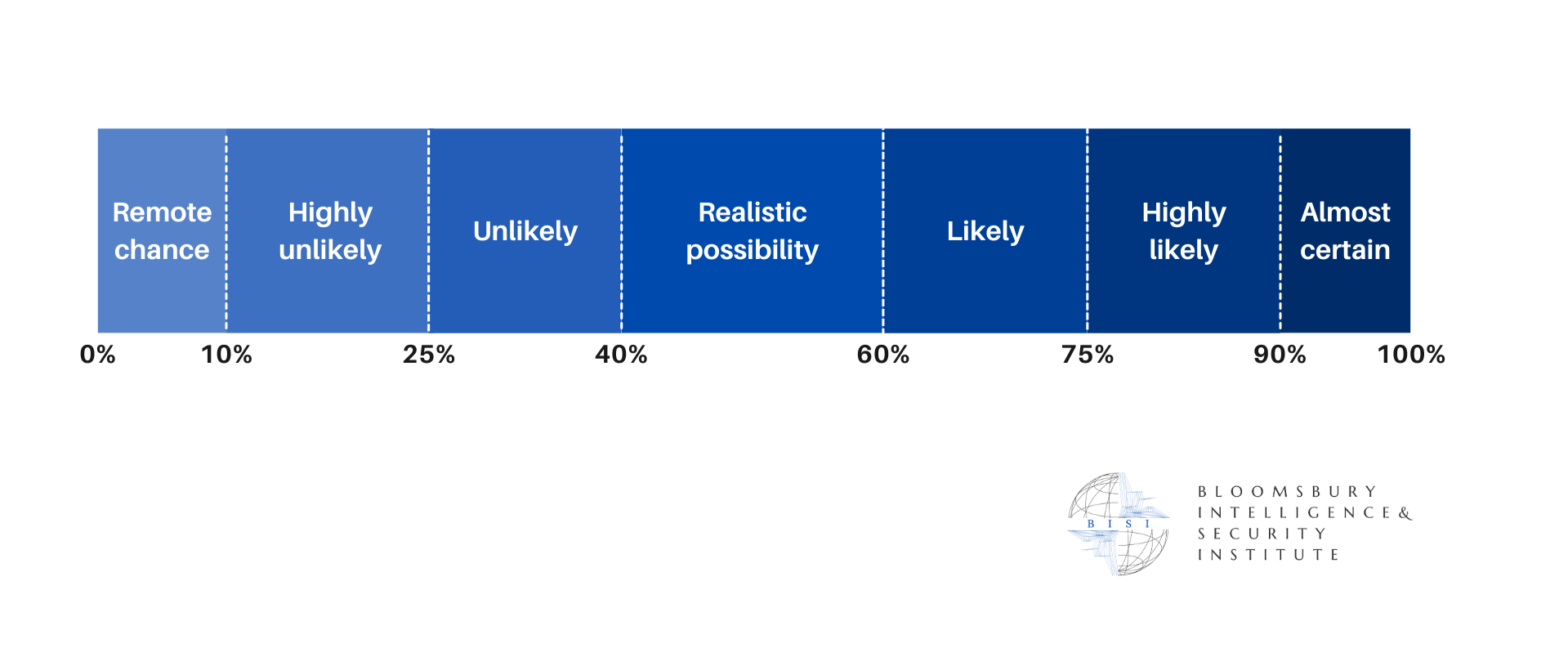
The pledges to support Gaza financially will highly likely result in domestic backlash in Kazakhstan, as the country demands more reforms to ensure a viable future within the country.
It is also highly likely that deployment of troops on foreign soil will be unpopular with the civil society.
There is, however, a remote chance that these policies will be met with more enthusiasm by the Muslim majority of the region.
Medium-term (3 - 12 months)
As the financial burdens of every country become clear, it is almost certain that the general public will demand an explanation as to why the resources are not invested internally.
Long-term (>1 year)
It is likely that the “Board of Peace” will continue to have regular sessions until the end of Trump’s presidency, yet it remains unclear how these funds will be managed after the change of administration.