By Mason Hurlocker | 27 October 2026
The views expressed in this article are the author’s own and do not reflect those of any institution with which the author is or may be affiliated.
Summary
On 14 October 2026, SpaceX reportedly capped the speed at which its military satellite service can operate in Ukraine, disabling Ukrainian interceptor drones and highlighting the degree to which European security relies on a single United States (US)-based provider.
The following day, the European Commission began preparations to fast-track approval of Project Bromo, a merger of the Airbus, Thales, and Leonardo space businesses intended to create a European alternative to SpaceX.
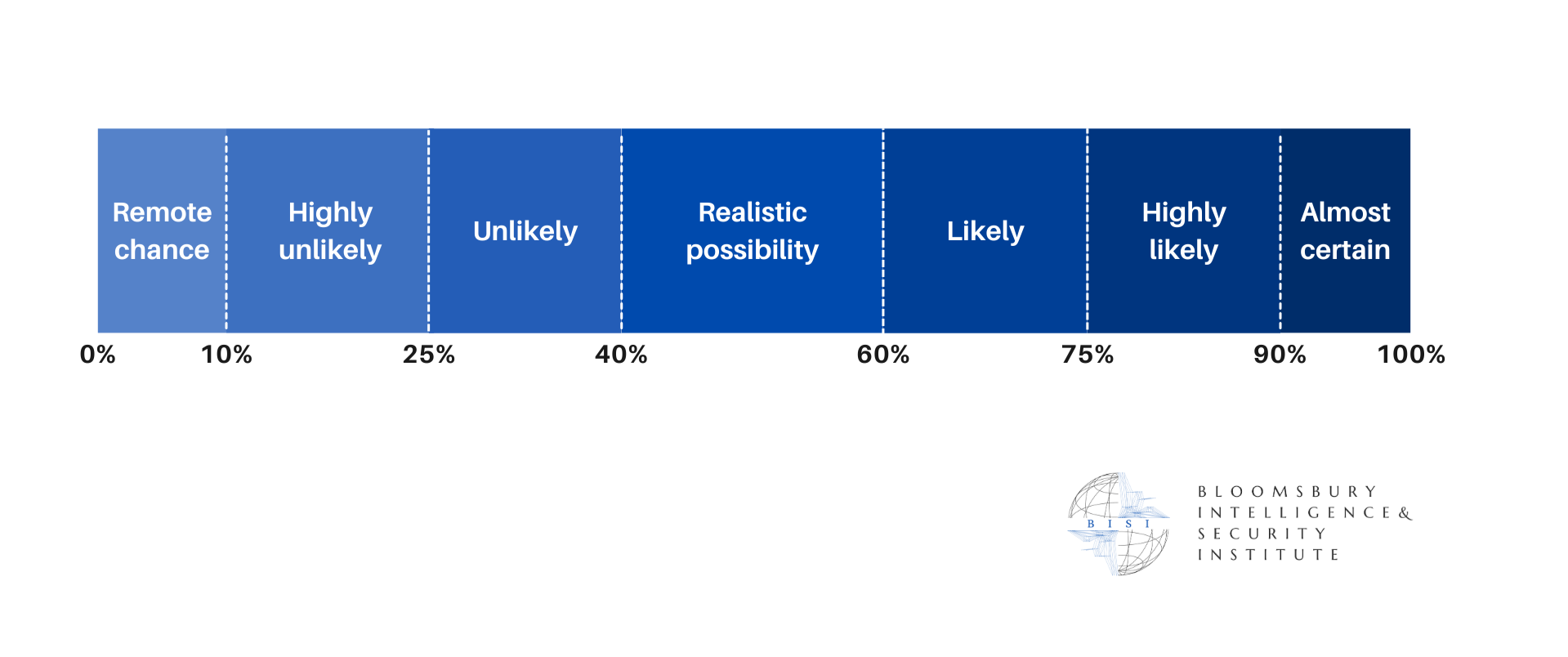
A merged ‘champion’ is likely to strengthen Europe’s satellite industry, but it is highly unlikely to close the gap with Starlink before the EU’s own constellation launches in 2029, leaving Ukraine and European militaries mostly dependent on US-controlled services for the rest of the decade.
Context
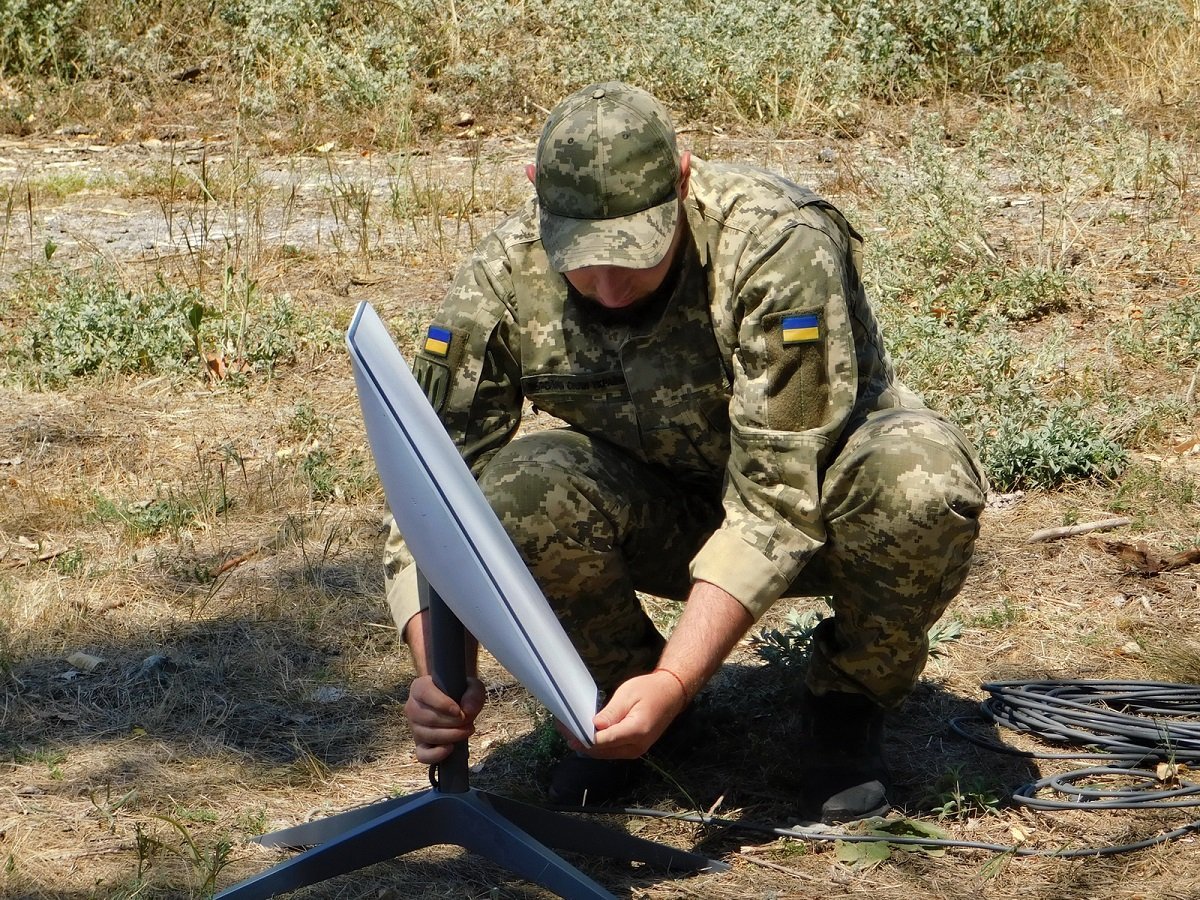
On 14 October 2026, Starshield terminals, the military version of SpaceX’s Starlink service, began losing connectivity in Ukraine at speeds faster than 161 km/h. This cap effectively prevents Ukrainian interceptor drones from engaging Russia’s jet-powered Shahed drones, and has also disrupted unmanned supply deliveries to frontline troops. On 17 October, President Volodymyr Zelenskyy said that the limit applies in Ukraine but not in European Union (EU) countries, calling it “a planned operation”. The order reportedly came from inside the White House at the suggestion of SpaceX owner Elon Musk, although US President Donald Trump has denied that either of them was responsible, and Musk has said such limits are decided by the US military. Then, on 18 October, US Secretary of State Marco Rubio stated that Ukraine “do not have access to [Starshield] at this moment”, and that Ukrainian requests to access the system for strikes deep inside Russia are “under discussion”.
These events come amid another sharp deterioration in relations between Washington and Kyiv, after Trump agreed to a deal to import Russian diesel and demanded that Ukraine halt strikes on Russian oil refineries. Starlink has been central to Ukraine’s war effort since 2022, and European governments pay for much of it: Poland alone has supplied 24,400 terminals, around half of those now operating in the country.
On 15 October, Bloomberg reported that the Commission is preparing to fast-track approval of Project Bromo, which would combine the space divisions of Airbus, Leonardo, and Thales into a single company. The venture would have around 25,000 staff and an annual revenue of about EUR 6.5b (USD 7.3b), and be headquartered in Toulouse. If the companies offer remedies such as asset sales to ease critics’ concerns, approval for the merger is likely to follow a first-phase review of just over a month, well ahead of the second half of 2027, as Leonardo had previously expected.
In the short term, Europe cannot replace Starlink in Ukraine at scale. Zelenskyy has said that European partners are working on an alternative, and that Ukraine also has plans for its own constellation, but neither will be ready in time to affect the war’s course this winter. Ukraine and European militaries are highly likely to remain dependent on US-controlled satellite services for frontline communications until at least 2030.
Implications
The restriction highlighted that Ukraine’s battlefield communications can be degraded within hours, without warning, by a decision made across the world. And while European governments fund a large share of Ukraine’s access to the technology, they have little to no say over how it is used. The operational risk is especially acute because Starlink, with around 42,000 terminals in Ukraine by early 2025, underpins much of the country’s drone warfare, from interceptor drones to supply deliveries for frontline troops.
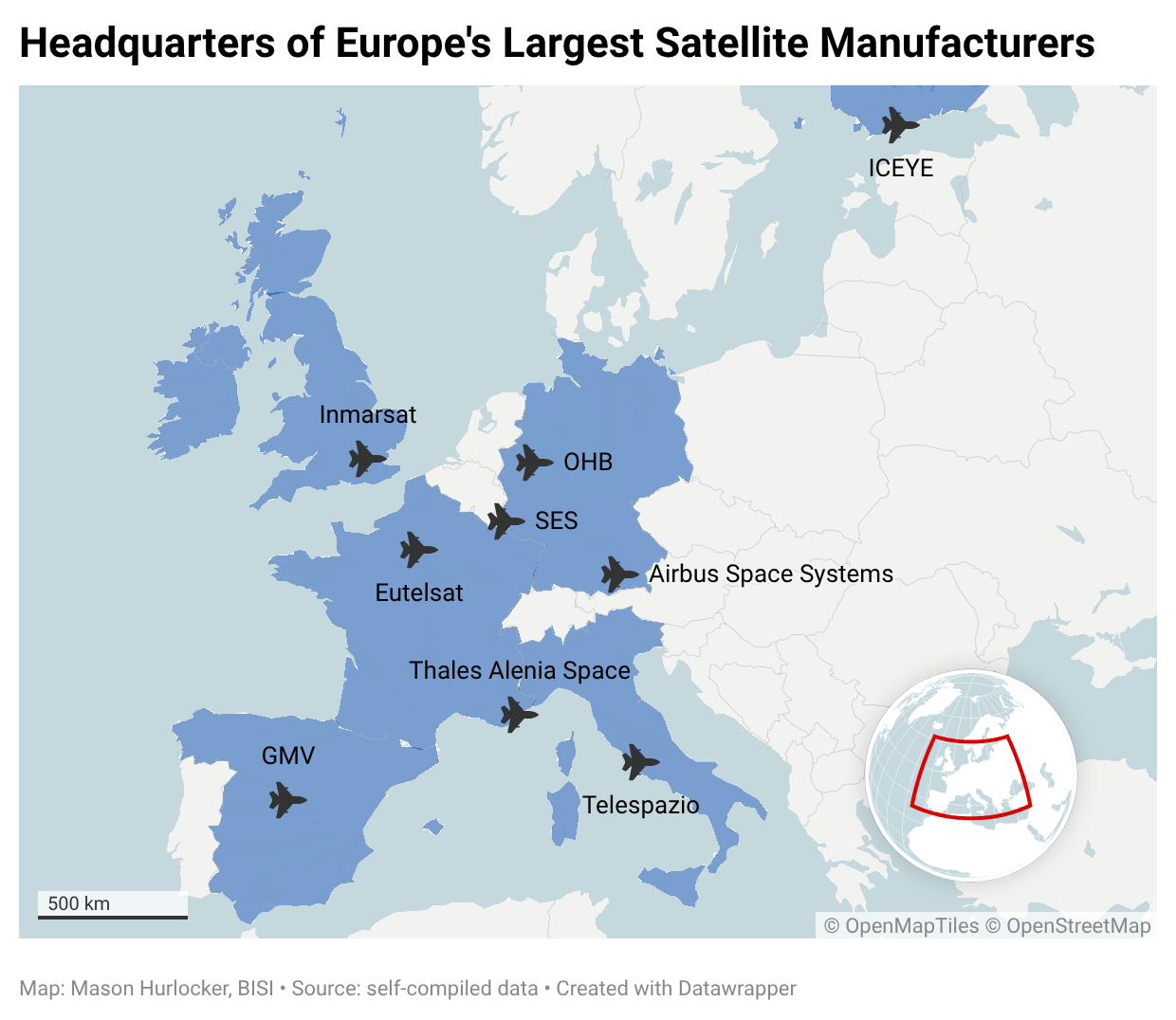
The merger consolidates satellite manufacturing, where Airbus, Thales and Leonardo currently compete for a limited number of institutional contracts. However, it is not intended to create a single European operator of a mass low-orbit network. Starlink has more than 10,000 satellites in orbit, while IRIS², the EU’s sovereign alternative, will have 348, with first launches scheduled for 2029. Until then, Europe’s main option is Eutelsat’s OneWeb network. In 2025, France raised its stake in Eutelsat to around 30%, and its armed forces signed a contract worth up to EUR 1b (USD 1.1b) for priority military access to OneWeb. Nonetheless, the network is a fraction of Starlink’s size, with around 650 satellites currently operational.
The merger is also an early test of the Commission’s draft revised merger guidelines, published in April 2026, which give more weight to scale, supply-chain resilience, and defence considerations. Yet EU Competition Commissioner Teresa Ribera has cautioned that the project “would not receive automatic approval”. Germany’s satellite manufacturer OHB and Spain’s Indra Space have objected that the merged group would dominate smaller suppliers, and OHB’s chief executive has said the company will consider legal action if Brussels approves the deal.
These tensions sit within a broader rush by the EU to spend on satellite-related capabilities. European military space investment is expected to exceed USD 109b by 2030, with Germany committing EUR 35b (USD 39b) over five years and France EUR 10.2b (USD 11.4b) for 2026-2030. However, without coordination, this spending may amount to “an aggregation of national systems, rather than an integrated operational architecture”. A single Airbus-Thales-Leonardo champion alongside separate German, French and British national programmes would fit this pattern.
Mil.gov.ua/wikimedia, CC BY 4.0
Forecast
Short-term (Now - 3 months)
Washington is likely to restore Ukraine’s full Starshield access only partially or conditionally, keeping satellite services as leverage in its dealings with Kyiv.
European governments are likely to fund additional OneWeb terminals for Ukraine as a stopgap, despite the network’s far smaller capacity.
The Bromo Project partners are highly likely to file with the Commission within weeks, and the deal is likely to be cleared in a first-phase review with remedies.
Medium-term (3 - 12 months)
There is a realistic possibility that OHB challenges the approval before the EU’s General Court, deepening intra-EU friction over defence industrial policy.
Long-term (>1 year)
The episode is likely to strengthen both European-content requirements in EU defence procurement, especially for space services, and the broader case for European strategic autonomy in future debates over EU defence spending.