By Trishnakhi Parashar | 16 March 2026
Summary
On 28 February 2026, following a series of missile attacks, Iran late in the evening effectively shut the Strait of Hormuz, a critical maritime corridor for Gulf energy exports, precipitating widespread apprehension about disruptions to oil and gas markets.
Recent military escalations permeating Gulf nations are driving significant structural shifts in logistics planning and supply chain resilience, as stakeholders seek to safeguard against potential future disruptions.
Oil prices spiked dramatically by as much as 30%, with Brent climbing above USD 100 per barrel while gas benchmarks also surged, as markets reacted to the sudden interruptions.
Context
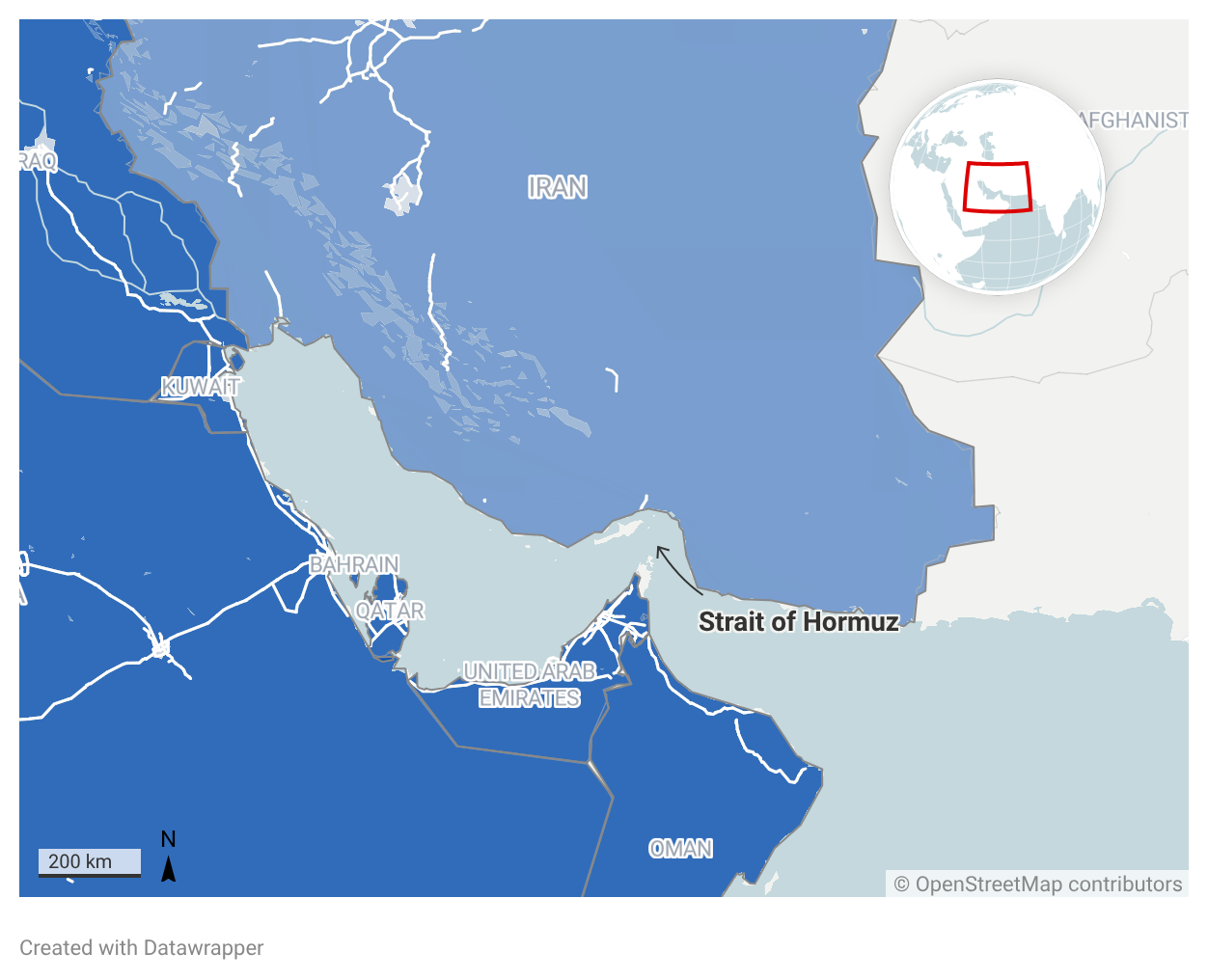
Amid a frantic diplomatic scramble and a series of explosions reverberating across the Middle East, Iran decided to close the Strait of Hormuz. The Islamic Revolutionary Guard Corps (IRGC), in an official statement, declared that all vessel traffic through the strategic passage is suspended until further notice. They are effectively turning the situation into a form of economic warfare by disrupting the corridor to exert pressure on global energy flows. The Strait of Hormuz connects the Persian Gulf with the Gulf of Oman. The strait is a narrow but vital maritime passage through which the Gulf states access the Arabian Sea and the wider international maritime network. As a heavily trafficked maritime artery, it facilitates the daily transit of roughly 15-20 m barrels of crude oil and about one-fifth of global liquified natural gas (LNG) supplies, making it indispensable to global energy supply chains.
The closure of the maritime channel amid ambiguity and risk has disrupted operations, forcing several vessels to turn back and pause future transits through the Strait of Hormuz. A growing number of oil tankers, LNG shipments, and cargo ships have reportedly accumulated alongside key regional ports. According to the UK Maritime Trade Operations agency, multiple vessels operating in the Mideast Gulf have been notified via radio transmissions of the closure of the Strait of Hormuz. Meanwhile, Maersk, a Danish global shipping group, announced it has suspended all vessels sailing through the Strait of Hormuz due to the worsening security situation in the Middle East region. Recent reports indicate that oil tankers have been targeted back-to-back while crossing the Strait of Hormuz. However, Oman's Maritime Security Centre (MSC) has been able to remove the crew from the damaged tanker and confirmed that they are diligently observing the situation.
Oil markets have responded very quickly and sharply to the escalations around the Strait. Brent crude oil futures surged by about 25 % to the highest level since 2022. On 9 March 2026, early trading, prices climbed as high as USD 119.50per barrel before easing slightly. However, prices later moderated to around USD 100 as initial volatility subsided. Iran’s own situation stands to suffer as well, as it daily exports roughly 1.6 m barrels of oil, predominantly to China. Only recently, eight OPEC+ members confirmed a preplanned increase of 206,000 barrels per day in April, signalling a modest boost in production. However, drone strikes on the world’s largest oil refineries in Saudi Arabia, Aramco, coupled with attacks targeting a water tank belonging to a power plant in Mesaieed, and another facility belonging to QatarEnergy, highlight a broader risk facing Gulf energy infrastructure. Gas markets are affected too, as one of the major producers, Qatar, is said to have paused LNG production at the world’s top plant.
Implications
The ongoing tension around the Strait of Hormuz carries significant political implications. Attacking Saudi Arabia, Qatar and other nations had already strained Iran’s political relations with the Arab Gulf nations, but its declarations that the strait is closed and attacks on oil tankers while crossing the strait have clearly diminishing diplomatic relations Iran had or was trying to maintain with other energy-dependent nations, which rely on the strait for uninterrupted flows of Gulf crude and LNG.
From an operational standpoint, the effective suspension of traffic through Hormuz, with commercial carriers such as Maersk and Hapag-Lloyd halting transportation and suspending vessels from sailing through the strait, has drastically disrupted already established logistics patterns. Several major shipping companies have also redirected vessels around Africa to avoid further disturbances. CMA CGM has made public that an Emergency Conflict Surcharge will be applied to shipments surrounding the Strait of Hormuz area. Moreover, Very Large Crude Carrier (VLCC) rates from the Middle East to Asia have quadrupled this year, reflecting how quickly operational costs escalate when at risk. The strait has moved from “high risk” to “no-go zone” for the shipping industry.
In terms of security implications, the Strait of Hormuz currently remains a highly sensitive checkpoint. Iran’s explicit warnings that the strait is closed and its readiness to target ships have raised concerns for the safety of civilian crews aboard commercial vessels. Escalating military actions in the strait, particularly after the targeting of two vessels in transit that left one crew member dead and several others rescued by Oman’s authority, have rendered the passage highly perilous at this time. All transportation has been halted or rerouted due to significantly increasing navigational risk, security concerns, and compounding uncertainty for operators.
The economic implications are extensive and still soaring. The closure of the corridor is affecting oil prices and poses a risk of destabilising global energy exports. Global oil and gas markets have surged as the situation escalates around key oil and gas exporters around the world. Simultaneously, higher shipping and insurance costs feed into broader price pressures. With transit becoming uncertain, even nations geographically distant from the Gulf feel the impact through global commodity pricing mechanisms. Apart from oil and gas, the impact of the escalations in the Middle East has also manifested in stock markets in major countries as well. Financial markets respond through fluctuations in currency movements and capital flows. Ultimately, the economic implications of the disruptions in the Strait of Hormuz are far-reaching.
Forecast
Short-term (Now - 3 months)
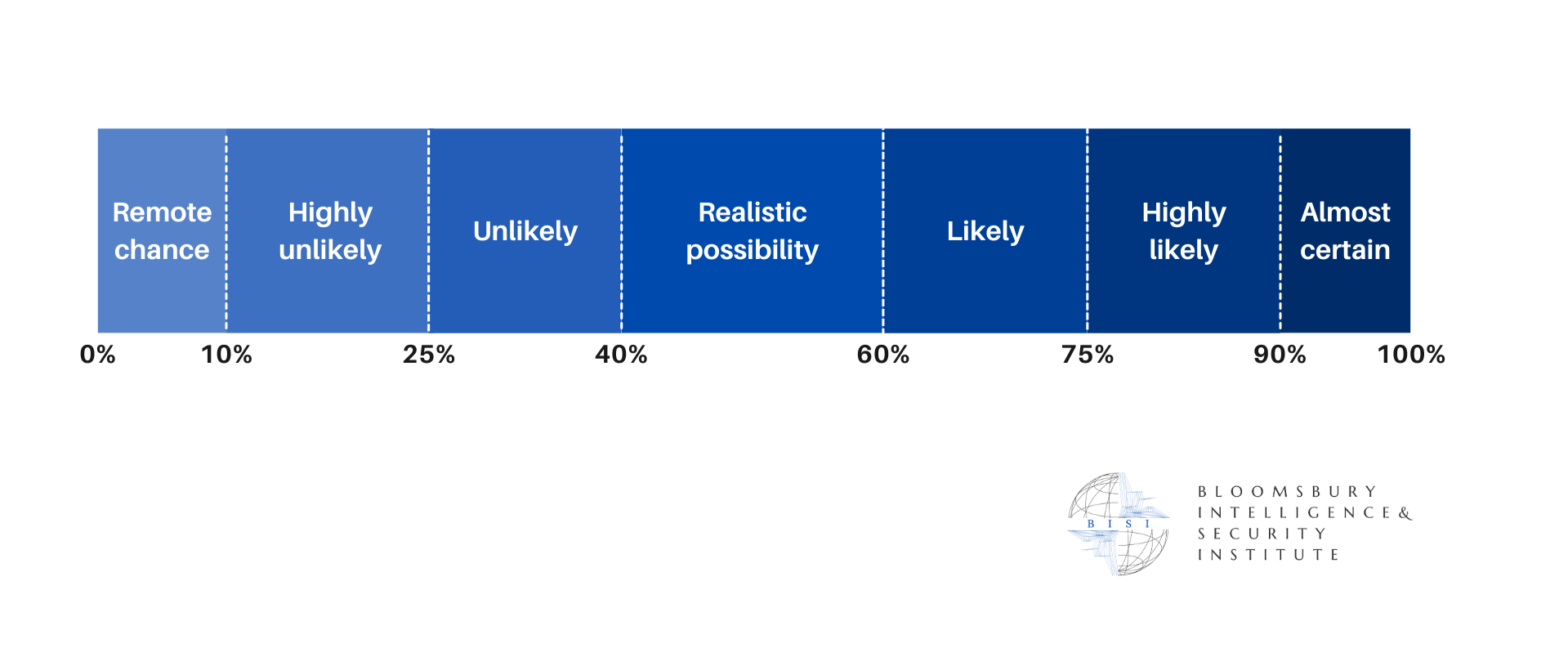
Commercial carriers will likely avoid or delay transit through the strait until there is greater clarity regarding the security environment and assurances for the safe passage of the vessels. If shipping through the strait remains suspended for a longer period, oil and natural gas prices are very likely to double as supply disruptions intensify across global energy markets.
Countries are highly likely to search for non-Gulf options. Particularly for Asian markets, Russian crude oil would emerge as an immediate alternative. Middle Eastern nations are likely to reroute energy exports away from the strait through alternative pipelines and Red Sea ports.
Iran is unlikely to sustain a prolonged closure of the Strait of Hormuz.
If Iran were able to close the strait for an extended period, restricted access to Gulf oil would pose a substantial threat to Iran itself, as the United States, France, Israel and other like-minded partners would likely to take decisive action to reopen and secure the waterway
Medium-term (3 - 12 months)
In the medium term, the Strait of Hormuz is unlikely to remain a secure zone, commercial vessels may transit under naval escort.
Long-term (>1 year)
In the long term, the whole situation is likely to normalise but it will reshape regional security arrangements and energy supply strategies.