By Stephen Nkrumah | 3 August 2026
Summary
In early June 2026, the Ghana Meteorological Agency (GMet) warned that the Coastal Zone was expected to receive between 100 and 150 mm of rainfall, with repeated flash floods and severe rainstorms to be expected before the major flooding that struck Accra on 29 June, 2026.
The floods caused widespread disruption across Greater Accra, which affected roads, the supply of electricity and emergency response. According to the official report of the parliamentary briefing, 38,802 people were affected, 7,761 households were displaced, 12 people lost their lives, and 7 others were reported missing.
Apart from the direct destruction that was caused by the flood, the event is likely to increase calls for stronger urban flood management, faster early warning systems, and improved contingency planning, especially in Greater Accra, which is one of the most economically important and flood-prone regions in Ghana.
Context
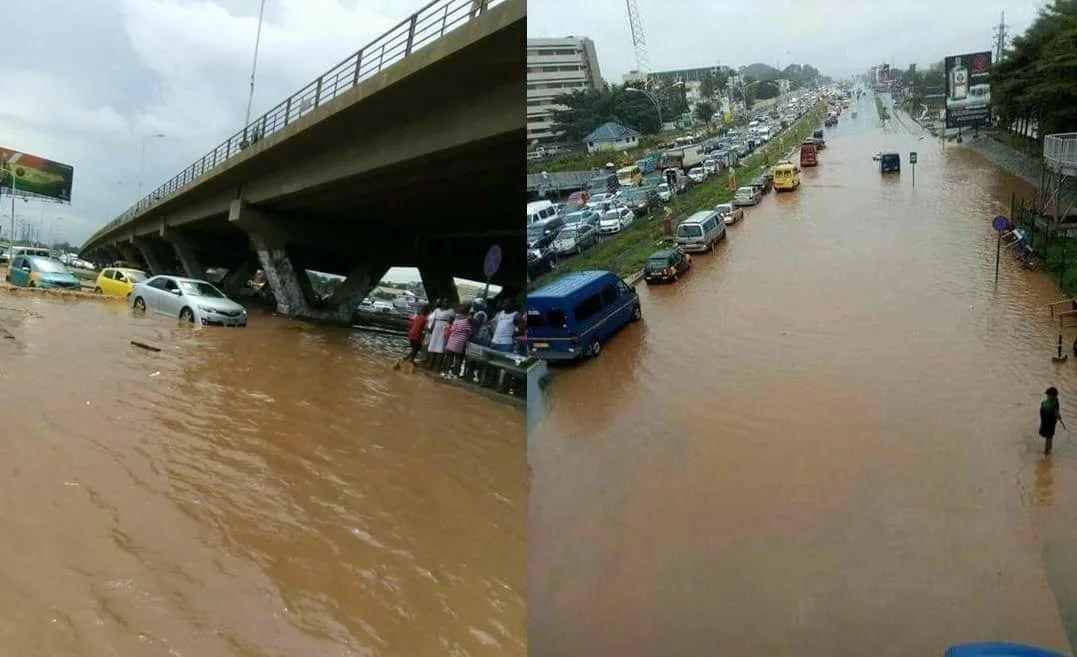
In June 2026, Ghana received a warning from the Ghana Meteorological Agency (GMet) that the Coastal Zone was likely to experience normal to above-normal rainfall. The agency advised disaster management institutions and the public to prepare for possible localised flooding. As the month progressed, GMet issued extra alerts, including a flash-flood guidance for coastal Ghana on 3 June and a severe rainstorm warning for southern Ghana on 10 June. Heavy rainfall on 29 June caused widespread flooding across Accra, including several major roads, which forced the authorities to urge residents to stay indoors and avoid unnecessary travel.
According to the parliamentary update on the incident on 1 July, the floods affected 38,802 people, displaced 7,761 households, claimed 12 lives, and left 7 people missing. The floods also disrupted essential services like Ghana Grid Company Limited (GRIDCo) and the Electricity Company of Ghana (ECG), which temporarily caused the shutdown of the Mallam and Achimota substations for safety reasons, while the Ghana National Fire Service (GNFS) expanded rescue operations across Accra, Tema, and nearby communities.
Implications
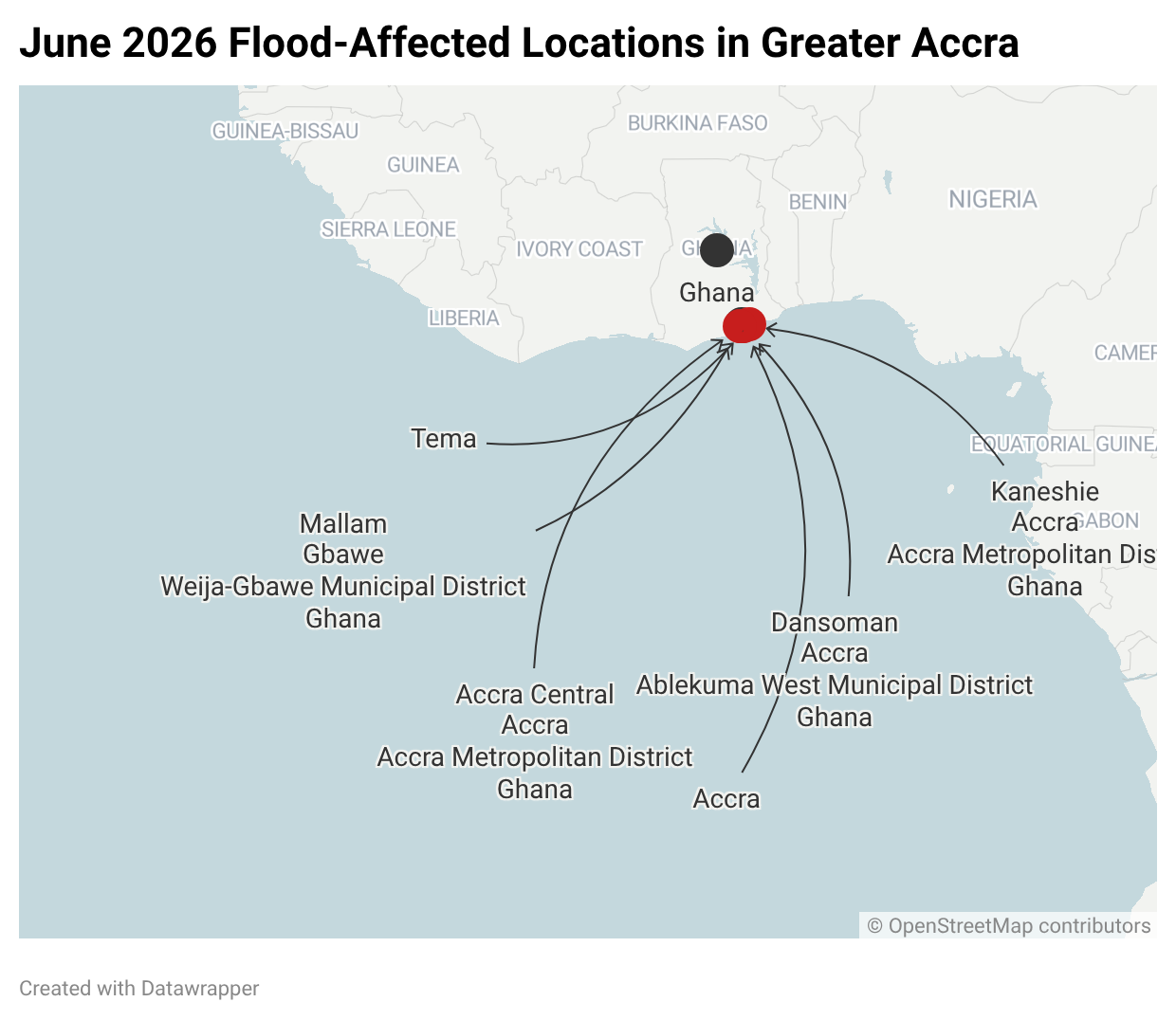
Operationally, business activities are likely to face further disruptions, especially in low-lying parts of Greater Accra such as Accra Central, Kaneshie, Dansoman, and parts of Tema. In these areas, flooding typically leads to road closures, temporary power outages, and delays in emergency response. Businesses that depend on imports, exports, logistics, and digital systems may experience slower operations, supply chain delays, and higher operational costs. Flooding may also reduce labour availability, especially in communities that are frequently affected by floods. Informal traders and casual workers in low-lying areas, including Accra's Central Business District (CBD) and Kaneshie, are mostly vulnerable because floods can prevent them from getting to their workplaces or carrying out their daily activities. Businesses that rely heavily on transport and access to markets are also likely to be affected. These include retailers and logistics companies that serve Tema Port, which is a key gateway for imports of consumer goods, machinery and exports of cocoa and processed foods.
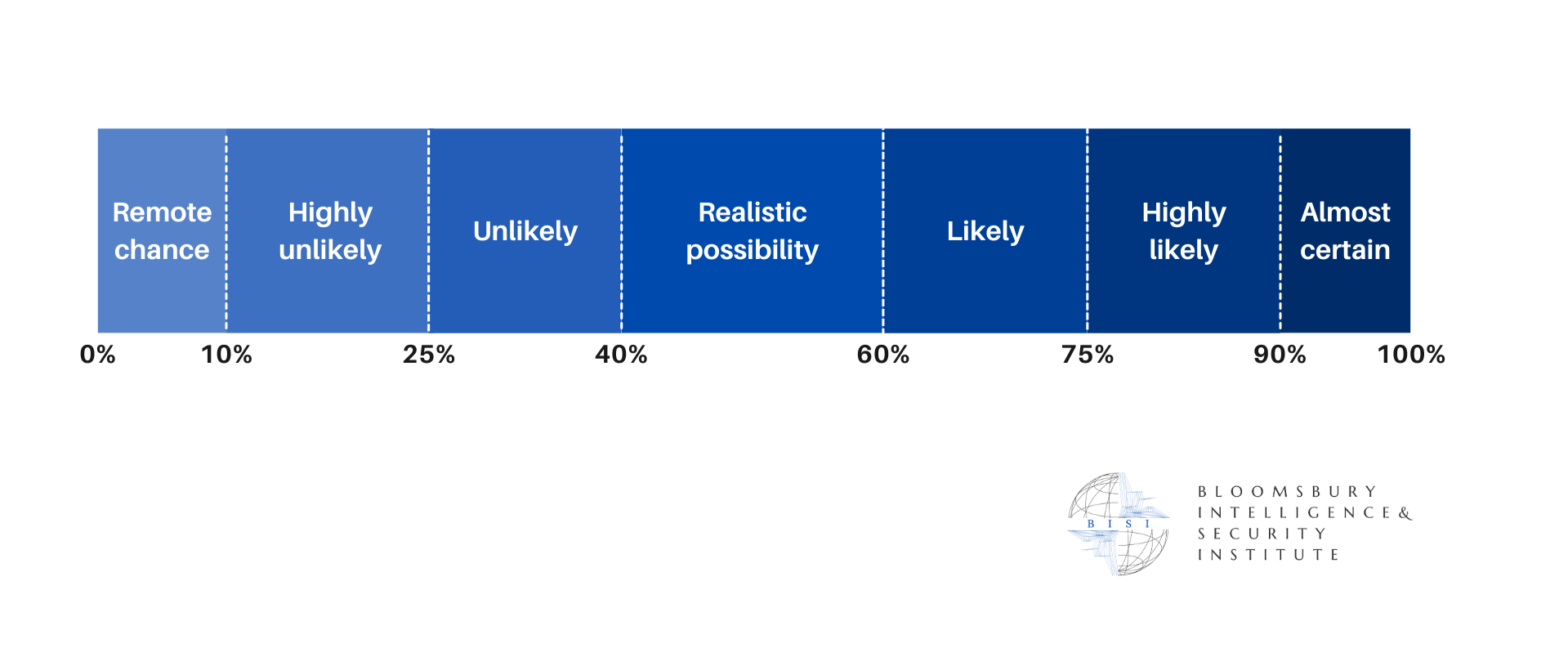
From a security perspective, the situation is likely to increase risks to personnel, business operations, and critical facilities. The flood is likely to leave homes and commercial places vulnerable to theft, while transport services and communication networks that are adversely affected can prevent emergency response and security operations when needed. There is also a realistic possibility that it will disrupt the operation of critical infrastructure like electricity, water, and telecommunication systems. Businesses that are operating in flood-prone areas may therefore need to strengthen their emergency response plans, enhance their business continuity measures, and review insurance coverage in order to reduce potential losses.
From an economic perspective, previous flood events in Ghana suggest that the June 2026 floods could place additional pressure on public finances through emergency response, relief operations, and the repair or reconstruction of damaged infrastructure. For example, the June 2015 Accra floods affected about 53,000 people and caused an estimated USD 100m in damage and economic losses across sectors such as housing, transport, water, and sanitation. Reconstruction costs were estimated at around USD 105m. Based on this experience, the 2026 floods could create similar financial pressures, particularly if continued heavy rainfall leads to repeated damage to roads, electricity infrastructure, and other critical public facilities. In the short term, flooding is also likely to slow business activity by disrupting transport networks, limiting access to workplaces, interrupting supply chains, and affecting the delivery of public services. Businesses operating in affected areas may experience lower productivity and higher operating costs as they deal with delays, damaged infrastructure, and service interruptions. Given these risks, businesses, schools, and public institutions in flood-prone parts of Accra are likely to rely more on contingency plans, flexible working arrangements, and temporary remote operations to maintain essential activities during periods of severe rainfall.
Forecast
Short-term (Now - 3 months)
Additional localised flooding remains likely during the rest of the major rainy season in southern Ghana, especially in the low-lying parts of Accra, where heavy rainfall is expected to continue.
Traffic disruption and short-term power outages are likely, especially in flood-prone areas, as heavy rainfall continues to put pressure on transport networks, supply of electricity, and emergency response operations.
Medium-term (3 - 12 months)
Stronger drain clearing, stricter enforcement against building on waterways, and wider use of emergency response protocols are likely as authorities work to reduce the impact of future floods.
Delays in last-mile warning delivery remain a realistic possibility until Accra's flood early warning system has been fully validated and is operating effectively.
Long-term (>1 year)
Without long-term improvements in drainage, waste management, and land-use planning, Greater Accra is very likely to keep experiencing repeated urban flooding, damage to infrastructure, and higher government spending on recovery and rebuilding of public infrastructure and services.