Foreign Direct Investment and International Aid in Ukraine’s Post-War Ukraine
By Dorota Vandakova | 23 February 2026
Summary
Ukraine’s economy has been sustained by international aid since 2022, but post-war reconstruction will require a shift from emergency financing towards structured investment involving public funding, guarantees and private capital.
Foreign direct investment recovered in 2023 but remains limited, concentrated in reinvested earnings and a narrow set of sectors, with persistent security, operational and labour constraints continuing to weigh on investor engagement.
FDI inflows are expected to remain subdued in the short term, with selective investment possible over the medium term and a broader recovery likely only if security conditions stabilise and reforms in privatisation, governance and capital markets advance.
Context
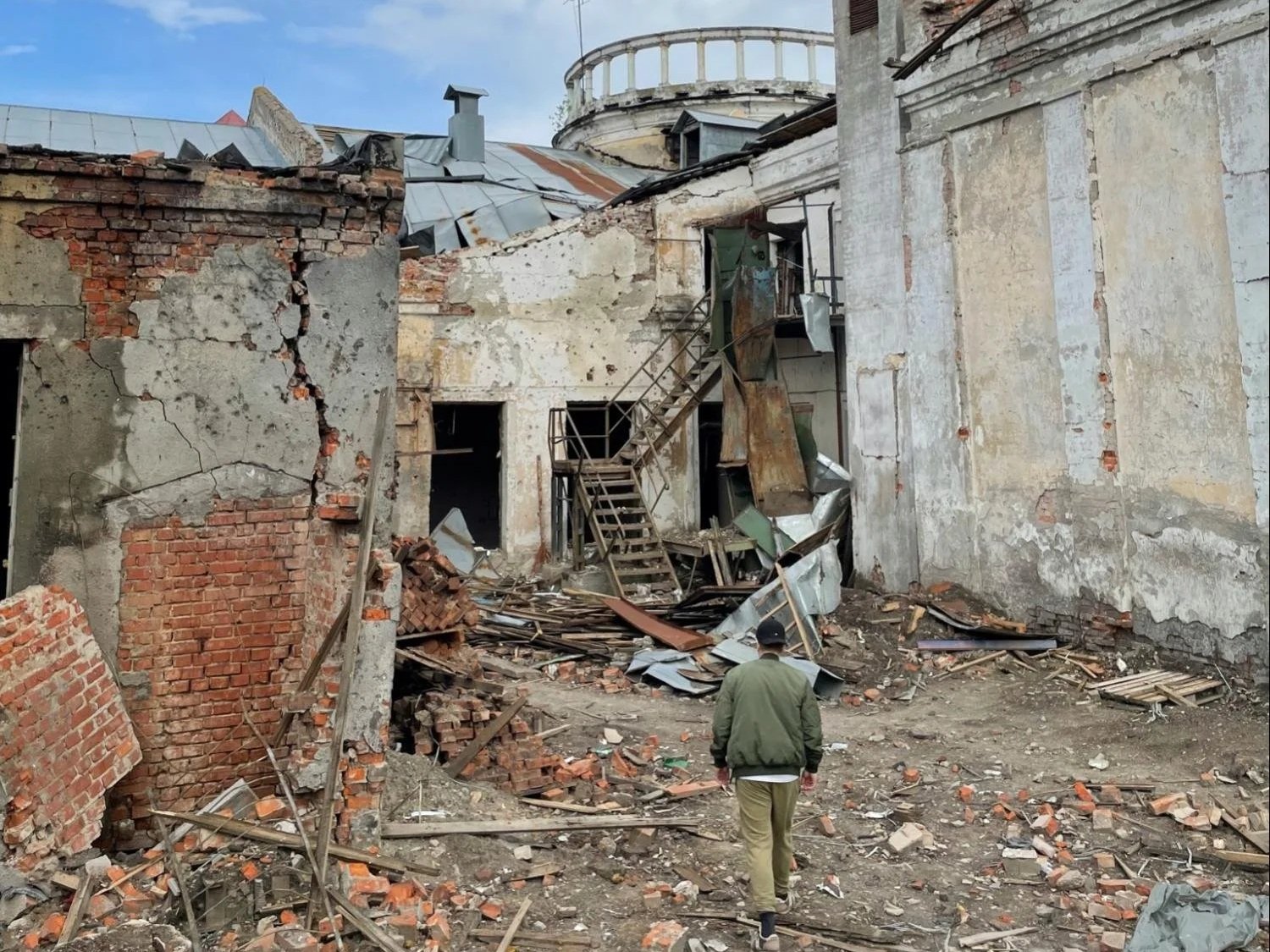
Ukraine’s economy has experienced significant disruption as a result of the war, including extensive infrastructure damage, population displacement, and pressure on public finances. The GDP fell by around 28.8–30.4 % in 2022 following the full‑scale invasion, as production, services and exports contracted sharply. Since 2022, international aid has played a central role in sustaining government operations, funding humanitarian assistance, and supporting macroeconomic stability. External support has included grants, concessional loans, and budgetary assistance provided by bilateral donors and multilateral institutions.
Ukraine saw a marked recovery in Foreign Direct Investment (FDI) inflows, from USD 557m in 2022 to USD 4.2b in 2023. By the conclusion of the year, the total FDI stock reached USD 54.2b. Notably, research from the National Bank of Ukraine indicates that approximately three-quarters of these 2023 inflows consisted of reinvested profits from existing multinational enterprises.
As Ukraine moves towards a post-war recovery phase, reconstruction financing has become a central policy focus. Large-scale investment will be required across housing, transport, energy, and industrial capacity. While international aid and loans are expected to remain key sources of funding in the near term, the current figures are insufficient to support long-term economic recovery. Recent analysis highlights that reconstruction will require a transition from emergency financing towards a structured investment model, combining public funding, donor guarantees and private capital mobilisation.
Implications
As of the end of December 2024, the estimated cost of Ukraine’s post-war recovery is USD 524b. This figure represents approximately 2.8 times Ukraine’s projected nominal GDP for 2024, underscoring the immense scale of economic damage and reconstruction needs relative to the size of the economy. While international aid is expected to remain a key source of funding in the near term, it is insufficient on its own to support long-term economic recovery, particularly amid a stagnating global economy and the waning political will of the US. As a result, foreign direct investment is increasingly viewed as necessary to restore productive capacity, generate employment, and support export growth. Despite this recovery, flows declined year-on-year in early 2024, reflecting persistent risk concerns. Most investment has historically been concentrated in manufacturing, trade, financial services, mining, and information and communication sectors.
Despite the rebound in 2023, FDI flows declined year-on-year in early 2024, reflecting persistent security, operational and political risks. Private investment activity remains cautious and selective, with most engagement concentrated in low-exposure projects or those supported by guarantees and public financing mechanisms.
Investment has historically been concentrated in manufacturing, trade, financial services, mining, and information and communication sectors. In the post-war phase, investment is expected to remain sectorally concentrated rather than economy-wide, particularly in areas where risks can be partially mitigated through public involvement or external guarantees. At the same time, there is growing foreign direct investment (FDI) interest, supported by Ukraine’s open-door policy toward international investors, alongside the establishment of industrial parks in major cities such as Kyiv and Lviv to attract and anchor new investment flows. Energy generation and grid modernisation, transport and logistics linked to European corridors, housing reconstruction, and digital services are likely to remain priority sectors, despite foreign investors’ continued concerns over regulatory risk and corruption in Ukraine, even as there is a clear intention to invest in these areas.
Privatisation policy will be a key determinant of foreign investment decisions. Since 2018, Ukraine has improved transparency in asset sales through ProZorro. Sale platform, reducing corruption risks. However, many state-owned enterprises remain difficult to privatise due to war damage, valuation challenges, and weak corporate governance. Partial privatisation and public-private partnership models are therefore likely to dominate in strategic sectors, particularly energy.
Labour availability remains a binding constraint. There is empirical evidence that the return of refugees will be essential to Ukraine’s economic recovery, particularly in addressing skills shortages and sustaining productivity growth. Without progress on labour reintegration, increased capital inflows may not translate into proportional output gains.
Forecast
Short-term (Now - 3 months)
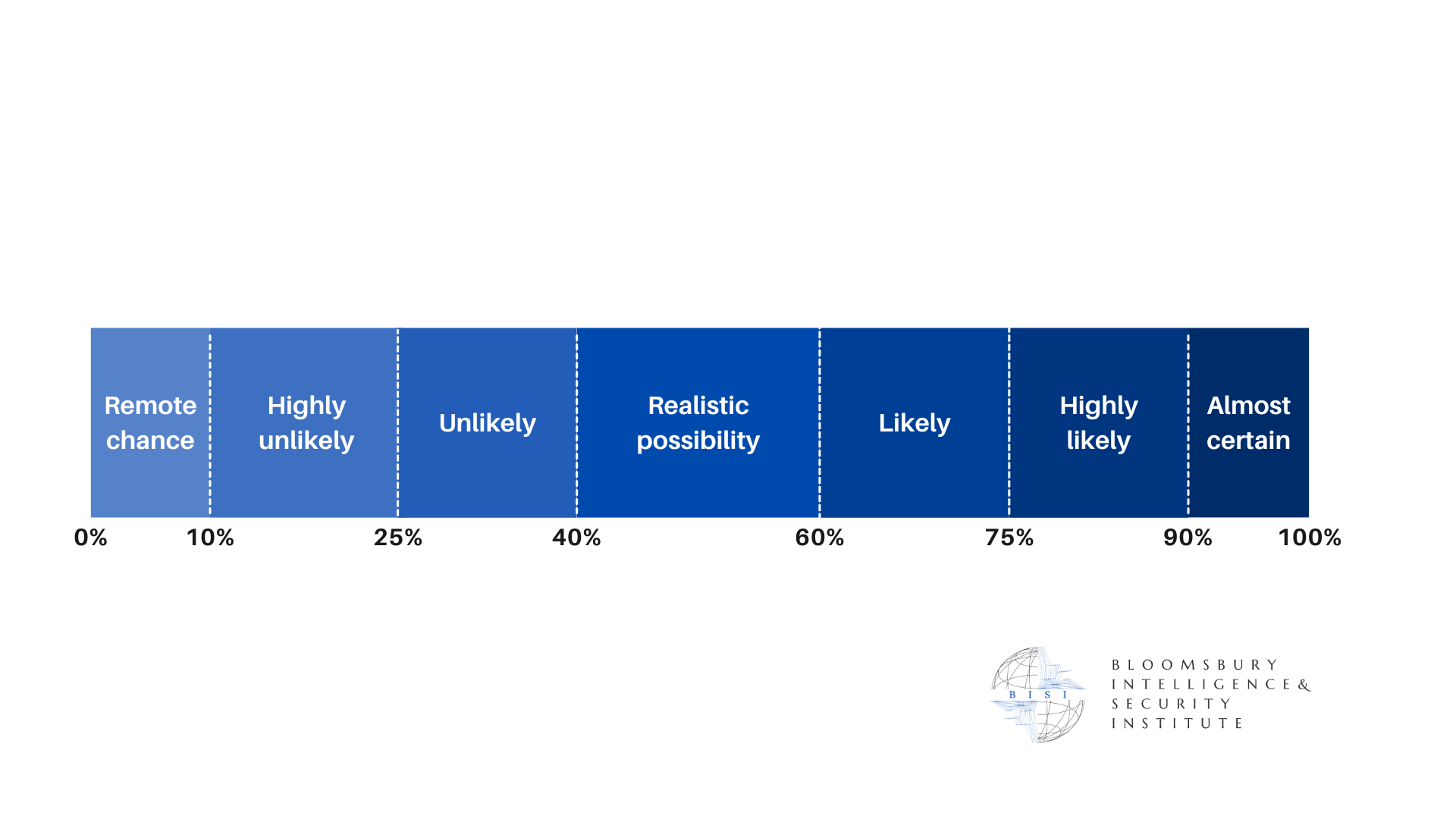
FDI inflows are highly unlikely to increase materially. Private capital engagement will remain limited to low-risk or externally supported projects. However, credible signals of negotiations toward a peace agreement are likely to generate limited investor optimism, supporting small-scale engagement in sectors such as humanitarian logistics, energy maintenance, or cross-border digital services.
Medium-term (3 - 12 months)
Selective FDI is a realistic possibility, particularly in energy, digital services and infrastructure projects where risks are mitigated through guarantees or public participation.
Long-term (>1 year)
A comprehensive peace agreement would very likely improve investor confidence. This could trigger a broader recovery in FDI, particularly if combined with reforms in privatisation, governance, and capital markets. Investment is expected to remain concentrated in strategic sectors rather than evenly distributed across the economy.