Fears of Espionage in the UK: Can London Still Ensure Security Domestically and Abroad?
By Anna Toso | 7 July 2026
Summary
Security officers uncovered a hidden camera of unknown origin in communal spaces in a Whitehall building, where strategically relevant British government departments have their offices in central London.
This recent instance and similar precedents highlight the weaknesses of the United Kingdom (UK) domestic security apparatus and its unpreparedness to tackle increasingly sophisticated hybrid threats.
The UK's role as an international security provider will likely lose credibility due to its failure to ensure domestic security and the budgetary crunch affecting British defence-related overseas development aid (ODA).
Context
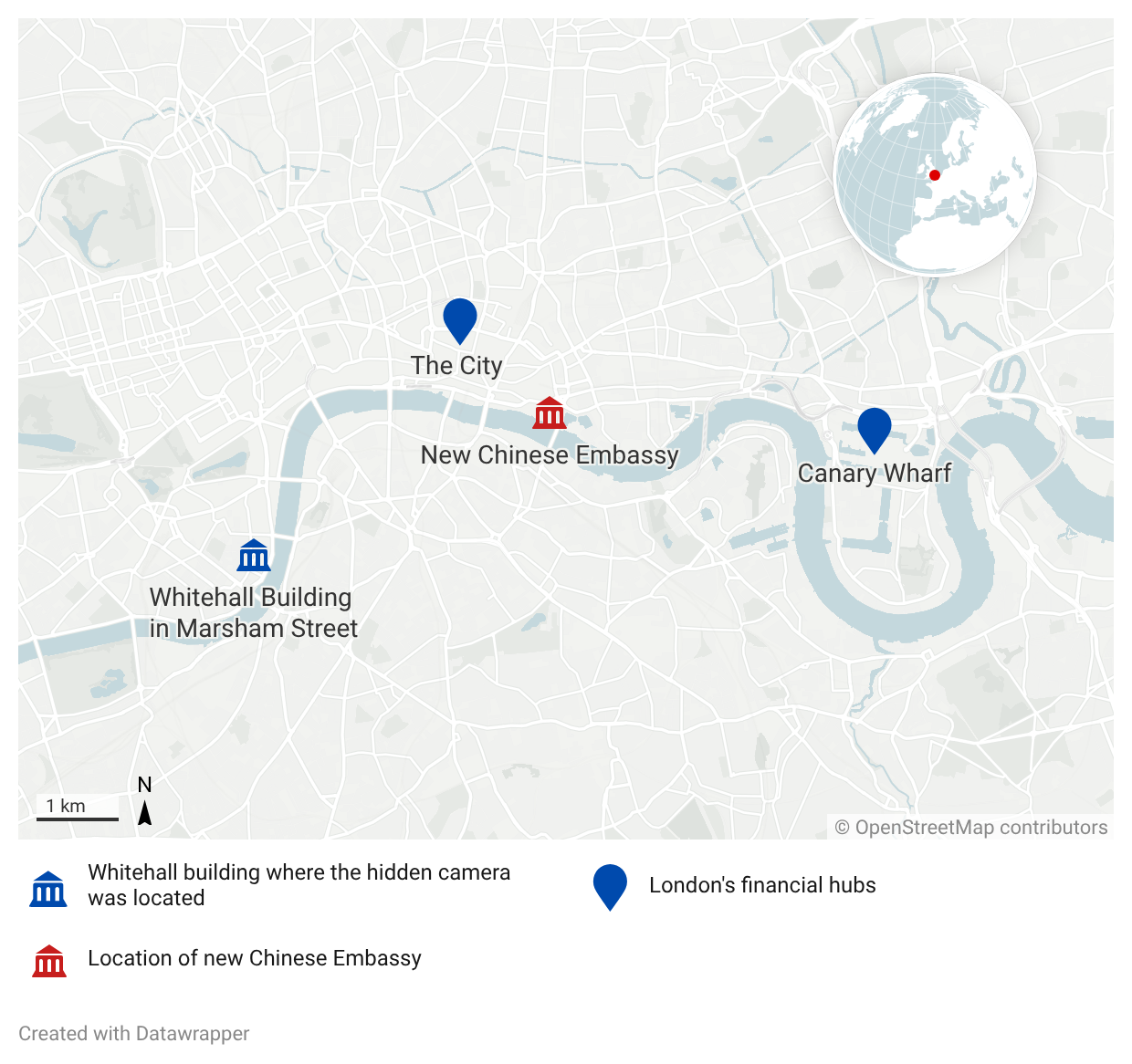
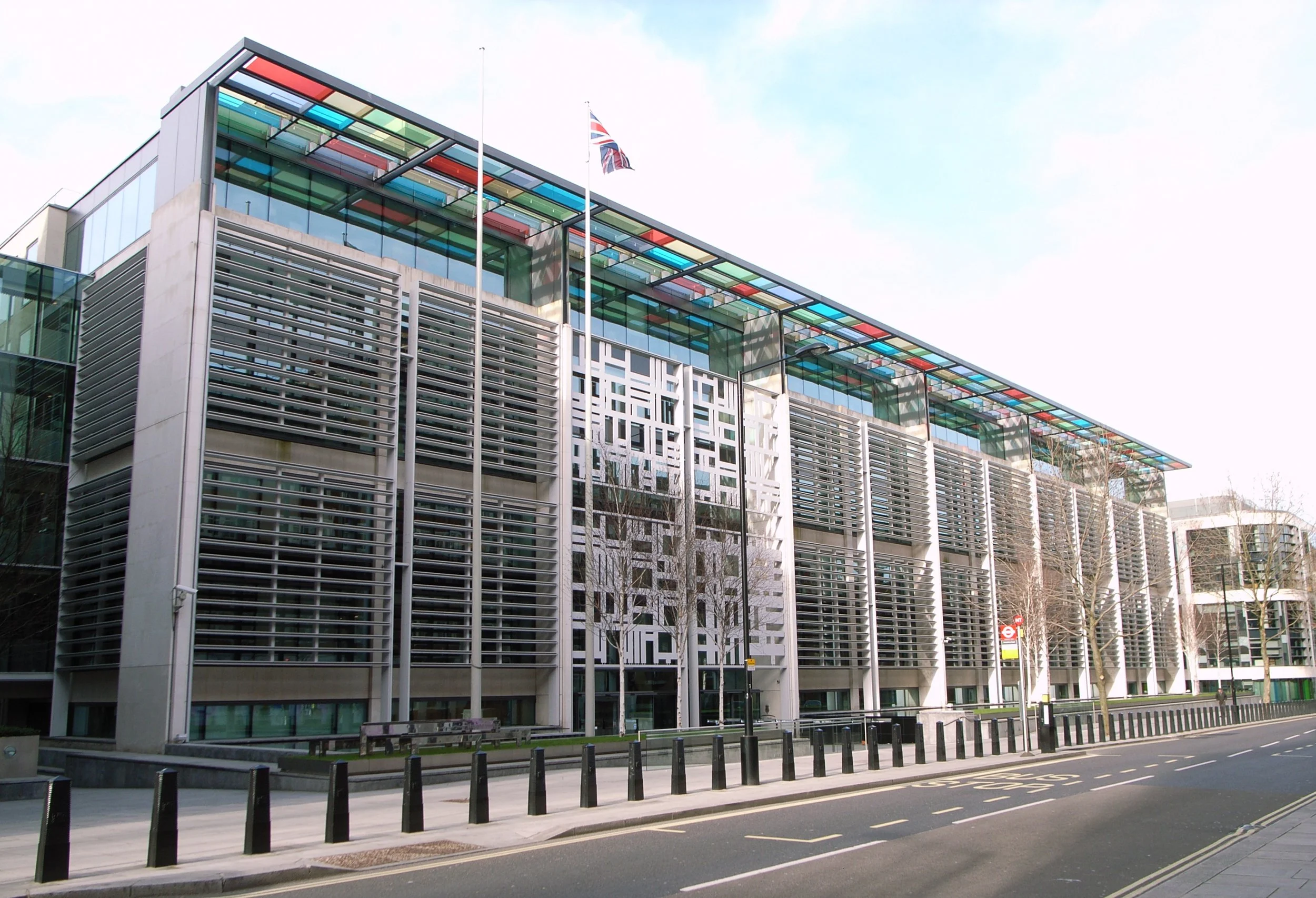
Security officers uncovered a hidden camera in the Whitehall building on Marsham Street in London’s central neighbourhood of Victoria in June. The camera was placed in a communal area near the offices of the Home Office and the Department for Communities and Local Government.
Significantly, this building has hosted government discussions leading to the controversial decision to approve the new Chinese mega-embassy in central London in January 2026 due to the proximity of the embassy to fibre-optic cables carrying sensitive information and financial data. The publishing of the previously redacted planimetry of the mega-embassy fuels allegations that its underground infrastructure could enable sophisticated and protracted espionage activities.
Implications
Shortcomings in the UK domestic security sector
In 2025, then Security Minister, now Defence Minister Dan Jarvis, elaborated the Counter Political Interference and Espionage Action Plan. It vows to deter foreign espionage and interference by raising awareness of safe practices among civil servants and political candidates, tightening regulations on electoral donations, and strengthening cooperation with professional networking platforms. Nonetheless, insufficient funding leaves the UK defence sector ill-equipped to tackle growing threats to British security, especially Russia's hybrid operations. The Treasury initially budgeted only GBP 13.5b (USD 18.08b), significantly less than the GBP 18b (GBP 24.10b) demanded by the Defence Ministry. These insufficient resources allocated to the defence budget prompted former UK Defence Minister John Healey to resign on 11 June 2026. Although more recently, on 30 June, further GBP 15b were added to the defence spending provisions, the UK remains without a practical plan to reach the target of 3% defence spending compared to its GDP by 2030.
Espionage from Russia
Namely, Russia is active in espionage activities in the UK. Recruitment of local agents often targets ordinary people through social media. It exploits users’ financial, ideological, and emotional vulnerabilities. Once recruited, such low-level agents behave unpredictably and constitute a decentralised, fragmented, and online-based network that is hard to uncover through conventional counter-espionage and counter-terrorism investigations. Russia’s secret intelligence agency, the GRU, usually operates the espionage and hybrid attacks, increasingly exploiting weak nodes in widely used internet networks. Russian sabotage operations target European infrastructure through hybrid warfare and will likely intensify in the next few years.
Overall, Russia, China, and Iran are the primary perpetrators of hostile cyber operations, surveillance, and disinformation campaigns against the UK, affecting British and UK-based foreign individuals, businesses, and democratic institutions.
Chinese surveillance
Physical and digital espionage from China has grown in the last 20 years. Chinese surveillance through cameras, credit card details, and data from travel booking apps heightens exposure to cyberattacks and hybrid espionage operations.
The recent hidden-camera incident and similar precedents underscore security pitfalls at the UK government’s strategic locations. London’s weak counter-espionage infrastructure has dangerous implications, especially for Hong Kong’s pro-democracy actors based in the UK. Sensitive databases are vulnerable to breaches, and the protection of vulnerable organisations and individuals on British soil is insufficient. Namely, dissidents from Hong Kong face bounties, arrest warrants, and severe risks of repression by Chinese authorities, even while living in the UK. Repeatedly, the British security establishment has failed to prevent intimidation towards vulnerable foreign nationals. For instance, in April 2026, an arson attack hit the premises of the Persian broadcaster Iran International in London. This event shed light on insufficient safeguards for Iranian journalists exiled in the UK to protect them from intimidation and physical threats.
Steve Cadman/Flickr
Forecast
Short-term (Now - 3 months)
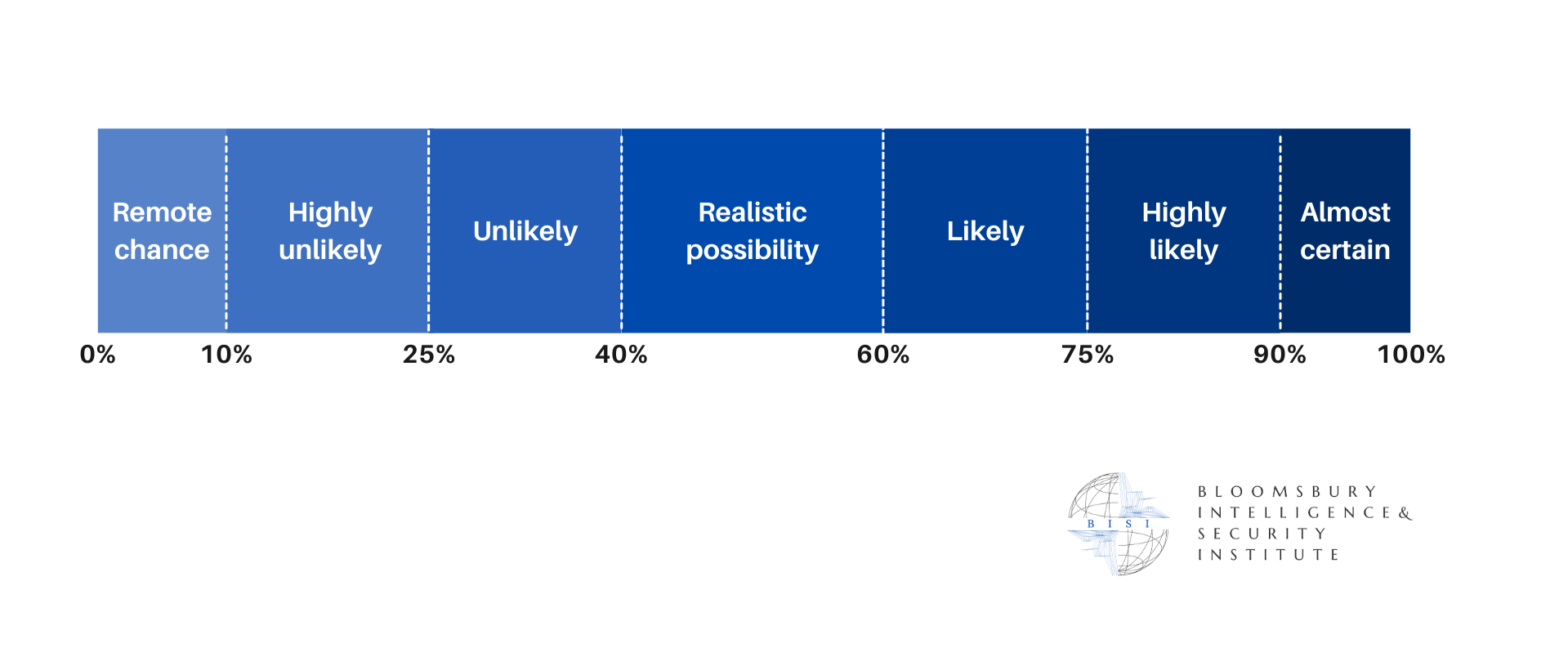
The recent Defence Minister’s resignation will likely undermine the British response to security threats, exacerbating its unpreparedness to counter sophisticated hybrid attacks and espionage attempts.
The following resignation of Prime Minister Kier Starmer will likely increase political fragmentation. Policy discontinuity by his successor is a realistic possibility, which would cause further UK’s security vulnerabilities and slow down reactive governmental responses.
Medium-term (3 - 12 months)
Long-term (>1 year)
The UK will likely lose its credibility as an international security provider due to its failure to counter hybrid attacks and espionage domestically and the reduction of the British defence-related ODA budget.
There is a realistic possibility that the intensifying cyber and hybrid attacks against the UK networks will make companies more reluctant to establish or maintain their headquarters and store sensitive information in the UK due to fears of trade espionage and sabotage.
In the coming years, unless London steps up its protection of vulnerable foreign nationals on its territory, the security risks for UK-based Hong Kong dissidents are unlikely to reduce, especially given the progressive intensification of Chinese repression of Hong Kong’s democracy.
Similar threats are likely to also affect nationals of other territories exiled in the UK, such as Taiwanese political activists, opponents of the Russian war in Ukraine, and Iranian dissidents.