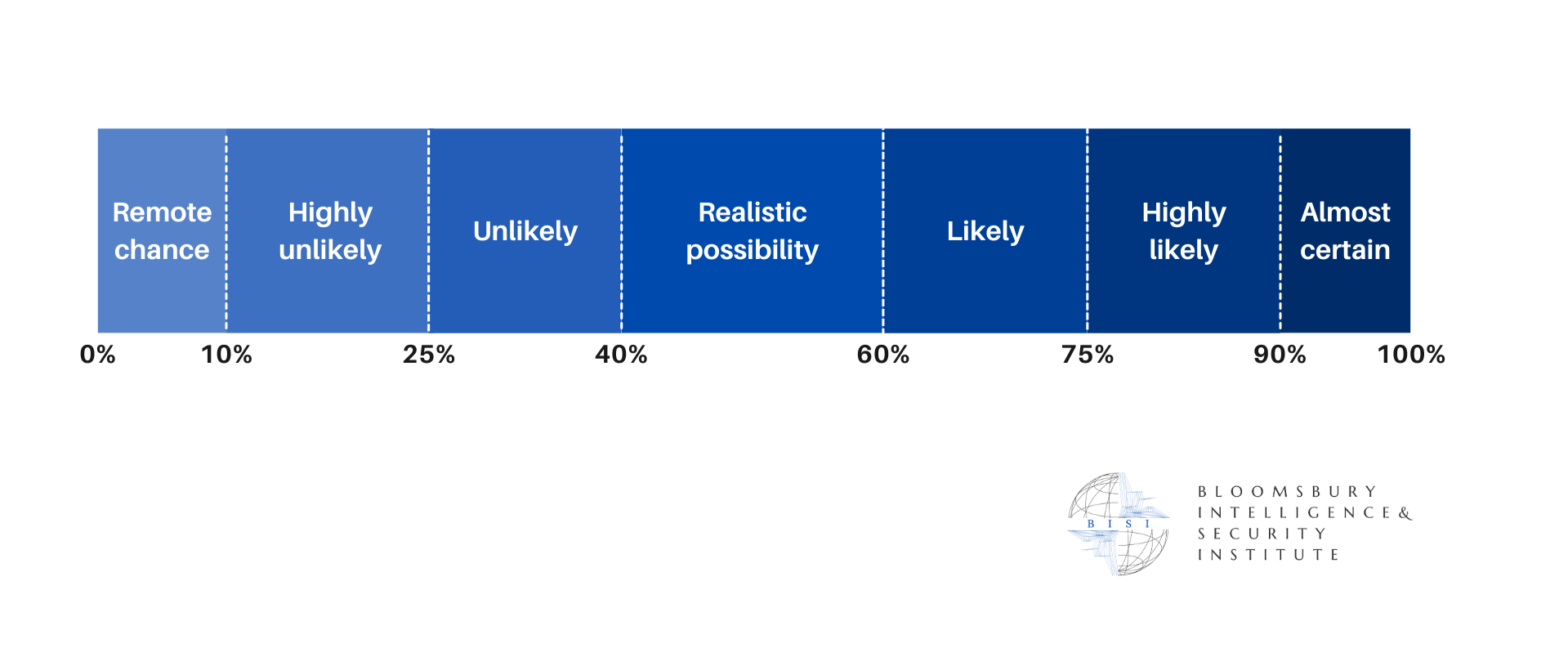
By Marina Gruzer | 23 June 2026

Summary
China’s 15th Five-Year Plan (2026–2030) prioritises AI and robotics as key drivers of economic growth. The plan builds on the 2025 “AI Plus” initiative, sets ambitious AI adoption targets, and is supported by major state investment, including a 1 trillion RMB venture capital fund for AI, robotics, and emerging technologies.
Embodied-AI robotics can be expected to boost productivity and address labour shortages caused by population ageing.
Large-scale labour displacement could worsen existing youth unemployment before new AI-related jobs emerge, making worker protection policies essential.
Context
In March this year, China released the 15th Five Year Plan (FYP), a high-level policy document outlining national priorities and sector targets for the 2026-2030 period. This sets guidelines for national strategies regarding foreign trade, investment and technology. Compared to previous FYPs, the new plan reflects a shift towards prioritising AI capability development, which is critical in facing ongoing domestic challenges such as the evolving demographic crisis. According to the World Health Organisation (WHO), China’s population of people over 60 years old is estimated to reach 28% by 2040. The ‘AI Plus’ action plan, released in August 2025, established ambitious targets for AI integration and set the theme and wider aspirations for the 15th FYP. Under this plan, AI devices, agents and applications should reach a 70% penetration rate in key sectors by 2027 and 90% by 2030. Similarly, China’s National Development and Reform Commission has announced to set up a state-backed venture capital fund to support development in industries such as robotics, AI and innovative technologies. Over 20 years, the fund aims to attract approximately 1 trillion RMB (US $138 bn). Overall, this policy environment is likely to have positive long-term impacts on delivering enhanced growth in both traditional and emerging sectors affected by demographic declines. However, labour displacement caused by increased AI integration and environmental pressures is highly likely to create persistent challenges.
Implications
With increasing investment aiming to facilitate ‘revolutionary breakthroughs in technology’, AI has the potential to become a major driving force for increasing China’s total factor productivity, in line with the 15th FYP 4.5-5% annual growth rate target. Importantly, embodied AI, meaning ‘AI-powered hardware systems that can perceive and interpret multimodal inputs from the physical environment’, emerges as a new priority for policymakers, especially in robotics. A larger scale deployment of robotics equipment across labour intensive sectors affected by the ageing population crisis, such as textile manufacturing and agriculture, has a realistic possibility to help alleviate the economic strain arising from labour shortages. This is central to the government’s New Quality Productive Forces (NQPFs) policy initiative, which aims to support traditional sectors via technological modernisation while further enhancing the development of strategic novel sectors such as AI. With China establishing AI as an area of strategic interest, strengthening domestic AI capabilities is central to reinforcing Beijing’s global standing in the industry. This is essential for initiatives such as the Digital Silk Road, under which China aims to reduce reliance on Western technology networks and position itself as a leader in AI, telecommunications and digital infrastructure among the Global South.
In the last few years, China has developed a robust domestic robotics supply chain and has begun to scale up physical production. Domestically, Chinese robotics manufacturer sales are now ahead of foreign manufacturers in terms of market share, with the share growing from 47% in 2023 to 57% in 2024 across sectors such as electronics and machinery. Globally, China reached a world record of over 2 million industrial robots installed in factories in 2024, representing 54% of the global demand. Therefore, China’s robotics industry has a strong potential for further scaling and AI integration, especially with the support of local governments through initiatives such as specialised training data labs. In addition to supporting economic growth and the rate of production amid labour shortages, industrial policy promoting robotics, in line with the recent FYP, has the potential to bolster wider areas of robotics crucial in aiding an ageing population, such as medical and elder care.
However, the degree of real institutional readiness within the country is an important factor in determining how successful a fast paced adoption of AI industry integration will be. Furthermore, maintaining a gradual and sustainable transition to deeper AI industry integration, avoiding large-scale labour displacement, is critical in ensuring stability. It is estimated that 9.6% of all Chinese jobs, approximately 70 million, are at high risk of AI-driven displacement, outpacing the rate of AI-driven job creation. With youth unemployment rates still high at 15.6% as of May 2026, increasing AI integration risks exacerbating the economic pressure caused by an ageing labour force until AI-driven job creation surpasses displacement. Consequently, a policy framework designed to protect workers vulnerable to AI disruption and direct resources towards innovative solutions with ‘greater job creation potential’ is essential for a sustainable, long-term AI integration and growth.
In 2025, a Chinese court ruled that AI integration is not a valid reason on its own for letting workers go. Later, this decision was published as a model case by the Beijing Municipal Human Resources and Social Security Bureau, establishing a guiding example of how similar cases should be addressed. Therefore, decisions like this indicate a realistic possibility for China to implement a framework under which AI industry integration is balanced with labour protections.
Forecast
Short-term (Now - 3 months)
Ongoing high youth unemployment rates are likely to create additional challenges and economic strain amid a shrinking labour force. Therefore, economic growth facilitated by AI integration risks yielding limited results, due to the counterproductive impact of labour displacement, if unsustainable policy frameworks are implemented.
Medium-term (3 - 12 months)
With China emerging as a major competitor to the US in the AI industry, it is highly likely that Beijing will seek to influence the global norms and industry standards across the AI field. This is reflected in China’s global initiatives, such as the Digital Silk Road partnerships and the proposed multilateral World AI Cooperation Organisation.
Long-term (>1 year)
Large scale AI integration is highly likely to cause an increased demand for water and electricity as data centre capacity and infrastructure expand. Consequently, this risks worsening China’s environmental degradation and instability.