EU Emissions Trading System Reform
By Ipek Kara | 21 April 2026
Summary
The EU’s adjustment to the Emissions Trading System signals a shift from accelerating decarbonisation to managing its economic and political costs.
By loosening carbon price pressure, the EU is prioritising industrial stability and competitiveness, at the cost of weakening the core mechanism driving emissions reductions.
The decision reflects external pressures from US subsidies and global energy volatility by marking a transition toward a more constrained and geopolitically shaped green transition.
Context
The European Union (EU) Emissions Trading System (ETS) has been a cornerstone of EU climate policy since 2005. The system works by reducing the supply of emissions in the market over time, increasing the carbon prices, and encouraging the industry to gradually decarbonise.
On 1 April 2026, the EU Commission proposed an amendment to the Market Stability Reserve Decision to loosen supply constraints and moderate the upward pressure on carbon prices. The amendment is framed as a technical readjustment to preserve market stability. Despite that, altering the allowance supply is a direct intervention into price formation and should be interpreted as a political decision.
Implications
The ETS has continued to work to this day because the system reduces the supply of emission allowances over time, creating scarcity that drives up prices and encourages firms to invest in cleaner technologies. While this amendment alone does not reverse climate goals, moderation of the price through the amendment will slow down the pace of decarbonisation, and this highlights a shift in EU priorities toward slowing decarbonisation and placing greater emphasis on economic stability.
The Commission’s decision may also be an attempt to realise political legitimacy since rapid increases in carbon prices risk undermining the public support for the green transition as well. Stabilisation of ETS is therefore highly likely to reduce cost volatility and provide firms with better predictable operating conditions, especially in energy-intensive sectors, to prevent the relocation of capital.
Recalibration of ETS also needs to be understood in an increasingly competitive and unstable global market. The Inflation Reduction Act has shifted the US towards a subsidy-driven model that lowers industrial costs and fosters green investment, consequently leaving European companies at a structural disadvantage in the global market. This dynamic constrains the EU’s ability to maintain high carbon taxes without risking industrial drainage, irrespective of the recently introduced Carbon Border Readjustment Mechanisms (CBAM).
Persistent volatility in global energy markets through geopolitical tensions in key energy-producing regions, including those involving the Gulf States and Iran, continues to increase uncertainty in oil and gas prices. Maintaining a tightly constrained carbon market under these conditions risks compounding the already elevated energy and production pressures. Therefore, the adjustments on ETS should be understood as a response to the global energy security concerns that are actively shaping the limits and pace of the European green transition.

Forecast
Short-term (Now - 3 months)
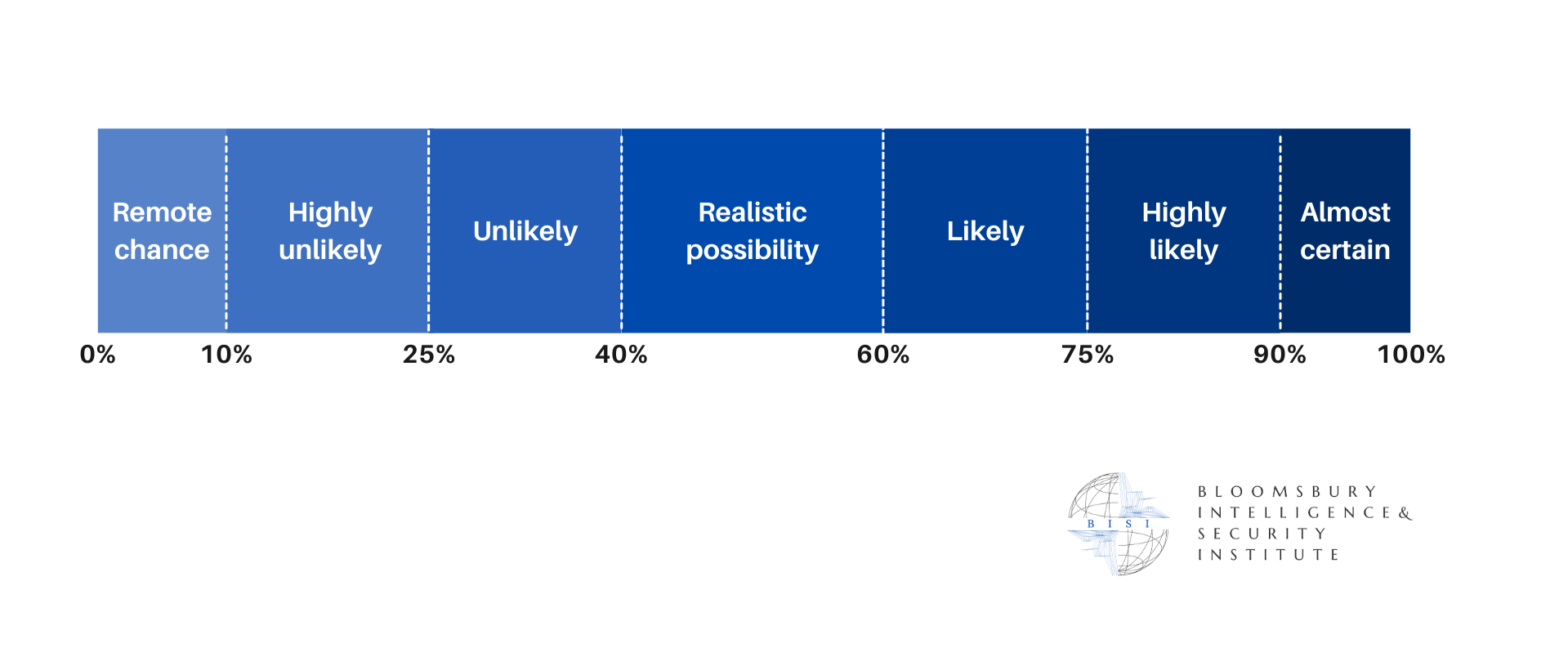
It is highly likely that the EU Commission is going to formalise the suspension of the MSR invalidation mechanism and effectively create a "strategic carbon buffer" to prevent price spikes.
It is highly likely that the European Securities and Markets Authority will increase oversight on speculative positioning within the ETS to maintain artificial price stability during the transition phase.
Medium-term (3 - 12 months)
A "Green Protection Bloc" is likely to emerge as the EU synchronises ETS price moderation with CBAM while effectively forcing trading partners to adopt EU-aligned carbon accounting.
Long-term (>1 year)
The EU's decarbonisation framework is highly likely to transition from a market-driven mechanism to a "Cap-and-Invest" model led by states. This shift carries a structural risk where carbon price discovery becomes secondary to political mandates and industrial subsidies.
The EU’s long-term targets, including climate neutrality by 2050, remain in place for the moment. But the decision introduces a structural tension into maintaining the rigorous targets while weakening the primary mechanism designed to achieve them.