Ethiopian Prime Minister’s Party Dominates Parliamentary Elections
By Sarah Ambrose | 8 July 2026
Summary
The Prosperity Party won a landslide majority in the Ethiopian parliamentary elections held in June.
Polls were disrupted in several regions due to insurgent violence, and elections were not held in the Tigray region, indicating rising domestic tensions.
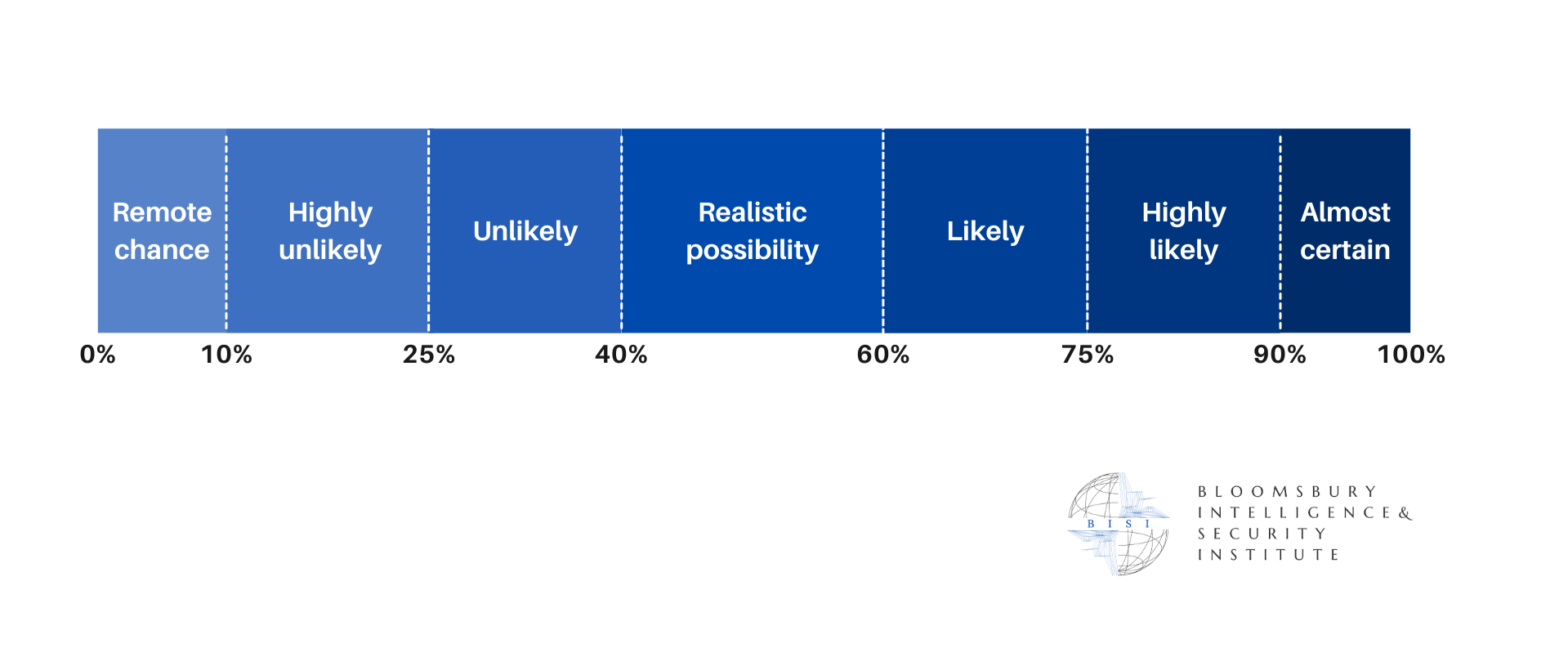
It is almost certain that Prime Minister Abiy Ahmed Ali will be appointed for another term later this year. Additionally, it is likely that the Amhara and Oromia regions of Ethiopia will see increased unrest in the next few months.
Context
On 21 June 2026, the Ethiopian elections commission announced a landslide victory for Prime Minister Abiy Ahmed Ali’s Prosperity Party, winning almost 90% of the seats in the parliamentary elections held on 1 June. The Prosperity Party won 438 of the 486 seats in the House of Peoples’ Representatives, solidifying the parliamentary majority the party has held since its creation in 2019. Over 40 other parties ran in the elections; however, most lacked organisational and financial resources, with the Prosperity Party unopposed in 64 of the 547 Ethiopian constituencies. Abiy has ruled Ethiopia since 2018 following mass protests against the ruling government, and created the Prosperity Party to replace the long-ruling multi-party coalition. The newly elected representatives will select the Prime Minister later this year, with Abiy expected to be given another five year term.
Implications
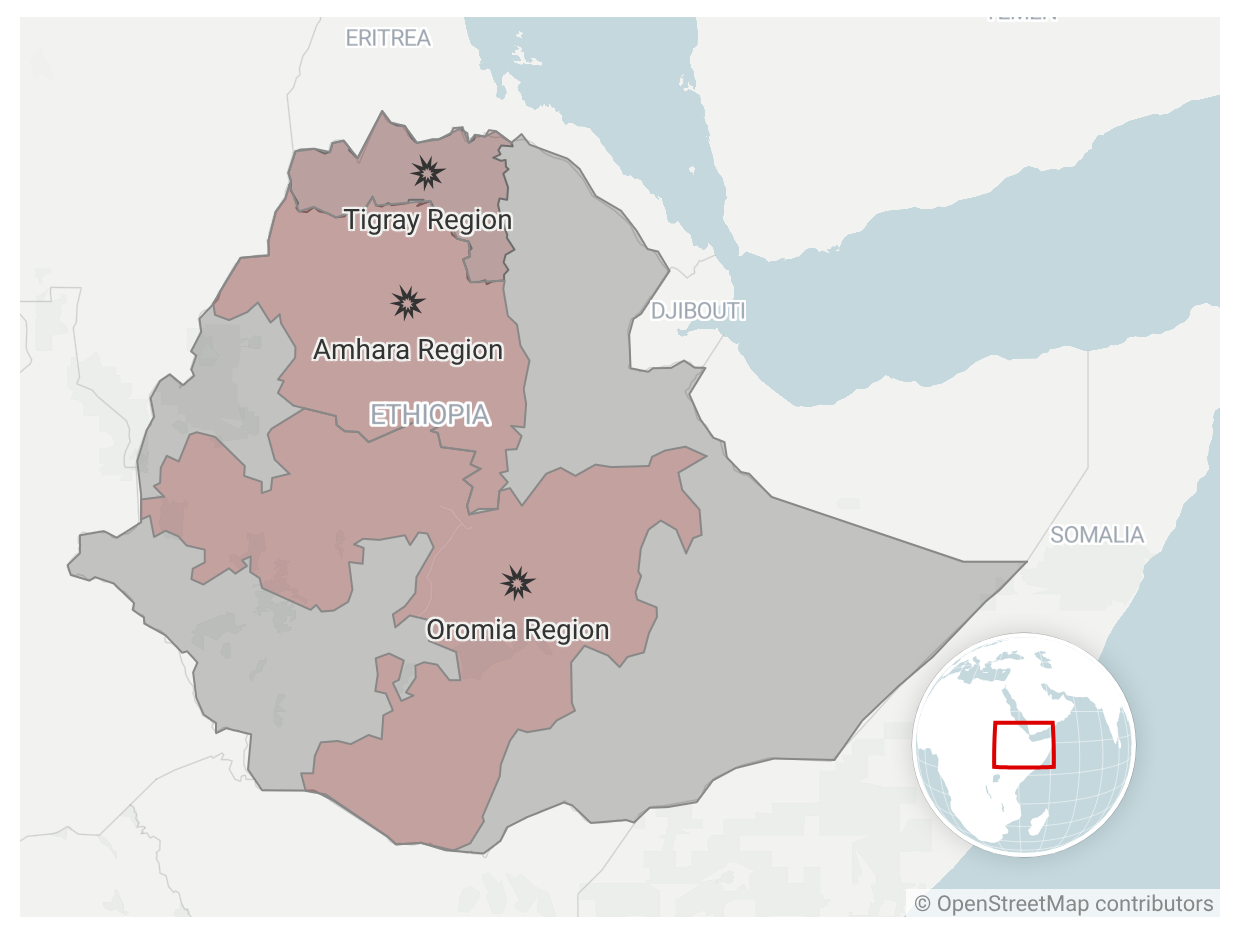
Numerous polls were disrupted by rebel violence in the Amhara region and Abiy’s native Oromia region. According to the elections commission, 143 of the 50,000 nationwide polling locations were unable to open on election day due to ‘security concerns’. In the Amhara region, government forces have clashed with the network of Amhara nationalist fighters known as Fano for 3 years; on election day, Fano reportedly had at least 90 clashes with security forces. In Oromia, the government has faced insurgency from the Oromo Liberation Army (OLA) since 2018 and has designated the group as a terrorist organisation. In response to the elections, the OLA launched numerous attacks against civilians between 31 May and 3 June, with eyewitnesses reporting dozens killed. The violence in both regions highlights the growing security concerns in Ethiopia from multiple threats. The closure of polling stations due to these concerns demonstrates the rebel forces’ ability to disrupt government proceedings and undermine Abiy’s authority over the country as a whole.
In addition to the poll closures in Amhara and Oromia, elections were not held in Tigray. Between 2020 and 2022, Ethiopia faced a civil war with the Tigrayan People’s Liberation Front (TPLF), which resulted in hundreds of thousands of deaths and alleged war crimes and human rights abuses. The hostilities formally ceased in November 2022 with the Pretoria Agreement, although tensions between the TPLF and Ethiopian government have risen again significantly over the past year. The TPLF accuses the government of reneging on territorial terms of the Pretoria Agreement, and the electoral commission recently revoked the TPLF’s status as a political party. Ahead of the election, the TPLF disbanded the interim administration overseeing Tigray that had been appointed by Abiy. By not holding the elections in Tigray, the Ethiopian government effectively blocked the region from participating in governance and electing representatives to advocate for it. Some experts believe these elections represent Abiy’s consolidation of power to further address the conflict in Tigray. In recent weeks, both sides have accused the other of planning a new military offensive and have deployed forces to the regional border. This primes the region for further unrest, clashes between government forces and the TPLF, and heightened security risks across Ethiopia.
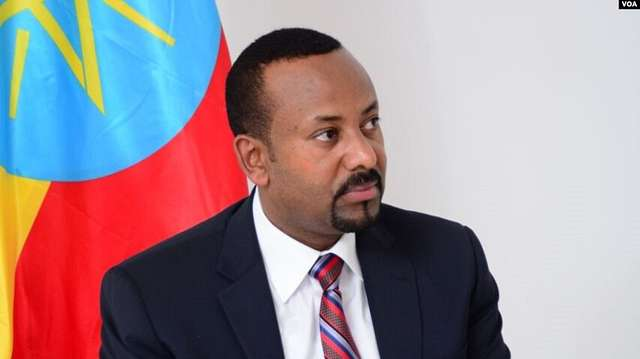
VOA/Wikimedia
Forecast
Short-term (Now - 3 months)
There is a real possibility that government forces will intensify security operations in Amhara and Oromia in response to election-related attacks.
Medium-term (3 - 12 months)
It is almost certain that the House of People’s Representatives will select Abiy to serve another term as Prime Minister later this year.
It is likely that rebel groups in Amhara and Oromia will increase attacks against government-affiliated targets.
Long-term (>1 year)
It is likely that there will be renewed direct conflict between the Ethiopian government and the TPLF in the next few years.
There is a real possibility that conflict in Tigray will lead to a broader militarised altercation between Ethiopia and Eritrea.