By Jonathan Tenhove | 17 March 2026
Summary
On 28 May 2025, century-old border tensions between Thailand and Cambodia erupted after the death of a Cambodian soldier in a minor skirmish.
These were concluded on 26 October 2025 by the Kuala Lumpur Peace Accords, however recent territory seizures of disputed areas in December 2025 suggest a permanent end to the border clashes is unlikely.
Asymmetry in military capacity and regional geographical advantages have encouraged Cambodia to invest heavily into drone warfare.
Context
Thailand and Cambodia have a long-standing border dispute rooted in the 1907 Franco-Siamese Treaty, which produced the Annex I map defining what later became Cambodia’s territorial boundaries. This created lasting tensions due to cultural discrepancies, notably placing the Preah Vihear Temple within Cambodian territory. Over time, these hostilities have resulted in a number of sporadic conflicts, the most significant occurring from 28 May to 26 October 2025 and ending with the Kuala Lumpur Peace Accords. However, more recent border skirmishes and territory seizures in December 2025 imply a breakdown in the established relations, suggesting possible future conflict.
It should be noted that Thailand has a substantial military capacity of - THB 185,947b (USD 5.89b) 2025 defence budget and 360,850 active duty personnel - relative to Cambodia - KHR 3.45t (USD 860m) 2025 defence budget and 221,000 active duty personnel.. This asymmetry has incentivised Cambodia to embrace drones as a cheap, effective method of initiating force against the Thai military during border engagements.
Implications
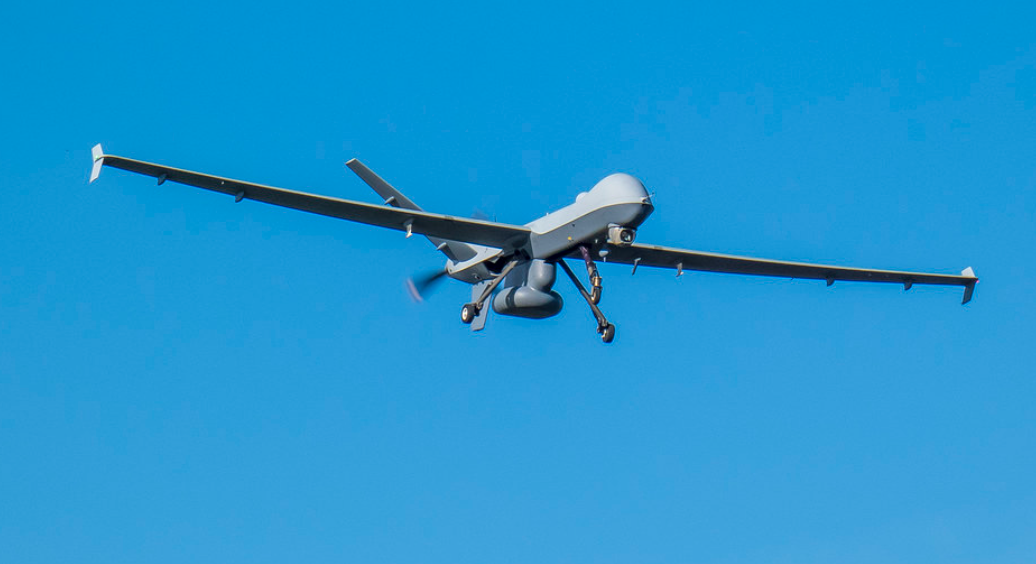
Drones offer high tactical impact at a low cost and can be mass-produced in field factories without an established military supply chain, making them advantageous for smaller militaries confronting larger neighbours. In this case, Cambodia’s use of fibre-optic drones rendered traditional counter-drone measures employed by Thailand, such as signal jammers, ineffective. Additionally, drone warfare allows Cambodia to exploit the mountainous terrain of the border territories of Oddar Meanchey and Preah Vihear for surveillance and unhindered deployment into Thailand’s flatter territory, evidenced in their use of hill points 677 and 745. High-ground launch sites mitigate the range limitations of fibre-optic drones, and the surrounding jungle terrain obscures the cables supporting surprise incursions.
The precision of drone operations and the extensive use of the English language throughout signal correspondence have led to speculation among Second Thai Army security officials that Cambodia has outsourced consultancy to non-local specialists. This is further evidenced by drone debris that closely resembles first-person-view kamikaze drones widely deployed in the Russia–Ukraine war. While definitive evidence of foreign involvement remains limited, the operational expertise displayed suggests an increasing professionalisation of Cambodia’s drone capabilities. If countermeasures continue to prove ineffective, Thailand could be forced to conduct deeper cross-border operations to disable field factories or eliminate operators in mountainous regions, increasing the risk of conflict escalation. This could result in both regional destabilisation and a breakdown in relations between key members of the Association of Southeast Asian Nations (ASEAN).
Thailand has recently demonstrated military pushes to seize high-ground positions, denying advantageous access to Cambodian drone operators, as evidenced by claiming Hill 350 fortification on 29 December 2025. It is unclear whether this operation was solely reactive to Cambodian asymmetrical incursions, but it demonstrates a shift towards positional denial in seizing high-ground positions, a likely recurrent event if fibre-optic drone warfare remains part of the Cambodian military framework.
Cambodia’s proficiency in drone warfare, combined with its geography, therefore creates significant issues for the larger Thai military. Consequently, Thailand may expand cross-border operations to seize mountainous regions and destroy field factories that currently provide such an advantage to the Cambodian military, prompting regional instability.
Forecast
Short-term (Now - 3 months)
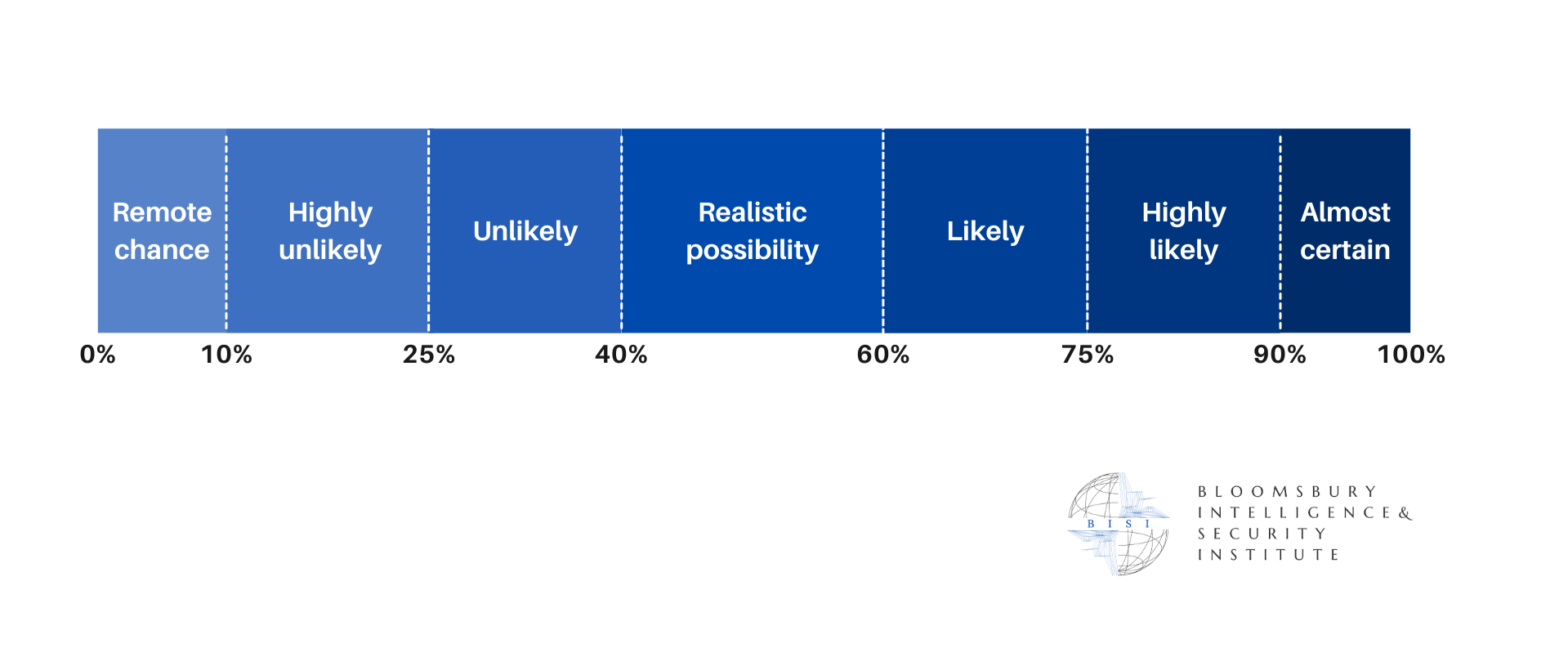
It is highly unlikely that conflict on the scale of what was seen between 26 May and 28 October 2025 will occur, however minor localised incidents can be expected.
It is likely that individual drone strikes and further military posturing will continue.
Medium-term (3 - 12 months)
It is unlikely that tensions will de-escalate, given the perceived failure of the Kuala Lumpur Peace Accords and the long-standing nature of the conflict. The perceived threat posed by Cambodian drone operations to the Thai military suggests more small-scale military action and potential escalation through seizure of border territory - behaviour Thailand has evidenced by claiming Hill 350.
Long-term (>1 year)
Given the pattern of recent behaviour, it is likely that border tensions will escalate into additional skirmishes on the scale seen on 8 May 2025 and 26 October 2025, incentivising Thailand to seize more disputed territory to deny Cambodian fibre-optic drone use. This will likely result in persistent instability along the border territories.