By Lily Donahue | 13 September 2026
Summary
Russia’s plans to expand the Northern Sea Route with the Trans-Arctic Transport Corridor are set to begin in 2027, part of a $400bn plan to industrialise the Arctic through 2035.
Russia’s Arctic route would benefit from Chinese state involvement, but Beijing appears hands-off - engaging only through private enterprises, wary of potential sanctions exposure, and aware of a poor history with Russian joint projects.
While Russia will continue to frame NATO as provocative and push ahead with its expansion, its unsustainable economy will likely cause timeline setbacks for the project and necessitate domestic cuts.
Context
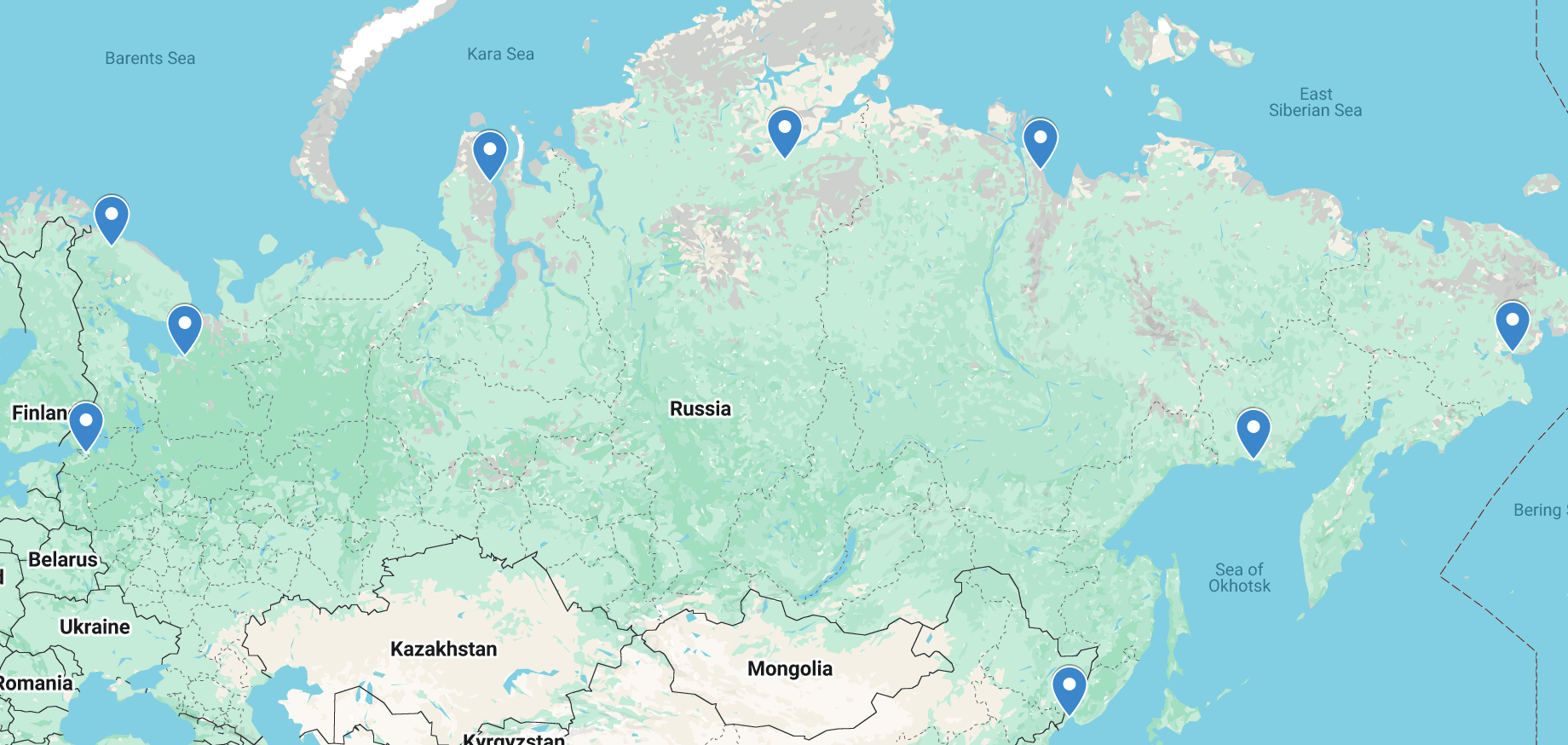
Russia has long treated the Northern Sea Route as its primary transport corridor, with former Soviet Union President Mikhail Gorbachev initially deeming it part of the “zone of peace” for the Arctic. The Kremlin has plans to change this, however, seeking to expand the Route to inland waterways and towards the Russian East, thereby integrating the key ports from St. Petersburg to Vladivostok. The Trans-Arctic Transport Corridor (TTC), part of a RUB 32.4t (USD 400b) push to develop Russia’s Arctic Zone through 2035, is set to begin construction in 2027.
The TTC is a key component of a wider attempt to industrialise and populate the Russian Arctic: the entire 271-project portfolio includes new “industrial facilities, energy generation, ports, railways and housing,” as well as calling for the development of settlements throughout the region.
The aim to expand the Route predates the war in Ukraine, with Putin announcing the development in a 2020 decree. Despite high-level aspirations, Moscow has struggled to meet proposed targets, falling short of an ambitious transport target of 80m tons of cargo. Western sanctions hit Russia’s Arctic aspirations particularly hard, with ExxonMobil and BP withdrawing from the projects in the region.
Implications
The expansion is likely a response to NATO’s Arctic Sentry, a military campaign aimed at “strengthening NATO’s posture in the Arctic and High North.” Launched in February 2026, Arctic Sentry has been branded a “direct threat” by Russia, presenting justifications similar to those used for invading Ukraine. In practice, the biggest obstacles to Russia’s Arctic expansion are icebreaker scheduling, the difficulties of winter navigation, and the Western sanctions regime. Russia, highly dependent on foreign technology for shipbuilding and maintenance, will likely face difficulties with construction and icebreaker fleets may experience supply chain disruption.
Still, US President Donald Trump’s increasing Euro-scepticism and belief that NATO is kept afloat by American funds in a “not reciprocal” relationship will likely mean Putin feels emboldened to militarise the region.
The expansion of the Arctic route will likely see states not allied with Russia begin to use the improved corridor. South Korea, in its first trip through the Northern Sea Route, conducted a commercial test on 22 August 2026. Despite the successful voyage, it remains unclear as to how Seoul will navigate the sanctions challenges inherent in relying on restricted Russian companies like Rosatomflot. Meanwhile, China, a consistent user of the Route, has shaved two weeks of transit time from its usage, benefiting from faster shipping times and the corresponding reduction in fuel costs, as well as allowing companies to be more immediately responsive to changes in European markets. Should China seek to ferry time-sensitive goods - lithium batteries, e-commerce goods - the faster route will prove useful, and Russia will be pleased to accrue substantial passage fees (beginning at 300,000 to 700,000 USD).
Still, financing the infrastructure will be difficult for Russia, whose rentier economy is currently deprived of any real oxygen. While China remains Russia’s most likely partner in any Arctic ambitions, Beijing appears tentative, as the route has been used only by private companies - such as Sea Legend Shipping - rather than Chinese state-owned enterprises. The TTC allows China to circumvent US-controlled routes linking it to the Middle East and Europe; still, possible penalties for engaging with Russia loom, even as the Trump administration softens on Arctic-related sanctions. Further, China and Russia have a poor history of completing shared infrastructural projects, and China will not want to alienate the Arctic’s other regional powers.
Forecast
Medium-term (3 - 12 months)
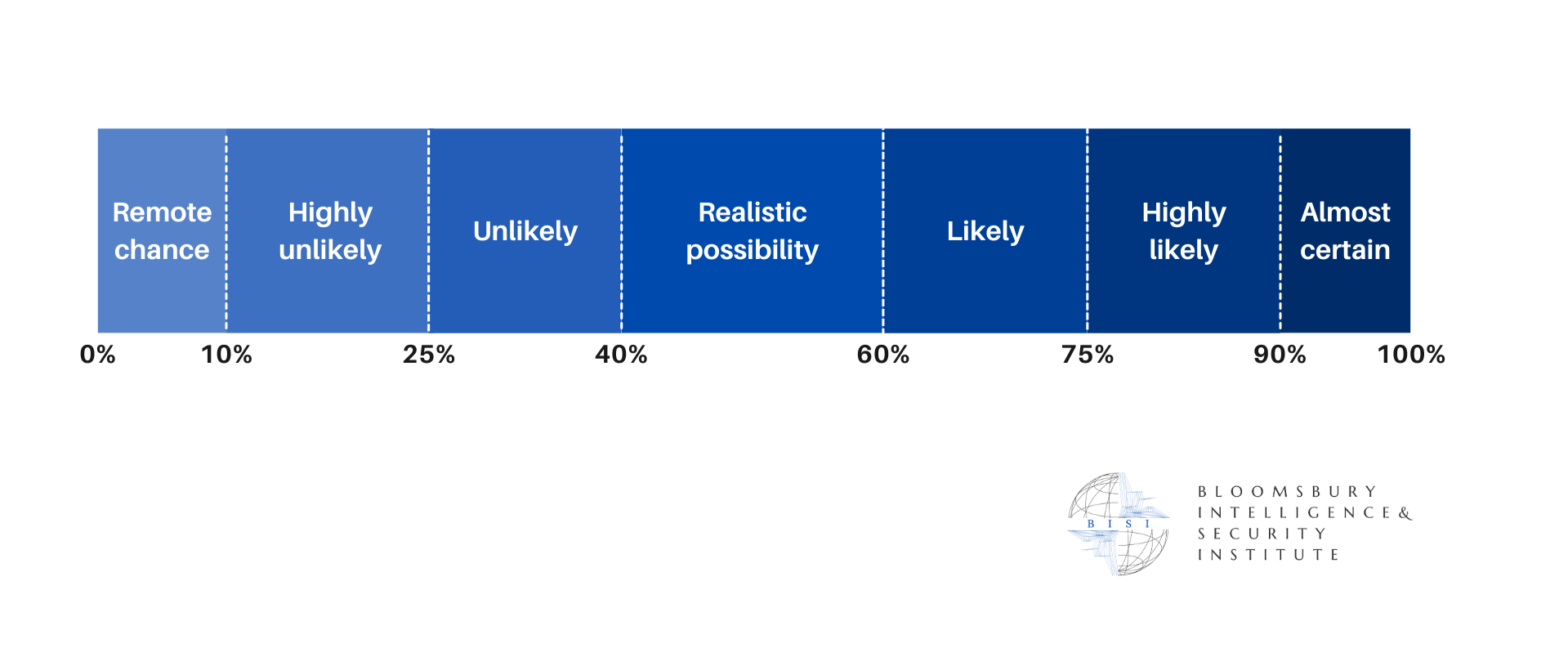
Chinese involvement with the Corridor will likely continue via private enterprise; state-backed investment is unlikely in the near term.
Due to Russia’s unsustainable economy, Moscow is unlikely to have the necessary capital to meet its own timelines without domestic cuts.
Long-term (>1 year)
Should the Corridor prove feasible, large swathes of Russia’s Eastern territories - less populated than its western ridge - will likely experience immigration.
There is a realistic probability that the planned 2027 start date is pushed back due to financing gaps.
It is highly unlikely that Moscow reaches its initial 80m-ton cargo target on the Northern Sea Route, given continued sanctions and Russia’s historical shortfall.