
Bangladesh’s February 2026 Election: Regional Policy Outlook
By Sen Chanu Chongtham | 27 January 2026
Summary
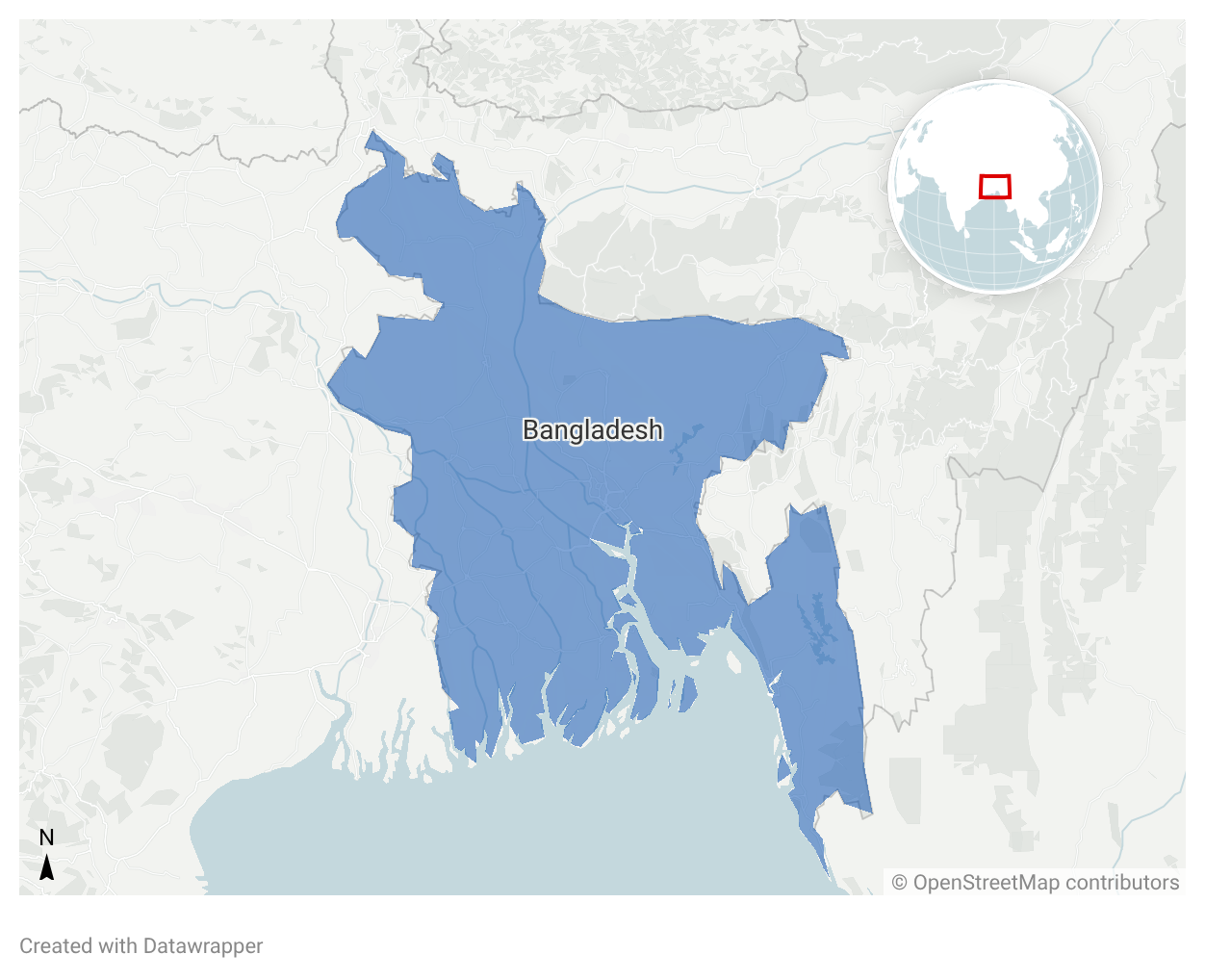
The risk of protests and clashes is increasing as Bangladesh prepares for its upcoming parliamentary election. Factional disputes within the parties over candidate selection and seat-sharing will trigger roadblocks and localised clashes.
The newly elected government will push for an improved relationship with Muslim-majority countries like Pakistan and Türkiye. As opposed to the previous Sheikh Hasina’s terms, India-Bangladesh security cooperation to tackle anti-India extremists will be heavily affected.
The first parliamentary debate will highly likely set the tone for Bangladesh National Party (BNP)’s foreign policy outlook towards India as the Islamist alliance will highly likely push for stronger religious values.
Current Scenario: Factions within Parties and Alliances
As Bangladesh is heading into its Parliamentary election on 12 February 2026, the Bangladesh National Party (BNP)—without the rivalry of the banned Awami League—is highly likely to form a majority government. Tarique Rahman was declared BNP’s party leader on 9 January 2026 after the demise of his mother and the then party leader, Khaleda Zia. According to several pre-election surveys, most voters strongly favour the BNP party while demanding a free and fair election. Improving employment opportunities, curbing corruption, and controlling inflation are some of the main concerns for the voters. If elected, the BNP claims to generate employment for 10 million people within the next 18 months and an independent judiciary. However, internal fissures within the party risk its public image and raise doubts about its ability to govern the country cohesively once elected. For instance, the infighting over candidate selection and economic contracts to yield some local influence drastically undermines how local units coordinate with senior members. These internal conflicts have led to protests, roadblocks, and torch processions from the aggrieved BNP aspirants. This pattern spans key constituencies in Bangladesh and can affect BNP vote totals in those constituencies.
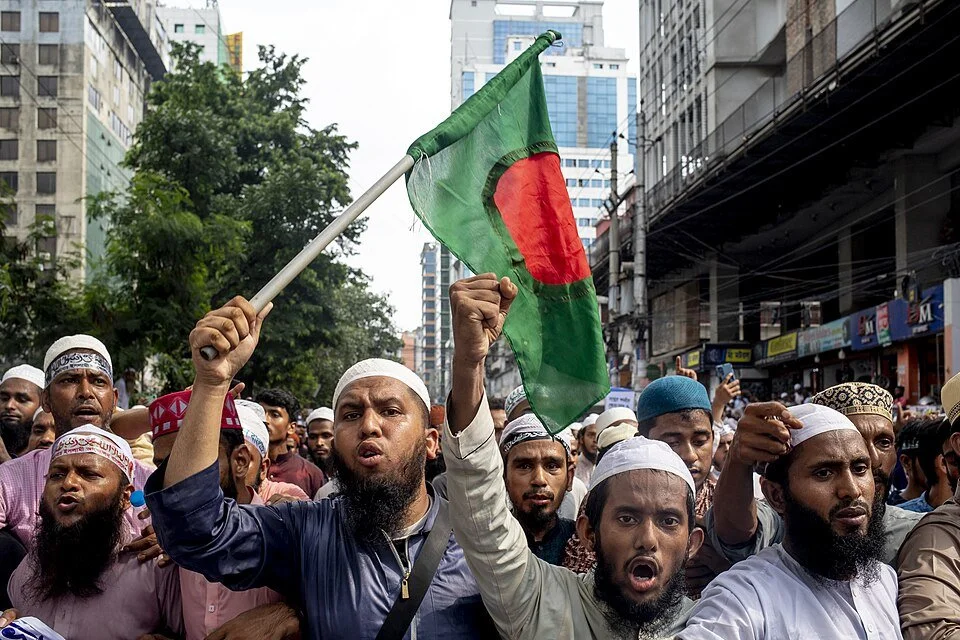
Similarly, the Islamist alliance, a 10-party alliance, led by Jamaat-e-Islami (Jamaat) is also facing tensions within the alliance over seat-sharing agreement. The Islami Andolan Bangladesh (IAB) exited the alliance after Jamaat allocated only 45 seats to the party as opposed to the initially sought 70 – 80 seats. Yunus Ahmed, IAB Secretary General, stated that Jamaat “acted like a big brother” and took “decisions without consulting” the IAB members, referring to the inclusion of National Citizen Party (NCB) into the alliance with 30 seats. Moreover, internal conflict among NCP leaders over joining the Islamist alliance led to the resignation of several key members. Currently, NCP is vying for more seats left vacant by the IAB. Consequently, heated negotiations are likely among the parties that could risk the stability of the alliance before the election.
Regional Policy Shift
BNP’s historic ties to Pakistan and Islamic alliance’s strong affinity to the Islamic world will rebalance the country’s political landscape through increased economic ties with Pakistan. However, Dhaka is still heavily dependent on India for its exports and imports due to geographical proximity and established supply chain links. Evidently, despite the recent tensions and trade restrictions, India-Bangladesh trade increased by 6% in FY25. Therefore, it is highly likely that bilateral trade between India and Bangladesh will remain stable in the next fiscal year. Nevertheless, trading relationship with Pakistan will also likely improve with the upcoming government.
During Sheikh Hasina’s term, security cooperation between India and Bangladesh was strong and coordinated. It followed repeated crackdowns on Indian separatists’ safe havens in Bangladesh and handed over suspected militants to the Indian authorities. With the upcoming government, it is highly likely that the existing counterterror cooperation will weaken, though not necessarily collapse. Moreover, it is almost certain that intel sharing will be reduced, fuelled by deep mistrust and ‘nation first’ agenda of the contesting parties in Bangladesh. Limited intel sharing increases uncertainty and heightens risk for Indian personnel and assets located in Bangladesh. However, the present scenario indicates that politically motivated individuals with strong anti-India sentiments pose a greater risk. This risk is unlikely to subside until the newly elected government stabilises ties with India. Nevertheless, it is highly likely that intelligence withholding by the new Bangladeshi government will increase surveillance along the border by the Indian authorities in addition to occasional diplomatic tensions.
Jubair Bin Iqbal/Wikimedia
Forecast
Short-term (Now - 3 months)
It is highly likely that the first parliamentary debate will focus on integrating more Islamic values within the governance if the Islamist alliance secured enough influence.
It is almost certain that this session will determine BNP’s foreign policy signalling towards India and Pakistan since BNP will likely push back extreme constitutional amendments proposed by the alliance.
Medium-term (3-12 months)
It is likely that bilateral trade between India and Bangladesh will slowdown, although it is unlikely that the overall trade volume will be affected.
It is almost certain that bilateral engagement with Pakistan and Türkiye will increase, largely driven by Islamist alliance for a closer tie with Muslim-majority countries.
It is highly likely that intelligence sharing will be limited and selective with India, increasing risk of cross-border terrorism.
