By Amelie Addison | 25 November 2026
Summary
Algeria's Parliament voted in late October 2026 to deploy troops in Niger, citing the purpose of protecting energy facilities and infrastructure, though precise details of the deployment have not yet been given. It is understood that this action was taken at the request of Niger.
The move marks a shift in Algeria's policy of non-intervention, and can be seen to represent an ambition to consolidate political influence in the region, although it carries a significant risk of a wider entanglement within its social and political turbulence.
The instability of the region lends significant difficulty to forecasting the success and possible trajectory of Algeria's endeavours. Whilst it is likely that Algeria will attempt to leverage the presence of its troops in Niger in order to forge stable partnerships independently of major global powers such as Russia and China, it is not likely that it will be wholly able to do so, given the numerous and multifaceted points of tension in this northwestern zone of the continent.
Context
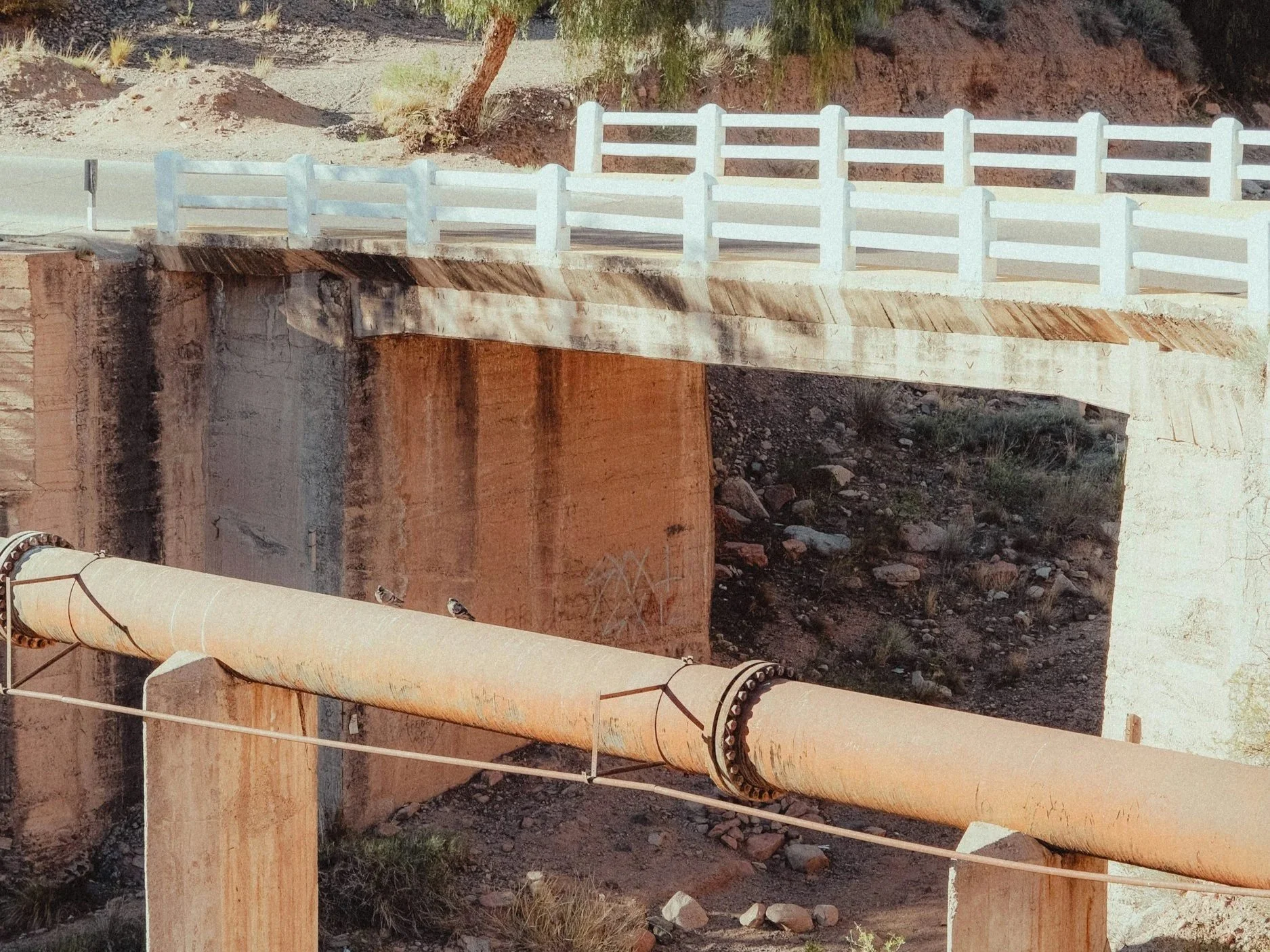
Algeria's Parliament has voted to send troops to northern Niger, marking its first foreign deployment since 1973, with Reuters reporting on 30 October 2026 that the first military convoy had reached Arlit, in northwestern Niger. It is expected that these military forces will be tasked with protecting energy facilities in the area, in which Algeria has vested interests, most notably in terms of ambition for the Trans-Saharan Gas Pipeline (TSGP) and the Kafra oil block. Since Niger’s current ruling military junta took power from President Mohamed Bazoum in a 2023 coup d’état, armed rebel groups have targeted energy infrastructure projects in an effort to undermine its main sources of income. Whilst the precise role of the Algerian deployment has yet to be defined, it is against this disruption that they will foreseeably be working.
The mobilisation demonstrates an increased emphasis on partnership between Niger and Algeria, following a period of strained diplomatic relations. It marks a growing engagement with the Alliance of Sahel States (AES), constituted of Niger, Burkina Faso, and Mali, all of which exited the Economic Community of West African States (ECOWAS) in 2025.
Following the drop in Russian exports as a result of its full-scale invasion of Ukraine, Algeria emerged as a top exporter of oil and gas to Europe, becoming Europe's third-largest gas supplier in 2023. In contrast, African Security Analysis reports that Niger’s hydrocarbon production ‘remain[s] a limited contributor to the national economy, due to modest production volumes and heavy reliance on a narrow set of external partners’. Algeria’s move to deploy troops can thus be seen as a move to consolidate regional influence and reputation amidst shifting economic and political arrangements.
This is particularly relevant in that the TSGP sits in competition with another planned pipeline project, the African Atlantic Gas Pipeline (AAGP), running from Nigeria to Morocco and which is routed offshore. This project excludes Algeria, which cut diplomatic ties with bordering Morocco in August 2021, citing security concerns. Tensions between the two countries continue, especially with respect to the disputed governance of Western Sahara, and Morocco's consolidation of security and military relations with the US and Israel. It is thus increasingly pressing that Algeria secures the success of the TSGP - its drive to consolidate regional influence in this way is demonstrative of a concerted effort to prevent rival Morocco from attaining regional hegemony.
Implications
Whilst the agreement between Algeria and Niger with regard to the deployment of troops can be viewed as a step towards stabilising a partnership which has the potential for significant economic opportunity for Algeria, the region remains volatile. The proliferation of insurgent groups threatens industrial and economic development projects such as the TSGP, which are being targeted as political leverage. This was illustrated in the summer of 2024, when a series of attacks on the Niger-Benin Oil Pipeline by rebel groups significantly disrupted its operations. In deploying troops to safeguard similar projects, Algeria risks its forces becoming engaged with insurgent factions beyond the original scope of its presence in Niger.
Further, there is a risk that if Algeria is perceived to be moving outside of its longstanding policy of non-intervention, further demands may be made of its military. This is particularly relevant with regard to Algeria's continued support for the Polisario Front in Western Sahara. Only a week after Algeria's Parliament announced the deployment of troops into Niger, the mandate for the United Nations Mission for the Referendum in Western Sahara expired, following a stalemate at the UN Security Council. This leaves international peacekeeping and mediation efforts highly uncertain. Niger and Algeria support different claims to sovereignty over the territory, and this disparity has the potential to strain the newly developed alignment between the two countries. This would be of special concern should the Polisario Front request a higher degree of support from Algeria, which already supplies the group with arms.
Though these risks are significant, Algeria's deepening ties with Niger represent an important opportunity to develop its relations with the region. Algeria has strong existing links to both Russia and China, though within its immediate geographic context, it risks losing secure influence. Increasingly, Morocco, supported by the US and Israel, is widening its partnerships across the North African diaspora. Algeria's fulfilment of Niger's request for troops may thus prove vital in shoring up relations with members of the AES, becoming a crucial step in ensuring that it does not become politically and economically isolated.
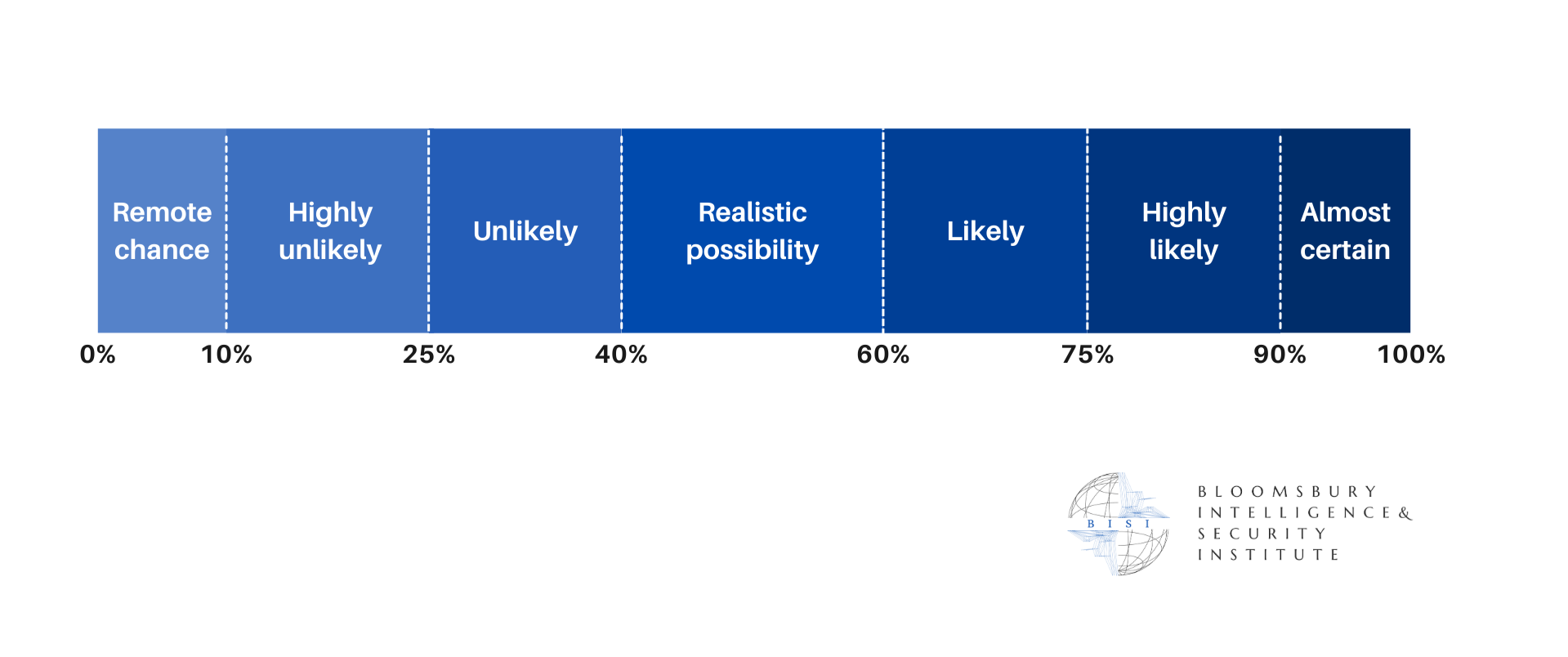
Forecast
Short-term (Now - 3 months)
It is likely that Morocco will pursue its claim to Western Sahara with increasing insistence, and thus Algeria will seek to secure its warming relations with Niger.
There is a reasonable possibility of Algerian forces engaging insurgent actors, who will likely seek to disrupt renewed efforts to construct the TSGP.
Medium-term (3 - 12 months)
It is highly unlikely that the region will have stabilised significantly.
There is a reasonable possibility that Algeria's assistance to Niger will have developed into a formal partnership which may also include Russia and/or China as economic and/or operational partners given the existing involvement of both powers in Nigerien political stability and economic/industrial exploration.
Continuation of an Algerian military presence in Niger is likely in order to secure any such venture.
Long-term (>1 year)
Given the instability of the region, it is difficult to predict the extent to which Algeria's relations with Niger and the AES more broadly will have developed, and whether troops will remain in Niger.
It is highly likely that Algeria will seek to protect its interests, and particularly those of state-owned Sonatrach in Niger; however, there is a reasonable possibility that this will be executed via additional channels and with other political levers than military presence alone.