Africa’s Grid Skills Crisis and Energy Transition 2026: Geopolitical Dependencies, Financing Gaps, and Security Risks to Industrialisation
By Stephen Nkrumah | 1 April 2026
Kreuzschnabel/Wikimedia
Summary
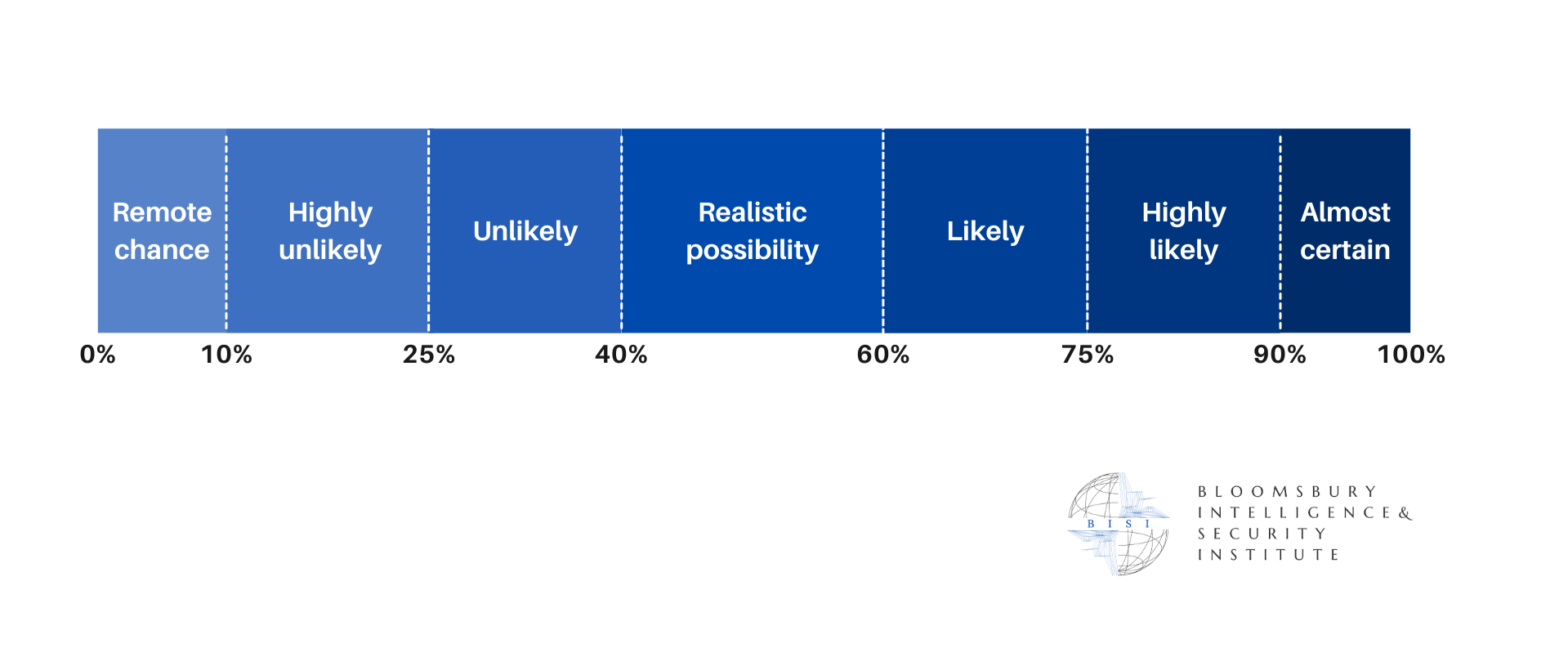
Even though Africa has strong renewable energy potential, challenges like weak grid systems and a shortage of skilled workers are making it difficult to fully integrate renewable energy and maintain a reliable power supply in 2026.
At the same time, issues like limited financing, weak procurement systems, and governance risks are keeping many countries dependent on diesel generators and external funding for infrastructure.
If investments in the grid and the development of skilled workers do not improve quickly, plans for industrial growth may face higher energy costs and ongoing power reliability problems through 2027.
Context
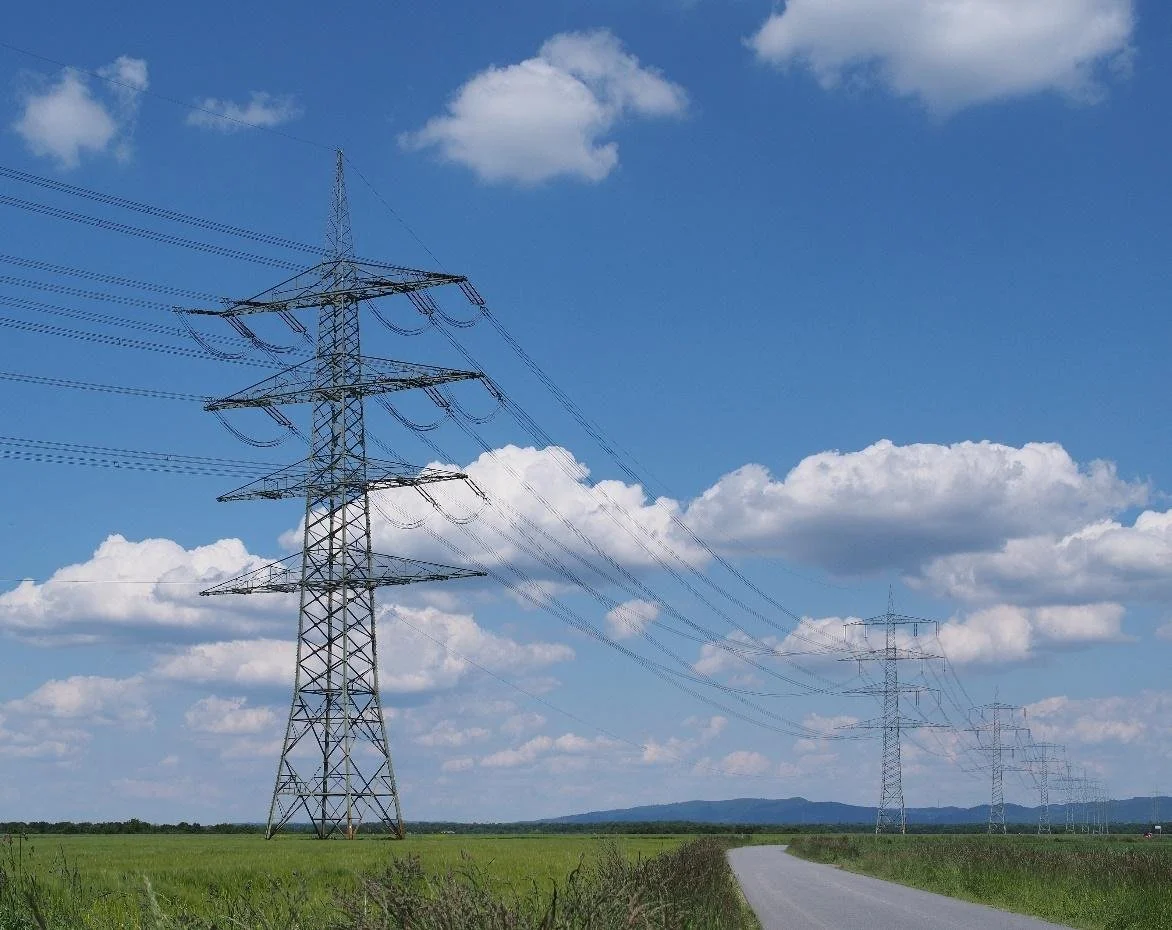
Africa’s electricity demand is rising with population growth, urbanisation, and industrial policy goals, but power systems are increasingly constrained by limited transmission build-out, high distribution losses, and shortages of specialised grid workers, including planning, engineering, protection, and maintenance staff. Although Africa added 4.2 GW of renewable capacity in 2024, a 6.7% increase led by South Africa, Egypt and Ethiopia, this is still below the level needed to significantly expand renewable electricity across the continent. The International Energy Agency (IEA) estimates that more than 600 million people in Africa still lack access to electricity, which continues to affect reliability and forces many users to rely on backup generation.
Nigeria clearly shows the scale of the challenge, as available generation is often not delivered to end-users due to transmission, distribution, and commercial constraints, leading to widespread use of generators by businesses and households. Liquidity shortfalls, sector inefficiencies, and loss reduction challenges are major barriers to improving supply. In Kenya, renewable energy use is relatively high, but grid congestion and planning constraints can delay new connections and reduce the benefits of additional renewable capacity without stronger transmission systems and better operations. In Egypt and Morocco, large-scale renewable projects and export-focused strategies increase the need for strong grid integration and stable financing.
Across these countries, concerns about mismanagement, weak procurement systems, and corruption risks can reduce investor confidence and slow down the delivery of important grid projects, especially where oversight and enforcement remain weak.
Implications
From a political perspective, challenges like delays in grid expansion and frequent power outages are likely to increase public pressure on governments and regulators, particularly in high-demand urban areas. In systems where cost recovery is weak and reforms are often questioned, there is a real possibility of policy reversals or delays in implementation, especially around tariff decisions and subsidy design. When procurement processes are contested, corruption or mismanagement allegations may trigger investigations and political disputes that delay project execution.
Economically, continued reliance on diesel self-generation by firms is almost certain to keep production costs high in areas with unreliable electricity supply, making businesses less competitive and discouraging labour-intensive manufacturing. At the same time, low investment in the grid and rising utility debt could widen funding gaps. This may push countries to depend more on external lenders and vendor financing, which can increase repayment burdens over time and make them more vulnerable to foreign exchange rate risks. Again, if renewable energy expands more slowly than expected, it could hold back industrial projects that depend on clean power, including export supply chains, data centres, and green industrial parks in countries like Egypt, Morocco, Kenya, and Ghana.
Also, in terms of security, prolonged blackouts and high electricity costs can contribute to localised unrest and even increase crime in some urban centres, particularly when outages happen during heatwaves or fuel shortages. In places like Nigeria, where energy poverty already overlaps with insecurity, the combined effect of weak grid supply and limited economic opportunities is likely to create conditions that support criminal networks and armed groups like Boko Haram and Islamic State West Africa Province, although the level of risk may differ from one state to another. In addition, the growing use of digitised grid systems without strong cyber protection may increase operational technology (OT) cyber risks over time, especially as utilities expand the use of smart metering and remote switching.
Forecast
Short-term (Now - 3 months)
Grid congestion and maintenance backlogs are likely to continue causing power outages in high-deficit markets, as the system struggles to keep up with demand.
As a result, many businesses and households will still depend on diesel self-generation to meet their energy needs, with the overall severity expected to remain at a medium level.
Medium-term (3 - 12 months)
If tariff and liquidity reforms do not stabilise, there is a real possibility that payments to generators and contractors will be delayed, affecting how the sector operates.
These delays are likely to slow down network upgrades and improvements, with the overall severity expected to range from medium to high.
Long-term (>1 year)
If skills pipelines like Technical and Vocational Education and Training (TVET), apprenticeships, and dispatch training, together with grid capex, do not improve quickly, the energy sector may continue to face capacity challenges.
This is likely to limit industrial load growth across affected markets, with the overall severity expected to be high.