
South Africa’s Energy Transition: Can Renewables Cure Power Outages and Boost Growth
By Stephen Nkrumah | 16 February 2026
Summary
South Africa is accelerating its transition to renewable energy to reduce chronic load shedding (frequent electricity supply interruptions) and support economic growth.
However, this transition is still held back by limited grid capacity, project delivery risks, and ongoing governance challenges, including corruption and mismanagement in parts of the power sector.
While increased renewable capacity is likely to ease power shortages in the medium term, high short-term operational and economic risks will continue unless there are clear improvements in governance and system management.
Context
South Africa has faced ongoing electricity shortages since 2008, largely due to ageing coal-fired power plants, delayed maintenance, and many years of underinvestment in energy infrastructure. Coal still provides more than 82% of the country’s electricity, which makes the power system highly vulnerable when plants break down or operate below capacity. In response to these challenges, the government under President Cyril Ramaphosa has placed strong emphasis on expanding renewable energy, especially solar and wind power. Key policy frameworks such as the Integrated Resource Plan and the Renewable Energy Independent Power Producer Procurement Programme (REIPPPP) were introduced to diversify the energy mix, attract private investment, and reduce reliance on Eskom, the state-owned electricity utility.
Progress in renewable energy development increased since August 2023, as several projects were fast-tracked, leading to higher generation capacity, faster project approvals, and increased private-sector participation in response to worsening load shedding. Despite this momentum, implementation has remained slow and uneven as regulatory bottlenecks, limited grid capacity, and delays in procurement have continued to restrict progress to a significant extent. Eskom (which is South Africa’s state-owned electricity utility company) is still burdened by serious financial and operational problems, including high debt levels and weak oversight, which have slowed grid upgrades and made it difficult to integrate new renewable power into the system. Allegations of corruption and irregular procurement within Eskom and related institutions have further damaged public trust and reduced investor confidence. These weaknesses were again exposed when Stage 6 load shedding, which involves widespread and prolonged power cuts and represents one of the most severe stages on the outage spectrum, was implemented on 27 January 2026, highlighting the fragile state of the electricity system, even though national load shedding has since been temporarily suspended.
Implications
The ongoing load shedding is likely to pose political risks for the ruling African National Congress (ANC), as growing public frustration over unreliable electricity supply threatens to weaken public trust, which could lead to fewer people voting for the ANC and create opportunities for opposition parties or coalitions to gain influence. Ongoing corruption and mismanagement within Eskom, particularly in procurement processes, have further undermined governance and reduced investor confidence. These weaknesses increase the likelihood of continued delays in much-needed infrastructure upgrades. According to the Auditor-General’s 2025 report, Eskom lost approximately R11 billion through corruption, irregular, fruitless, and wasteful expenditure, clearly illustrating the scale of financial mismanagement and governance failures within the power utility.
From an operational perspective, unreliable electricity supply is likely to continue to disrupt manufacturing, mining, and small businesses, leading to higher operating costs and lower productivity. Energy-intensive sectors like mining, steel and metal production, chemicals and cement are mostly affected, as frequent power cuts cause repeated production stoppages. During previous Stage 6 outages in 2023, the economy was estimated to lose about ZAR 900 million (USD 49 million) per day. Small and medium-sized enterprises are mostly vulnerable, as many lack the financial capability to invest in alternative power sources like generators or solar systems.
On the economic front, chronic load shedding has steadily reduced production capacity and slowed overall economic growth. South Africa’s economy remains heavily dependent on coal for electricity generation, making the system vulnerable to ongoing disruptions. Investor confidence continues to weaken due to persistent governance challenges, policy uncertainty, and the slow pace of renewable energy adoption. Although the government has tried to attract foreign investment through the Renewable Energy Independent Power Producer Procurement Programme (REIPPPP), its impact has been limited by bureaucratic delays and repeated allegations of irregular procurement. As a result, the rising cost of energy disruptions is likely to threaten jobs in energy-intensive sectors and further reduce South Africa’s competitiveness in the regional and global economy.
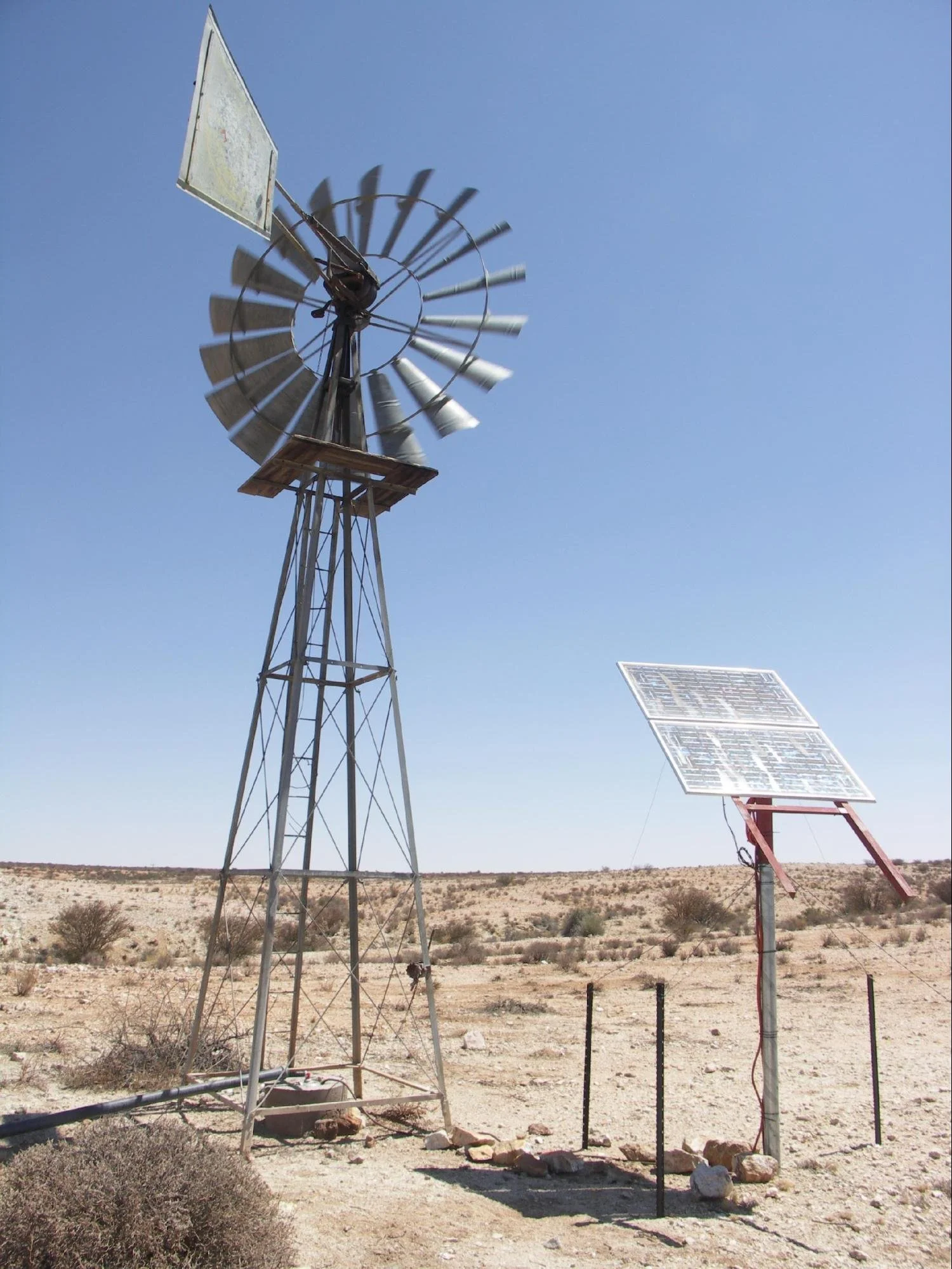
NJR ZA (2010), CC BY-SA 3.0
Forecast
Short-term (Now - 3 months)
Load shedding is very likely to continue on an intermittent basis, mainly due to ongoing infrastructure constraints and operational failures within the power system.
The resulting disruptions are likely to have high-severity impacts on both businesses and households, especially through reduced productivity, higher operating costs, and continued uncertainty in electricity supply.
Medium-term (3-12 months)
Increased renewable capacity is likely to moderately reduce the frequency of outages; however, grid bottlenecks and Eskom’s debt burden are expected to keep overall electricity supply risks elevated.
The severity of impacts is therefore assessed as medium, as ongoing governance weaknesses and limited grid capacity continue to constrain overall system reliability.
Long-term (>1 year)
If corruption and mismanagement are effectively addressed, electricity supply stability is likely to improve, leading to a high positive economic impact.
If corruption and mismanagement are not addressed, the risk of recurring electricity disruptions is very likely with high negative economic consequences for the economy.
