By Hossamaldeen Ibrahim | 25 November 2026
Summary
The Rapid Support Forces (RSF) have intensified drone attacks on Sudanese power stations and civilian infrastructure since late October 2026, causing widespread blackouts across army-controlled states.
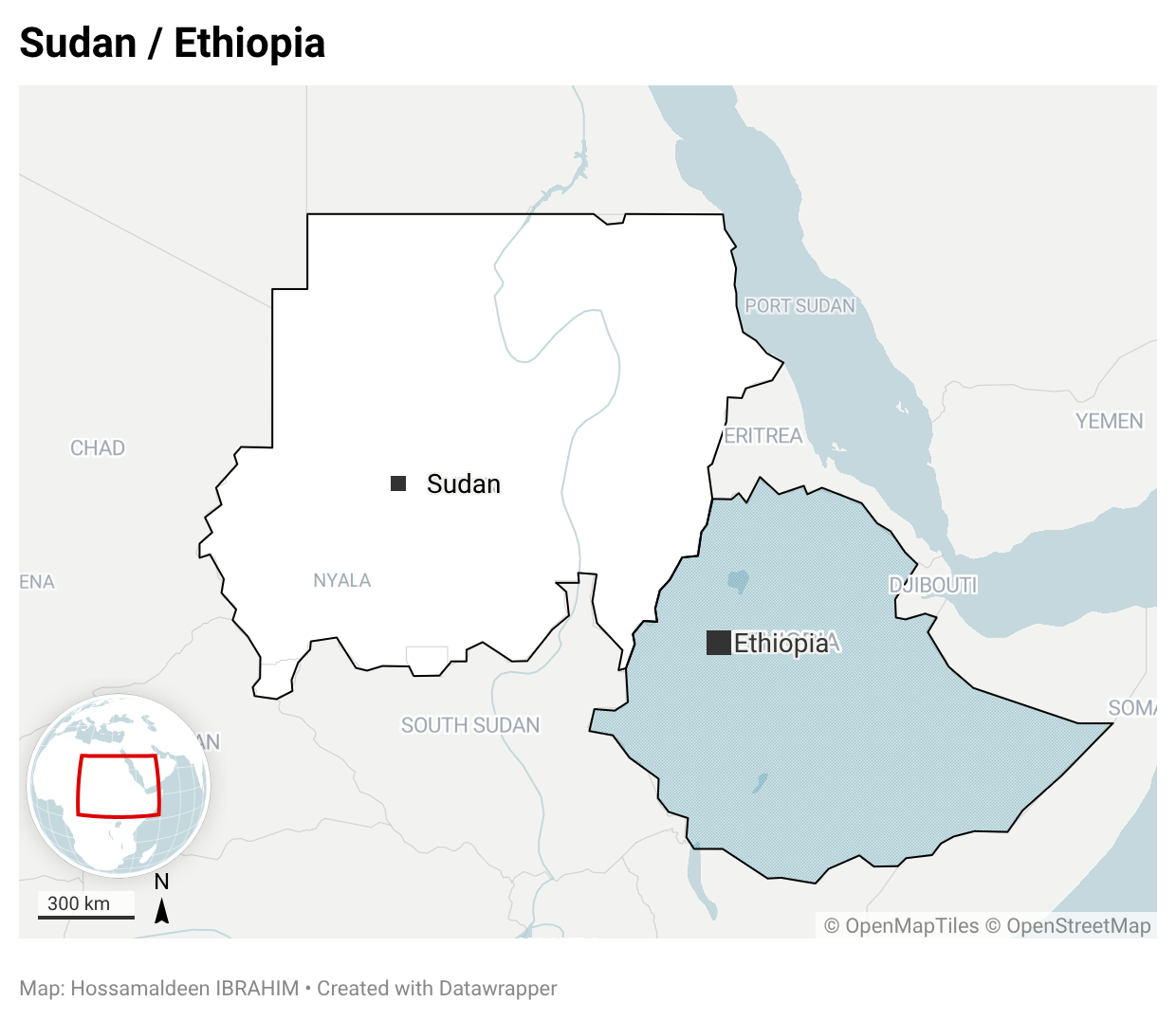
Sudan has formally accused Ethiopia of allowing RSF drones to be launched from its territory and of hosting training facilities, lodging complaints with the United Nations Security Council (UNSC) and the African Union Peace and Security Council (AUPSC).
These developments risk further regionalising Sudan’s conflict by intertwining it with Nile water disputes over the Grand Ethiopian Renaissance Dam (GERD) and existing tensions involving Egypt and Eritrea.
Context
Between late October and early November 2026, the RSF conducted successive drone strikes against electricity substations and related infrastructure in states including Al-Jazirah, Sennar, Gedaref, White Nile, Khartoum and Northern State. The attacks disrupted power supplies for millions of civilians and damaged critical civilian facilities, including hospitals, water systems and fuel storage sites. Sudanese authorities reported that the RSF launched 70 attacks involving 187 one-way attack drones from Ethiopian territory between February and October 2026, with a sharp increase in October.
On 1 - 2 November, Sudan submitted formal complaints to the UNSC and AUPSC, alleging that sites in Ethiopia, including Asosa Airport in Benishangul-Gumuz and Bahir Dar airbase, had been used as launch points. Sudan further claimed that the Asosa military area had become a hub for weapons, equipment and the transit of foreign fighters. Ethiopia has denied the accusations and, in turn, accused Sudan of supporting Tigrayan armed groups. Diplomatic relations deteriorated further when Ethiopia ordered the closure of the Sudanese consulate in Asosa, and Sudan reciprocated by closing the Ethiopian consulate in Gedaref.
Earlier reporting, including a February 2026 Reuters investigation, documented an RSF training camp in Menge district, Benishangul-Gumuz, capable of holding several thousand personnel and located approximately 100 km from the GERD. Sudanese officials have linked these facilities to RSF operations in Blue Nile State. The GERD itself remains a long-standing source of tension between Ethiopia on one side and Egypt and Sudan on the other, with both downstream states viewing the dam as a strategic vulnerability. Ethiopia has previously accused Egypt, Sudan and Eritrea of supporting Tigrayan rebels, illustrating the overlapping nature of the region’s proxy dynamics.
Implications
The expansion of RSF drone operations against civilian infrastructure represents a deliberate shift toward systematic degradation of essential services in Sudanese Armed Forces (SAF) controlled territory. By targeting power stations, the RSF is not merely seeking tactical battlefield advantage but is applying pressure on urban populations, hospitals, water systems and food storage facilities. This approach increases the humanitarian cost of the war and raises the political price for the SAF of continuing military operations without a negotiated outcome. The scale and geographic reach of the October and November strikes, extending hundreds of kilometres from known RSF ground positions, indicate expanded targeting capacity and improved operational coordination.
The alleged use of Ethiopian territory as a rear base provides the RSF with strategic depth that the SAF cannot easily counter through conventional means. Training facilities and launch sites in Benishangul-Gumuz allow the RSF to regenerate forces, stage equipment and conduct drone operations beyond the immediate reach of Sudanese air defences. This rear-area sanctuary complicates SAF efforts to cut supply lines and prolongs the conflict by reducing the cost of attrition for the paramilitary force.
Regionally, the accusations risk merging Sudan’s civil war with the unresolved GERD dispute and Ethiopia’s internal conflicts. The proximity of reported training sites to the dam heightens Ethiopian concerns over potential spillover or deliberate targeting, while reinforcing Egyptian and Sudanese perceptions of coordinated pressure along the Blue Nile corridor. Closer Sudanese-Egyptian alignment against perceived Ethiopian and RSF threats could further polarise Horn of Africa alignments, drawing Eritrea more deeply into the contest as a counterweight. Mutual diplomatic expulsions and formal complaints to multilateral bodies indicate that both sides are preparing for sustained confrontation rather than rapid de-escalation.
External enabling networks, particularly those linked to the United Arab Emirates (UAE), continue to sustain RSF capabilities through reported training support, logistics and drone-related technology. As long as these networks remain intact, purely defensive or bilateral measures by Sudan are unlikely to neutralise the RSF’s capacity to strike critical infrastructure. The combination of rear-area sanctuary, advanced drone warfare and unresolved Nile water tensions creates a multi-layered conflict that is increasingly difficult to contain within Sudan’s borders. Without coordinated external pressure on enabling networks and a credible political track, the risk of further regionalisation remains high.
Forecast
Short-term (Now - 3 months)
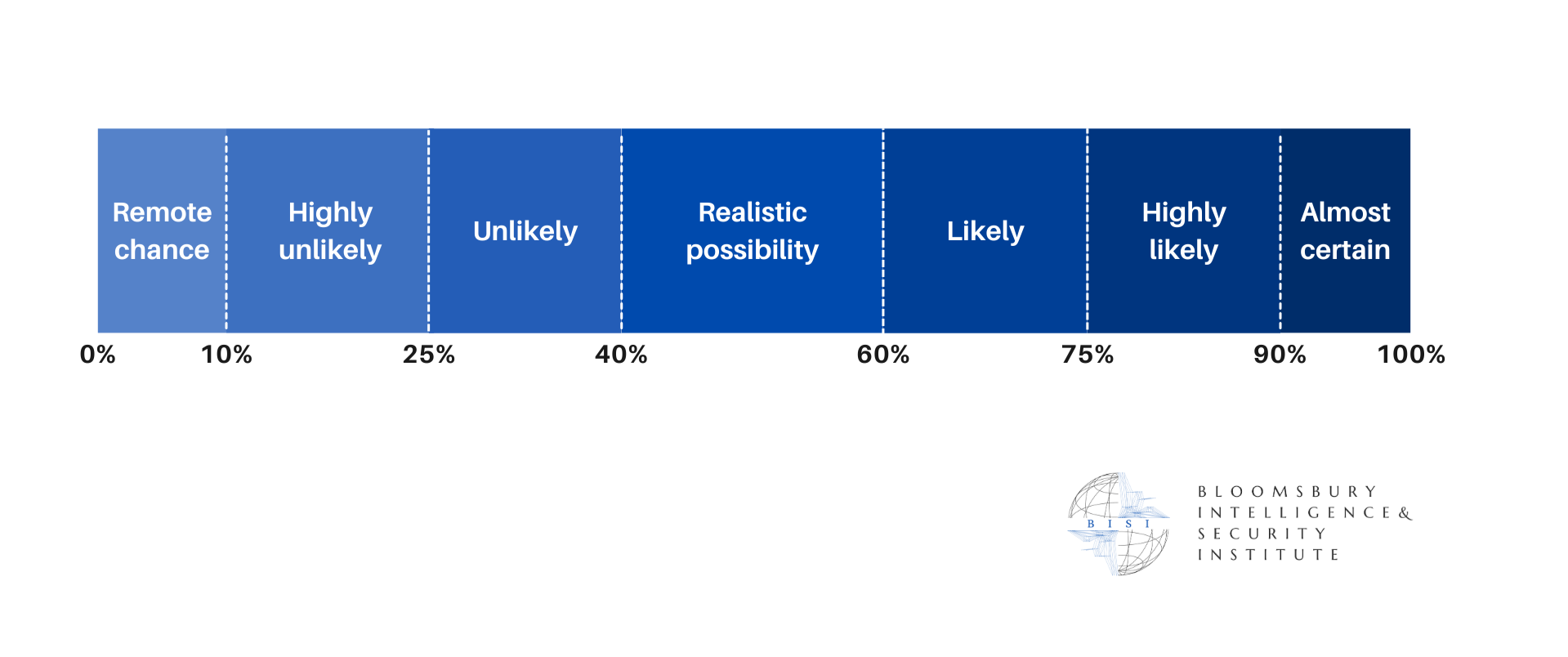
RSF drone strikes on infrastructure are highly likely to continue. Diplomatic friction between Sudan and Ethiopia is highly likely to persist, with limited progress on multilateral complaints.
Medium-term (3 - 12 months)
Cross-border activity linked to the RSF is likely to remain a feature of the eastern front. Tensions over the GERD and competing regional alliances are likely to intensify, raising the risk of further diplomatic or limited military incidents.
Long-term (>1 year)
Sustained external support for the RSF and unresolved Nile water disputes make broader regionalisation of the conflict a realistic possibility in the absence of coordinated external pressure on enabling networks and a political settlement inside Sudan.