
ISSP Claims Responsibility for Attack on Airport in Niamey, Niger
By Sarah Ambrose | 16 February 2026
Summary
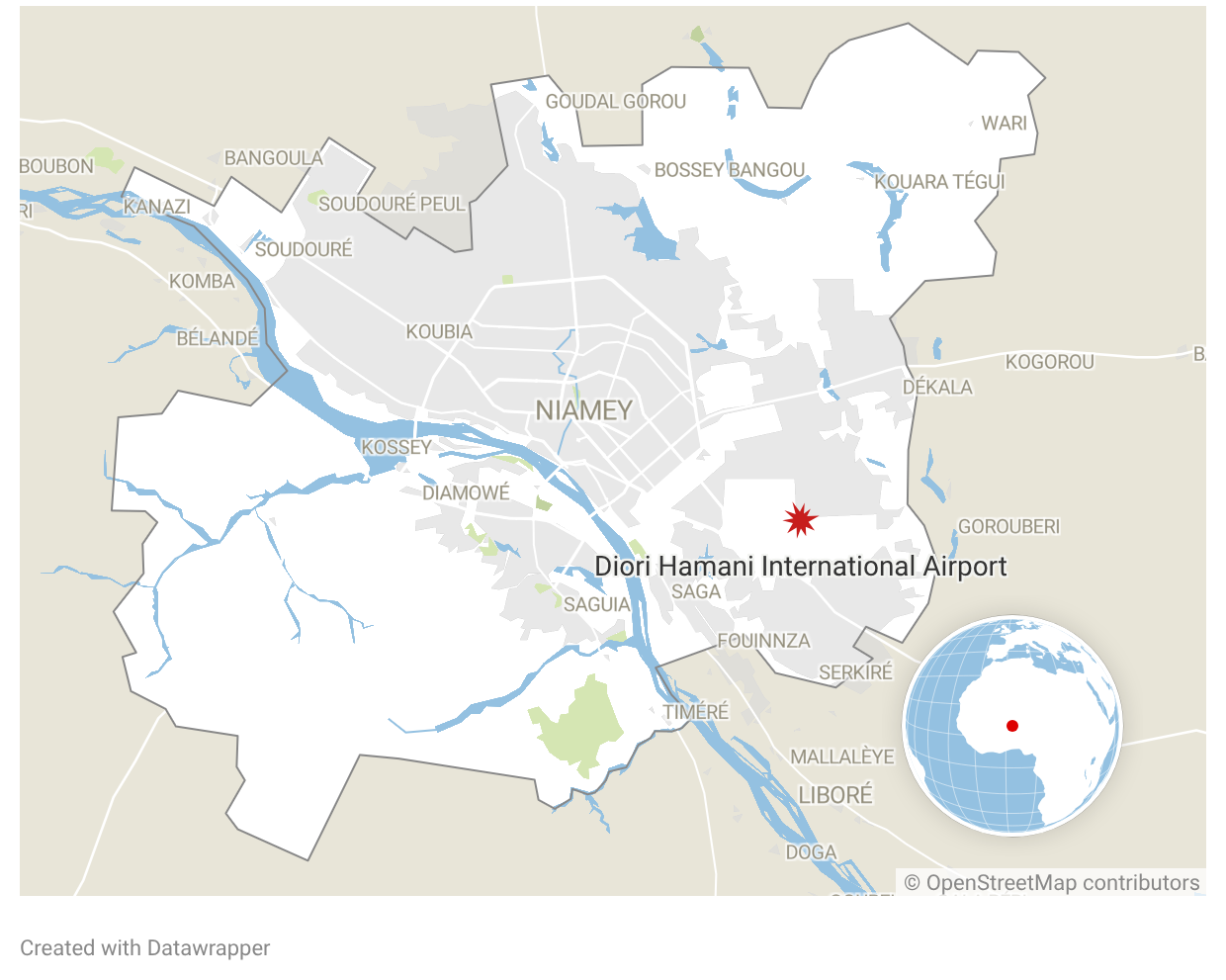
The Islamic State claimed responsibility for an attack on Diori Hamani International Airport in Niamey, Niger on 29 January 2026.
This is the first major attack by the Islamic State - Sahel Province (ISSP) on the capital of Niger and signifies the group’s growing influence across the region.
Due to the Niger government’s animosity with France and the role of Russian troops in stopping the attack, it is likely that Niger and Russia will further strengthen their defence partnership within the next year.
Context
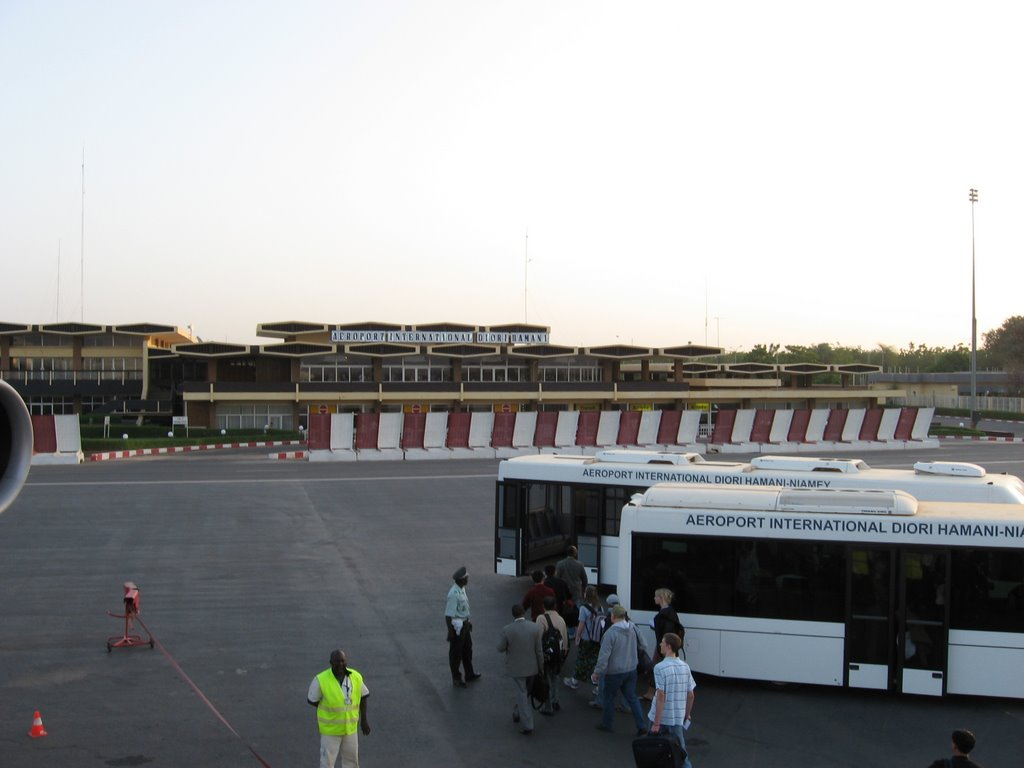
In the early hours of 29 January 2026, militants launched an attack on Diori Hamani International Airport and an adjacent air force base in Niamey, Niger. According to the Niger Ministry of Defence, 20 militants were killed, and 4 military personnel were injured. At the time of the attack, large shipments of uranium awaiting export were at the airport and left unharmed. In a statement following the attack, military junta leader Abdourahamane Tchiani accused the presidents of Benin, Côte d'Ivoire, and France of sponsoring the attackers, despite the lack of evidence. On 30 January, the Islamic State claimed responsibility for the attack.
Implications
This attack is the latest in a surge of ISSP violence across Niger, with 120 people killed in strikes in the Tillabéri Region, bordering Burkina Faso, in September. Despite Niger’s ongoing struggle against the jihadist militant group, this incident marks the first major attack on Niger’s capital since ISSP began targeting the government. In recent years, ISSP and its rival Islamist militant group Jama’t Nusratul Islam wal Muslimin (JNIM) have expanded their operations outside of western Niger, moved closer to its capital, and shifted their focus to urban targets. This latest attack demonstrates the inefficacy of Niger’s current counterterrorism efforts and a strengthened jihadist presence across the country.
In his address following the attack, Tchiani thanked Russian troops for their role in stopping the attack, as Russian soldiers are stationed at the airport’s military base. Tchiani reaffirmed his relationship with Russia and emphasised the importance of Russia's military support for regional counterterrorism efforts. In recent years, Niger, Burkina Faso, and Mali have undergone coups that installed military junta leaders with favourable views toward Russia. The 3 countries withdrew from the Economic Community of West African States (ECOWAS) to form the Alliance of Sahel States (AES), which distances itself from France and other former Western allies andincreasingly turns towards Russia for strategic alliances. The withdrawal from ECOWAS heightens the regional risk of spillover conflict, given weakened counterterrorism effortsand the prioritisation of individualised responses.
The Niamey airport currently holds a large stockpile of uranium that is the subject of dispute between the Niger government and the French company Orano. Niger is the 9th largest uranium producer worldwide, and the country historically partnered with French companies for mining and trade. Following the 2023 military coup, the new government revoked the mining permits of several French companies, including Orano. In June 2025, the government announced its intentions to nationalise the uranium industry, further escalating its ongoing disputes with Orano. As Niger’s relationship with France and French-owned companies deteriorates, it continues to strengthen its ties with Russia, signing a partnership with a Russian uranium company in December 2025. The Rosatom corporation primarily focuses on nuclear energy; however has a nuclear weapons branch, opening the potential for increased nuclear threats against Ukraine and its allies. While the uranium held at the Niamey airport was not taken or harmed during the attack, its proximity does raise security concerns regarding the ongoing uranium dispute and its ability to fall into the hands of ISSP.
Forecast
Short-term (Now - 3 months)
It is likely that, in the next few months, there will be additional Islamist militant attacks near the capital of Niger as groups such as ISSP and JNIM expand their region of operation.
Medium-term (3-12 months)
There is a realistic possibility that, within the next year, Niger’s government will develop a new defence agreement with Russia, increasing the presence of Russian troops across the Sahel.
Long-term (>1 year)
It is unlikely that ISSP will seize Niger’s uranium supply as the material has not been a primary target of ISSP attacks thus far.
It is also unlikely that militants will obtain and use dirty bombs or weapons of mass destruction.
