External Support Networks Sustain Sudan’s Multi-Faceted Conflict
By Hossamaldeen Ibrahim | 21 September 2026
Summary
The Independent International Fact-Finding Mission for the Sudan released its report "Fuelling Sudan’s Conflict: Weapons, Fighters and External Support Networks" on 3 September 2026, documenting transnational networks that supply weapons, drones, logistics and foreign personnel to the Rapid Support Forces (RSF) and Sudanese Armed Forces (SAF).
Expanded drone capabilities and continued external support have extended the conflict’s geographical reach, increased civilian casualties and reinforced a self-sustaining war economy based on gold, gum arabic and other commodities.
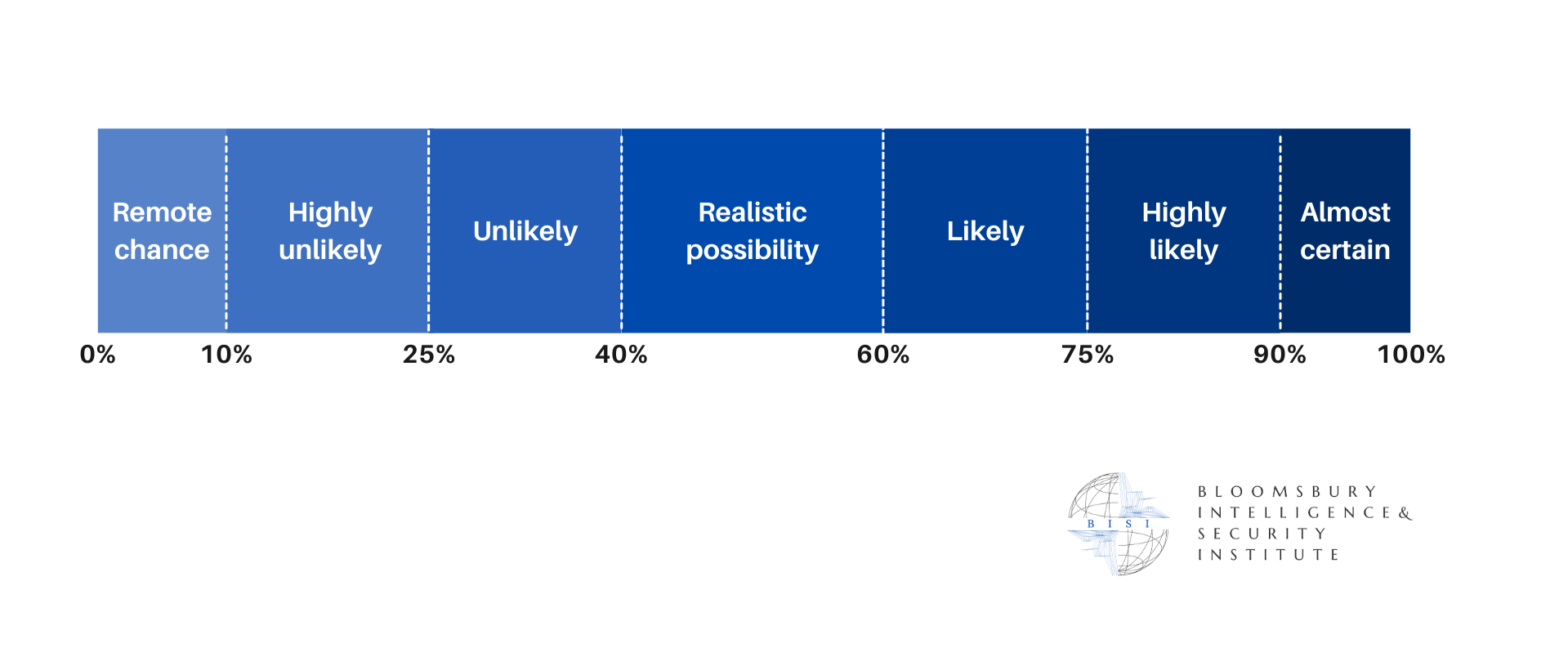
It is highly likely that external weapons flows and the war economy will continue to limit the effectiveness of diplomatic initiatives, including Quintet consultations, in the coming months.
Context
The conflict in Sudan began on 15 April 2023 between the Sudanese Armed Forces (SAF), the national army led by General Abdel Fattah al-Burhan, and the Rapid Support Forces (RSF), a paramilitary group led by General Mohamed Hamdan Dagalo (Hemedti) that originated from the Janjaweed militias. On 3 September 2026, the Independent International Fact Finding Mission for the Sudan (FFM-Sudan) presented its report "Fuelling Sudan’s Conflict: Weapons, Fighters and External Support Networks" to the United Nations Human Rights Council at its 63rd session. The Mission found reasonable grounds to believe that transnational private entities and logistics networks operating from countries including Colombia and the United Arab Emirates have recruited, trained and deployed foreign personnel, primarily former Colombian military contractors, in support of the RSF, while foreign supplied systems have enhanced the drone capabilities of both the RSF and the SAF.
Implications
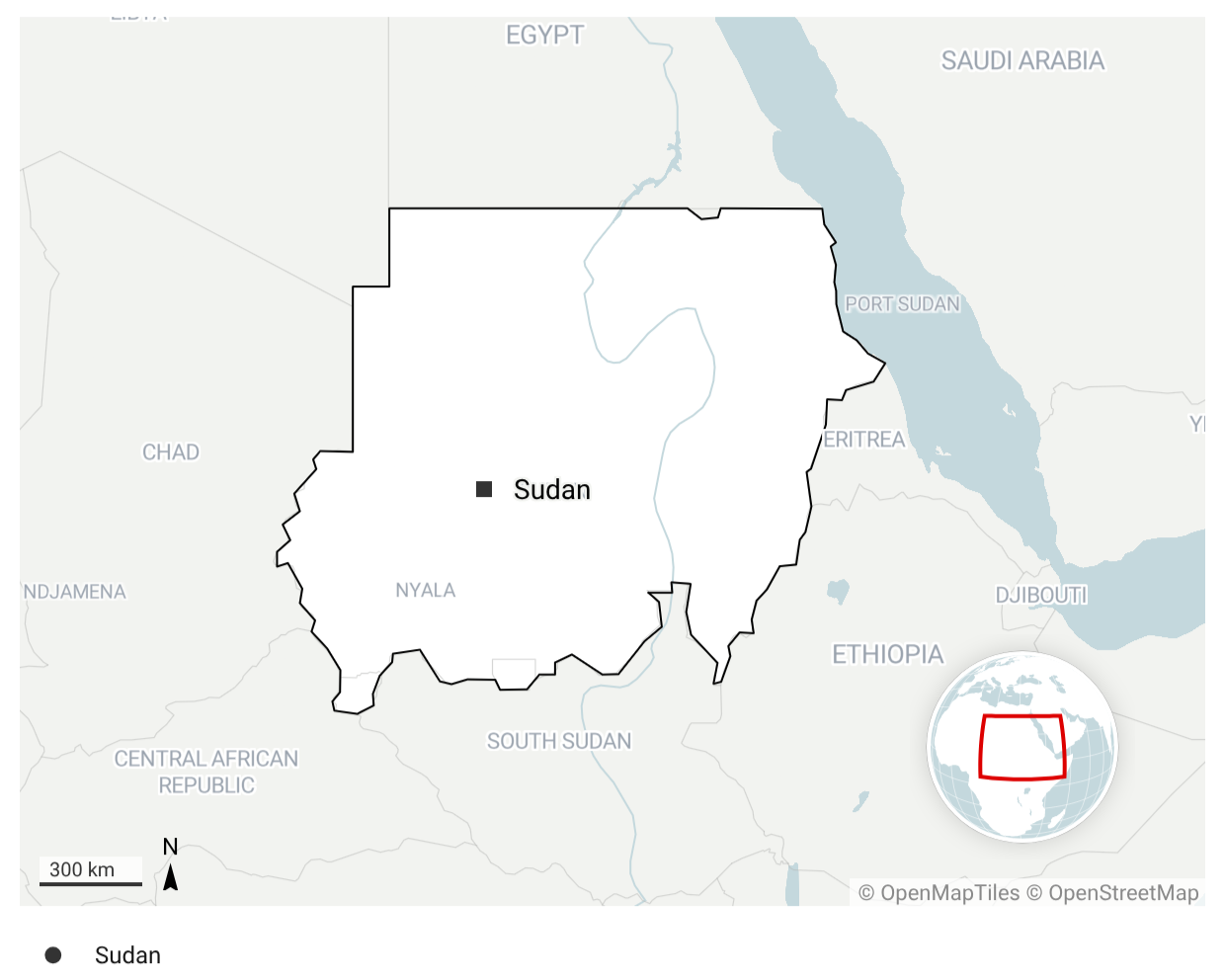
The FFM-Sudan established reasonable grounds to believe that private entities, logistics intermediaries and recruiters operating from countries including Colombia and the United Arab Emirates used transit locations in Chad, southeastern Libya and Somalia to deliver personnel, training, weapons and logistics to the RSF. Up to 2,000 former Colombian military contractors (private military contractors, not regular foreign militaries or humanitarian actors) were documented as operating combat drones, artillery and advanced weapons systems alongside RSF units in Darfur and Kordofan.
Documented RSF drone attacks included successive strikes in Kalogi, South Kordofan, that killed 114 people, among them approximately 60 children, and repeated operations against Al-Obeid in North Kordofan between July and August 2026 that degraded electricity, fuel and water infrastructure in a city already under partial siege. SAF strikes in Al-Da’ein, East Darfur, killed at least 70 people and destroyed a major hospital. The Office of the United Nations High Commissioner for Human Rights recorded more than 1,000 civilian deaths from drone strikes between January and May 2026 alone. These attacks affected hospitals, schools, markets, displacement sites and essential civilian infrastructure. Long-range drones have allowed both parties to project power far beyond front lines, increasing security risks for civilians through targeted infrastructure attacks and creating operational barriers that prevent effective humanitarian planning and response.
A separate assessment by the United Nations Human Rights Office published in July 2026 examined the war economy sustaining the conflict. Control of gold production, the gum arabic trade and other commodities generates revenue that finances military operations on both sides. Before the conflict, Sudan accounted for 70 to 80 per cent of global crude gum arabic exports. Large scale looting, redirected smuggling routes through neighbouring countries, and informal taxation have transformed these resources into instruments that prolong hostilities. Economic incentives embedded in territorial control reduce the immediate costs of continued fighting and deepen poverty among the most vulnerable populations by collapsing formal trade networks.
Diplomatic efforts face structural complications. The Quintet group, comprising the African Union (AU), the Intergovernmental Authority on Development (IGAD), the League of Arab States, the European Union (EU) and the United Nations (UN), has conducted consultations and a recent good offices mission to Khartoum. Parallel tracks involving the Quintet and other partners have produced roadmaps calling for humanitarian truces and civilian-led transitions. However, the absence of enforceable restrictions on weapons transfers and commodity financing has allowed battlefield logic to predominate, limiting the leverage of these initiatives against ongoing military operations and external enabling networks.
The persistence of external support networks and the war economy creates interlocking obstacles to de-escalation. States linked to supply chains remain under international legal obligations to exercise due diligence, investigate illicit networks and enforce the existing Darfur arms embargo. The main issues are limited compliance by states of transit and origin, continued trafficking through private networks, and the geographically restricted scope of the current embargo, which does not cover the whole of Sudan. Without coordinated action to interrupt these flows, mediation frameworks lack the capacity to alter the incentives that sustain prolonged hostilities. The FFM-Sudan has called on the United Nations Security Council to extend the arms embargo throughout Sudan and on all States to suspend transfers where there is a substantial risk of contributing to serious violations.
These complications illustrate a conflict in which military, economic and external dimensions reinforce one another. Expanded technological capabilities increase lethality and geographical reach, resource extraction finances continued operations, and fragmented diplomatic engagement struggles to impose meaningful constraints. The result is a prolonged multi-faceted war in which civilian protection remains secondary to the maintenance of fighting capacity on both sides.
Forecast
Short-term (Now - 3 months)
It is highly likely that external weapons and drone supplies will continue, sustaining intensified operations in Kordofan and residual fighting in Darfur while civilian infrastructure remains under pressure.
Medium-term (3 - 12 months)
The war economy based on gold and agricultural commodities will likely reinforce the capacity of both parties to prolong hostilities, reducing the leverage of existing mediation formats unless accompanied by enforceable restrictions on external networks.
Long-term (>1 year)
Coordinated enforcement of an expanded arms embargo across all of Sudan remains unlikely in the absence of stronger Security Council consensus. Without such enforcement and disruption of commodity financing routes, the conflict is likely to remain multi-faceted, with external support and resource extraction continuing to outweigh diplomatic progress.