
By Daniyar Egen | 1 December 2025
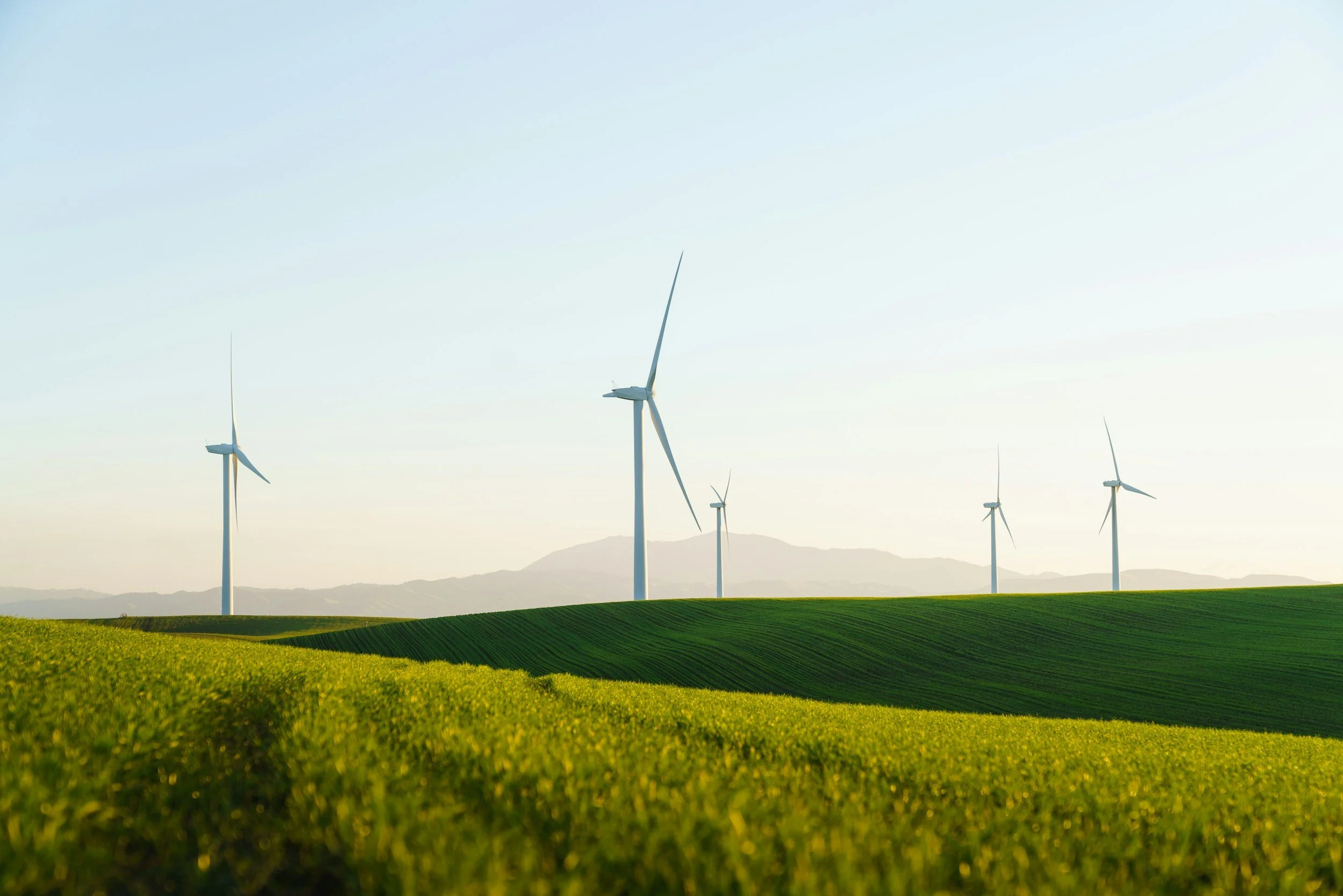
Zac Wolff/Unsplash
Summary
Renewable energy plays a central role in climate mitigation, energy independence and security. However, in most Central Asian countries fossil fuels continue to be the main source of energy production.
However, in upstream countries, hydropower plants have become the established energy sources that receive attention and support from both local and international stakeholders.
Central Asian turn to sustainable energy sources will not only help the region to fulfil its climate goals, but also contribute to its political independence.
Context
Dependency on fossil fuels reveals underlying vulnerabilities that are shared across Central Asian countries. The region stands at an energy crossroad, where traditional fossil fuel dependence collides with the reality of climate change, demographic expansion, and shifting geopolitical relationships.
Such Central Asian countries as Kazakhstan, Uzbekistan cover the electricity production needs by burning fossil fuels (gas and coal, respectively), whereas Kyrgyzstan and Tajikistan rely largely on hydropower (up to 93% of electricity needs). While these differences can be explained by different geographic landscapes, with Kyrgyzstan and Tajikistan profiting from the most important rivers of the region, Naryn and Amu-Darya, when it comes to heating, all of the countries show trends of using fossil fuels.
Burning fossil fuels not only puts the country in danger of not achieving climate goals, but also worsens the air quality (with certain regions reaching hazardous levels of 799 PM2.5), thus being responsible for 65000 premature deaths in Central Asia in 2021, and a sum of up to 5% of GDP in healthcare costs.
In 2025, renewables became the primary source of electricity in the world, accounting for over 50% of total production, and surpassed coal for the first time. This is tied not only to the contribution of countries in combating climate change, but is also due to increasing demands for energy affordability, as well as energy security and independence issues. With fossil fuels becoming a geopolitical leverage, more and more countries seek solutions that would allow them to cover their energy needs without relying on imports. For Central Asian countries, such renewable energy sources as wind and solar are gaining more attention in Kazakhstan and Uzbekistan, while Kyrgyzstan and Tajikistan focus on hydroelectric power.
Implications
Kazakhstan’s climate and geography highly favour different sustainable energy options, from solar energy in the south to wind turbines in the West near the Caspian Sea. The country has pledged to achieve 15% of energy from renewable resources by 2030 and has invested heavily in solar technology. Although it is a government-led project and is therefore quite attractive for investors, the country still lacks the needed infrastructure, most importantly in terms of grid integration. Current estimates demonstrate that renewable energy amounts to less than 6% of the entire country's demand. With Uzbekistan only planning on creating large solar panel projects in the long term, solar energy remains promising, but project implications will only be clearer in the distant future.
Hydroelectric power, however, is already an established renewable energy source in countries like Tajikistan, where it creates up to 94% of the required electricity. With new hydropower plant projects on the way, like the Rogun hydropower plant, Tajikistan can not only achieve full energy sufficiency but also become the main electricity exporter of the region. Nearly 90% of Kyrgyz electricity is also generated via hydropower plants, with many plants being renewed by the government, drawing the attention of international stakeholders such as the EU.
Although in some Central Asian countries, almost 90% of electricity is sourced sustainably, much of the infrastructure, including hydropower plants and energy grids, is outdated and requires as much attention as the pursuit of clean energy. Moreover, the region's cold winters and subsequent high energy demands force vulnerable economies to rely on fossil fuels for heating, which worsens the air quality. Balancing between sustainable development and fossil fuel dependence, Central Asian governments strive for structural change.
Forecast
Short-term (Now - 3 months)
The households will almost certainly continue using fossil fuels as a heating source, and have a very high impact in contributing to worse air quality and lung disease.
Medium-term (3-12 months)
With new projects being approved and funded by international and governmental organisations, it is a realistic possibility that structural change will become faster, however, the significant change will only be seen in the long term.
Finished hydropower projects will almost certainly highly impact stability and independence of energy sources in Central Asia.
An almost certain unfavourable detail, however, are the outdated energy grids that will highly impact the transition and integration.
Long-term (>1 year)
Governments in Central Asia are showing preparedness to work towards climate mitigation goals, despite being more constricted by financial hurdles and lack of expertise.
International development initiatives such as China’s “Belt Road Initiative” and EU’s “Global Gateway” show an interest of international actors towards the sustainable development of Central Asia
