
By Daniyar Egen | 2 February 2026
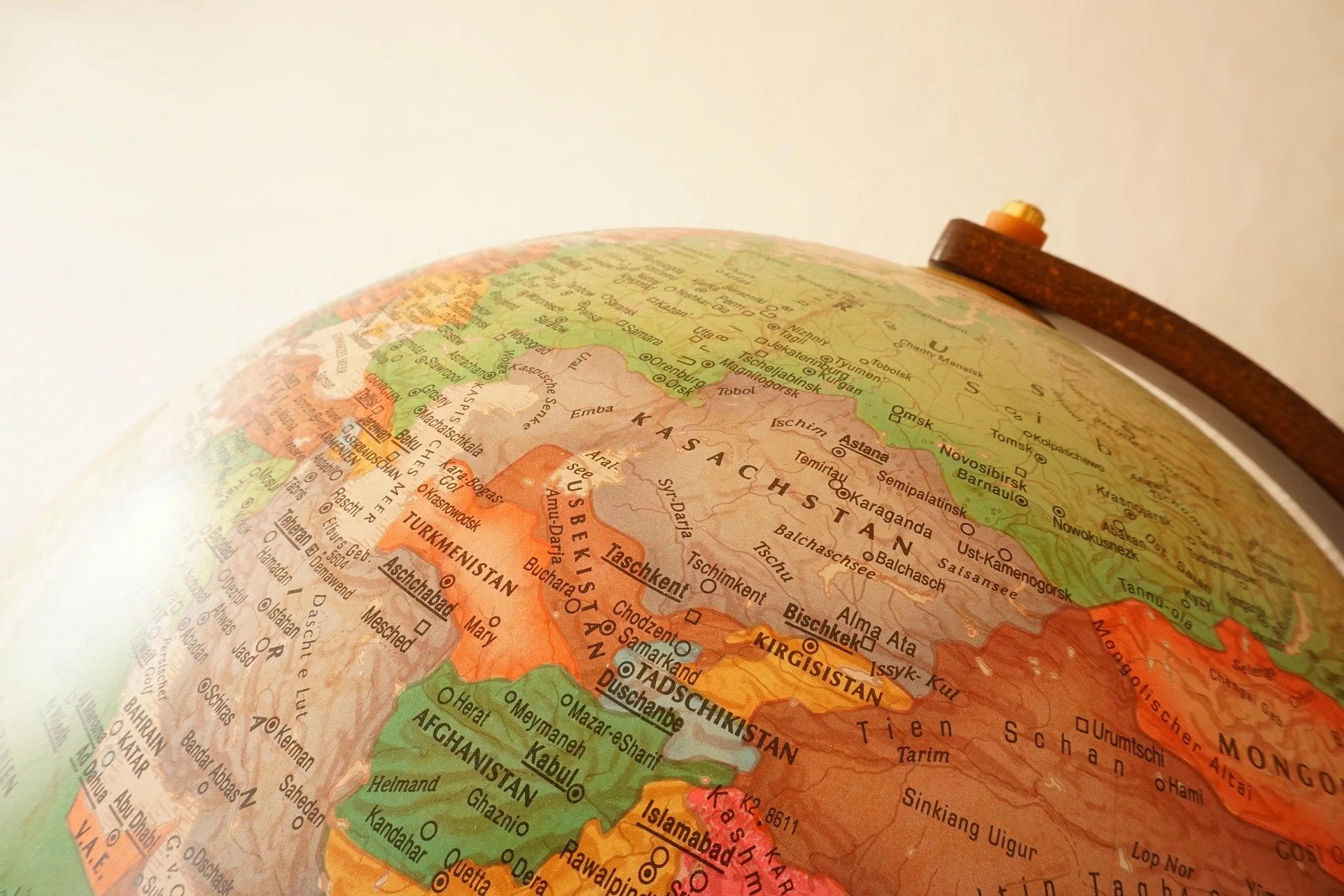
Rob Armbuster/Pixabay
Summary
Central Asia has been experiencing an overall GDP growth, growing by 6,6% in 2025, owing it to a rise in trade, eased geopolitical relations, robust domestic demand, international investment and remittances.
This has also been underpinned by several different political actors striking deals with Central Asian governments. These being the USA, the EU, Japan, China and Russia. In the changing geopolitical landscape, many countries try to diversify their supply chains of rare metals, given their strategic importance.
Increased international economic interests, alongside robust market growth, will have an impact on outdated energy grids that need to support their growing demands.
Context
After the fall of the Soviet Union, the republics of Central Asia appeared to have largely lost the shared energy grid system. Certain regions like Uzbekistan, Kyrgyzstan, and the south of Kazakhstan have retained the interconnected energy grid, with Tajikistan joining later in 2024. Despite this, countries still tend to develop their national energy strategies without considering the benefits of joint planning, such as granting the region more low-carbon energy sources, and improving security of the system, allowing to redirect energy to places currently experiencing shortages from places with a surplus in energy.
Amidst global instability, the interest of international powers is now drawn to Central Asia’s vast rare earth and metal resources, as they try to diversify their supply chains. In return, they pledge support in strengthening the democratic institutions in the region and investing in crucial fields, such as energy grids.
Thus, 2025 marked many firsts in diplomatic efforts to strengthen old relationships and form new ones. For example, it was the first time Central Asian leaders had visited Washington, D.C. within the framework of the “C5+1” summit, where Central Asian states had agreed to further strengthen their partnership, with Kazakhstan granting 70% of the development of one of its largest tungsten deposits to an American company. The EU has participated in three economic summits in 2025, striking deals on rare metals, while the European Bank for Reconstruction and Development has set an investment record, supporting sustainable infrastructure projects. An announcement of investment of over 19 billion dollars over the next five years from Tokyo marked renewed Japan’s interest in Central Asia. China reinforced their intentions of collaboration by conducting a summit in June 2025 as well as by organising personal visits from the Minister of Foreign Affairs in late November. Meanwhile, the statements made by the Russian president during the CSTO meeting in October suggested that Russia would increase its investment in the region, which is already estimated at around 20 billion USD.
The GDP growth of the region has thus been attributed to the economic situation being largely unperturbed by various political crises around the world and to the relative political stability of the region in recent years, albeit with lower indices of democracy and freedom of the press. To service the associated growing job market for a comparatively young population and keep a favourable reputation for the investors, the region needs to amplify the efforts in updating its energy grids, while balancing the political and business involvement of different actors.
Implications
Some countries have been investing in Central Asian infrastructure without considering a joint development of the energy grids. China and the Gulf states, for example, have invested massively into rebuilding and restructuring the energy grids of Central Asia, with Kazakhstan attracting 4.6$ bln dollars of Belt and Road Initiative investment, with a considerable part of it being invested in green energy. First Abu Dhabi Bank has, in turn, invested in Zarafshan’s Wind Power Project in Uzbekistan. This divided approach might lead the attention of regional governments towards projects that prioritise joint development. It was deemed beneficial for the entire region to consider connecting the energy infrastructure to ensure further development, sustainability, system resilience and independence. Thus, Azerbaijan, Kazakhstan and Uzbekistan have agreed to join forces (with the support of Asian Infrastructure Investment Bank, Asian Bank for Development and others ) in creating the Caspian Green Energy Corridor. This project will not only interconnect the participating countries but also facilitate infrastructure for further energy transmission and trade.
Forecast
Short-term (Now - 3 months)
Almost certainly, there will be very little impact on the development of an integrated Central Asian system; however, individual states such as Kyrgyzstan will be renovating the hydropower grids, and Uzbekistan and Kazakhstan will continue to develop green energy sources.
Central Asia also lacks political transparency and clear business regulation, making the region unattractive to investors, which has a large impact on further development.
Medium-term (3-12 months)
Very likely, there will be new summits and meetings which will emphasise new aspects of energy grid development (such as continuing efforts on uniting the network, updating the existing network), which will highly and positively impact ongoing electricity shortages and persisting power outage
Long-term (>1 year)
It is almost certain that profits into green energy will have promoted its use. An adjoining question of shared water-use between states will remain unresolved and likely negatively impact intergovernmental cooperation. It also remains uncertain how the Central Asian governments will balance out the competing powers.
